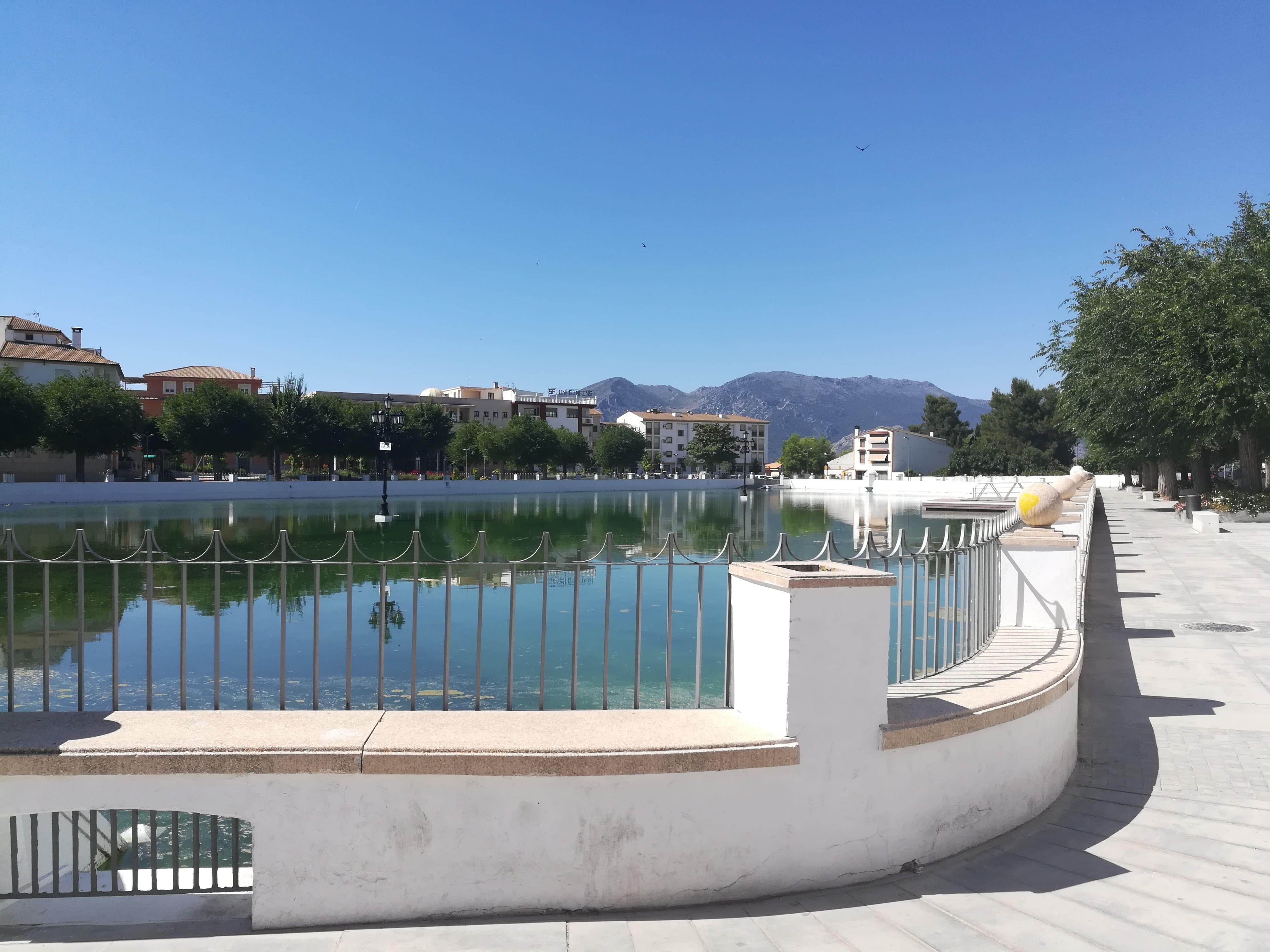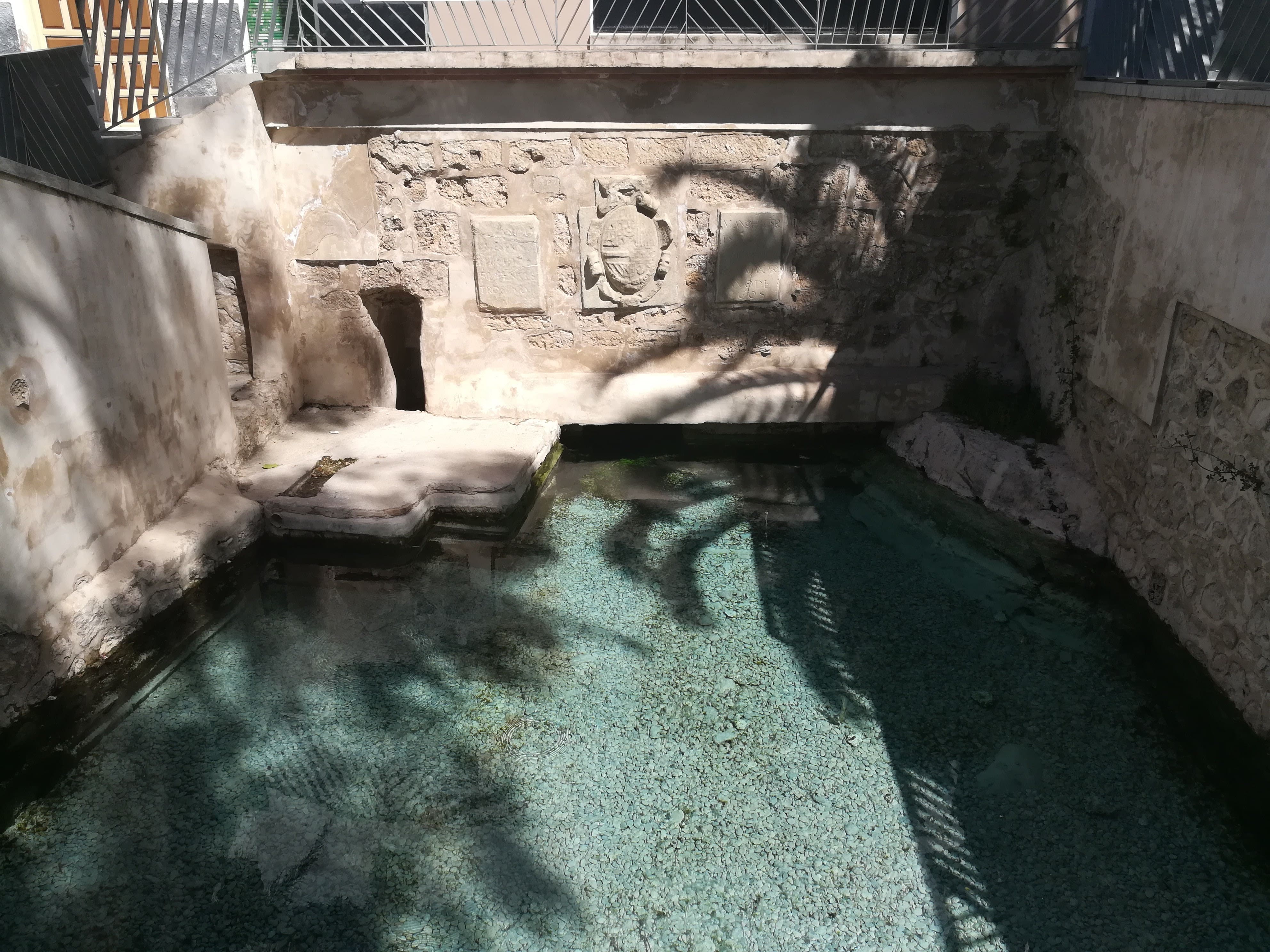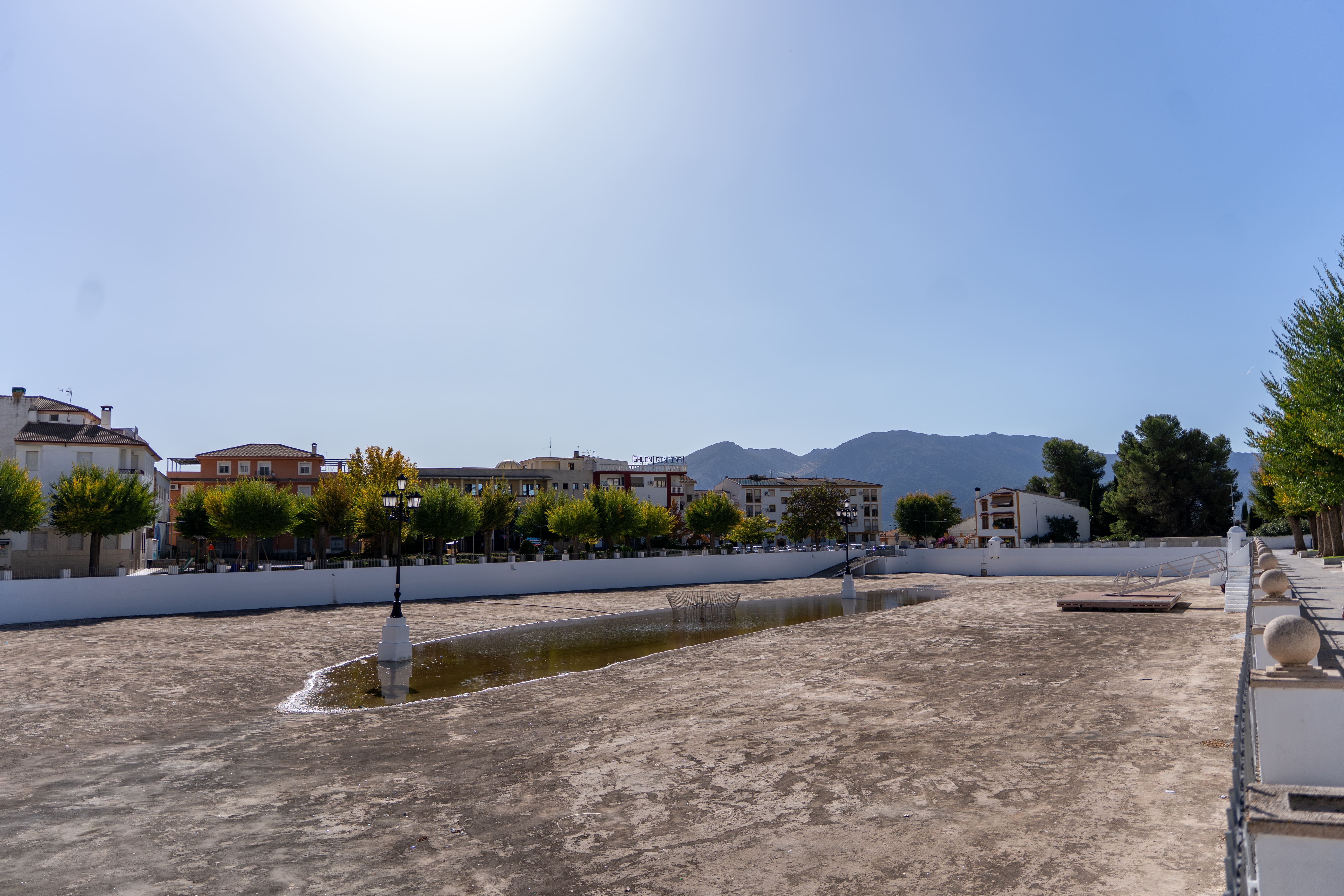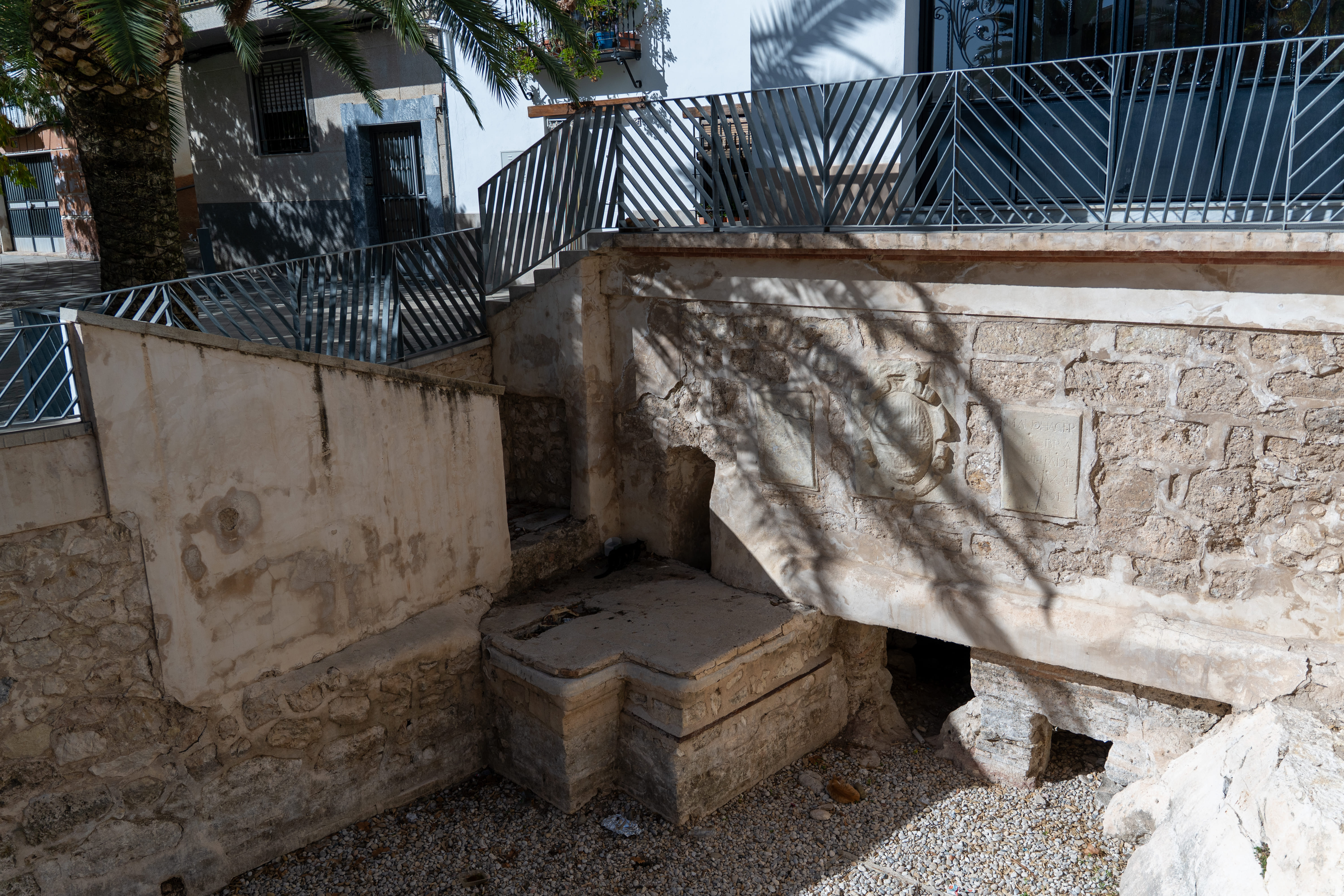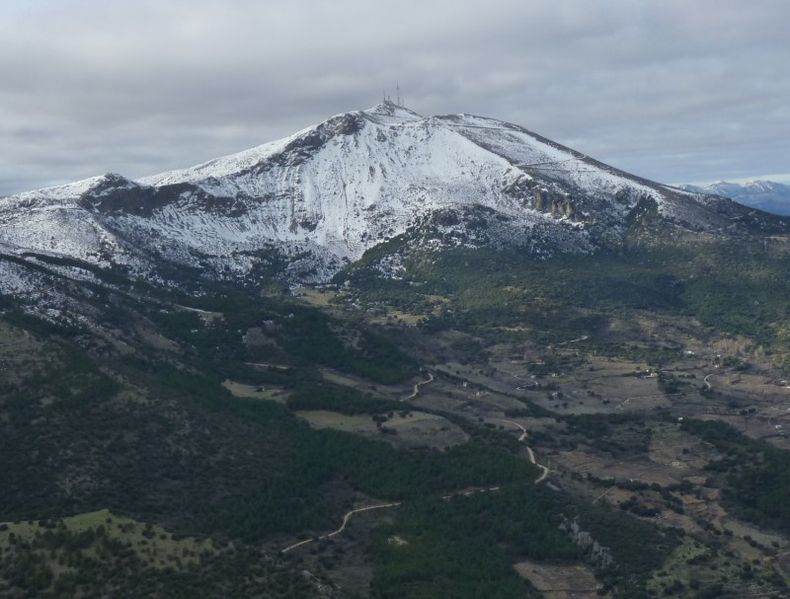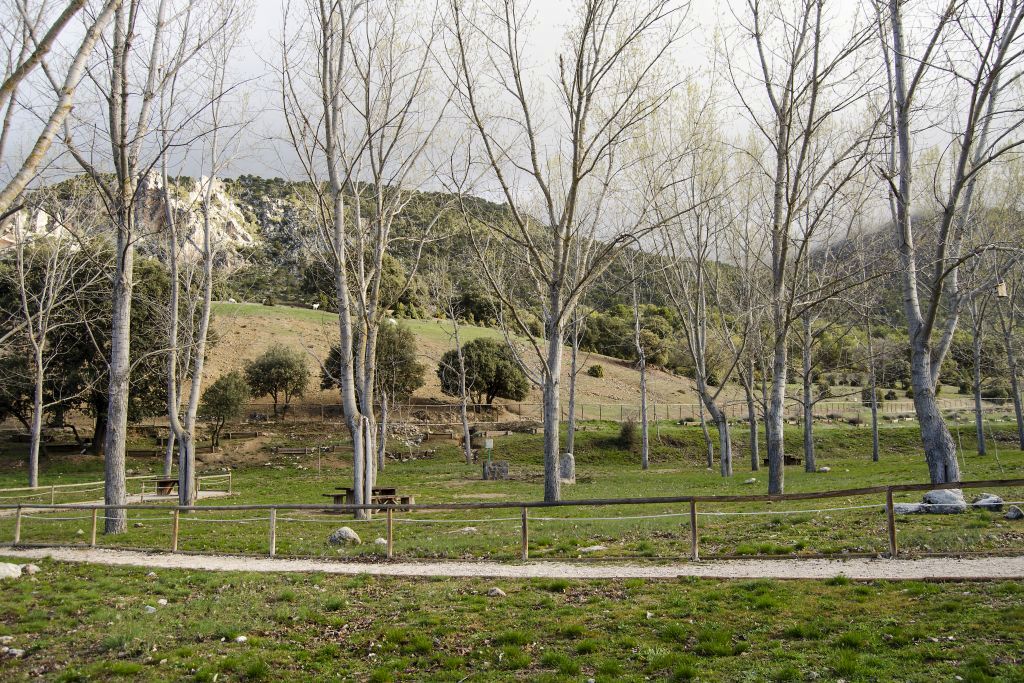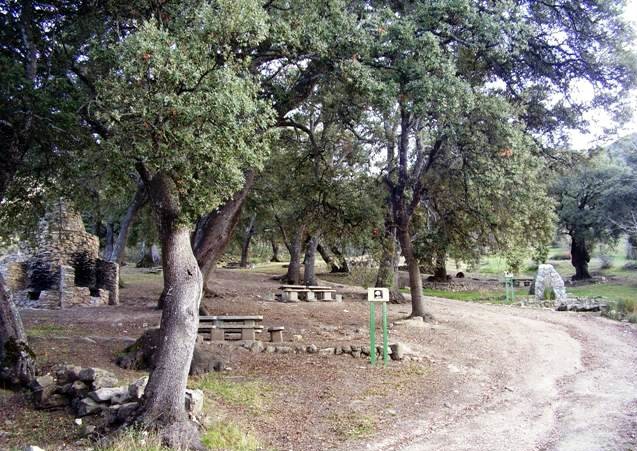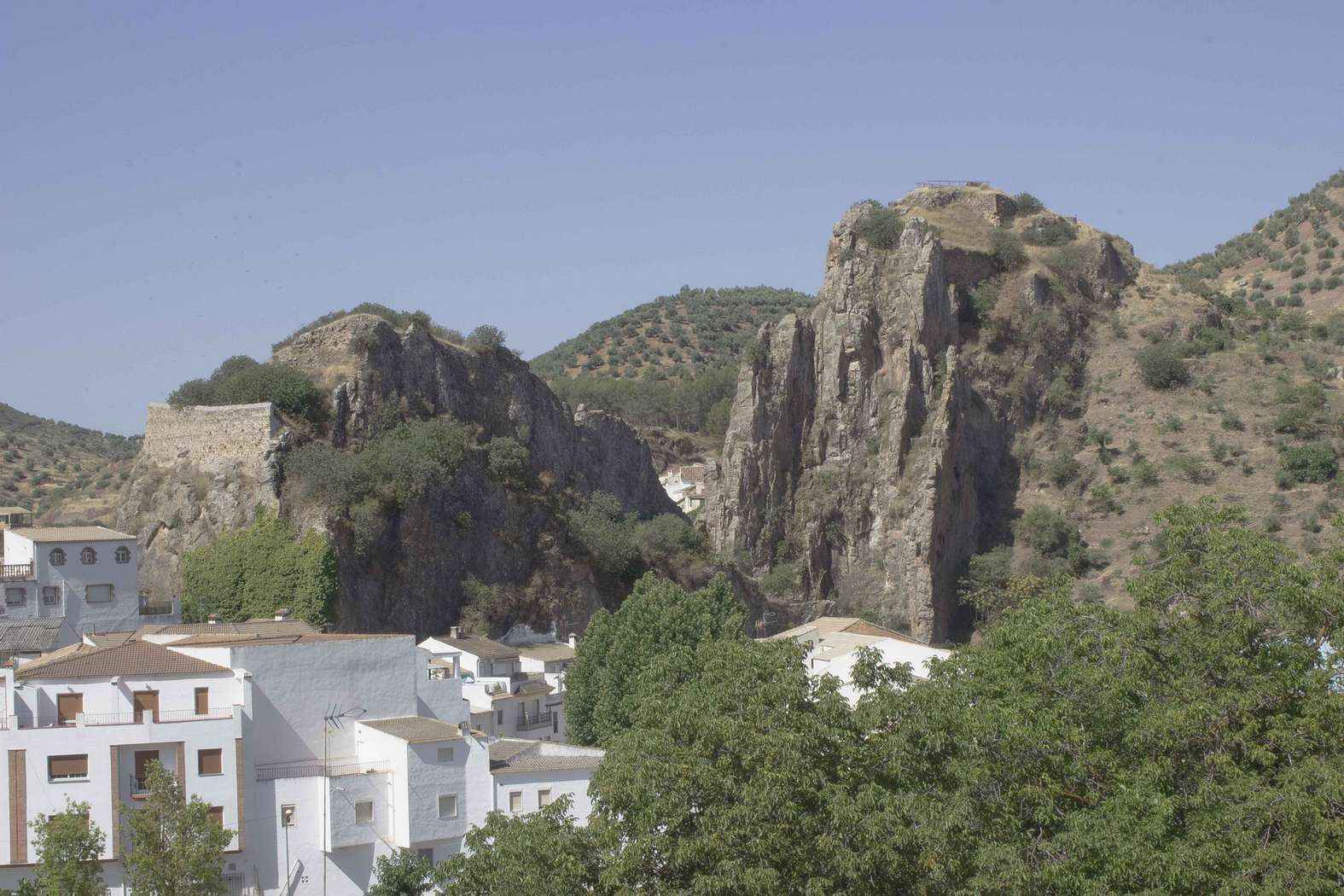


The irrigation system comprising the Fuente de la Reja, La Charca and the orchards of Pegalajar is one of the finest examples of traditional water engineering in the Sierra Mágina. This system, developed since medieval times, has for centuries made it possible to use water from a spring to irrigate the farmland situated to the south of the municipality.
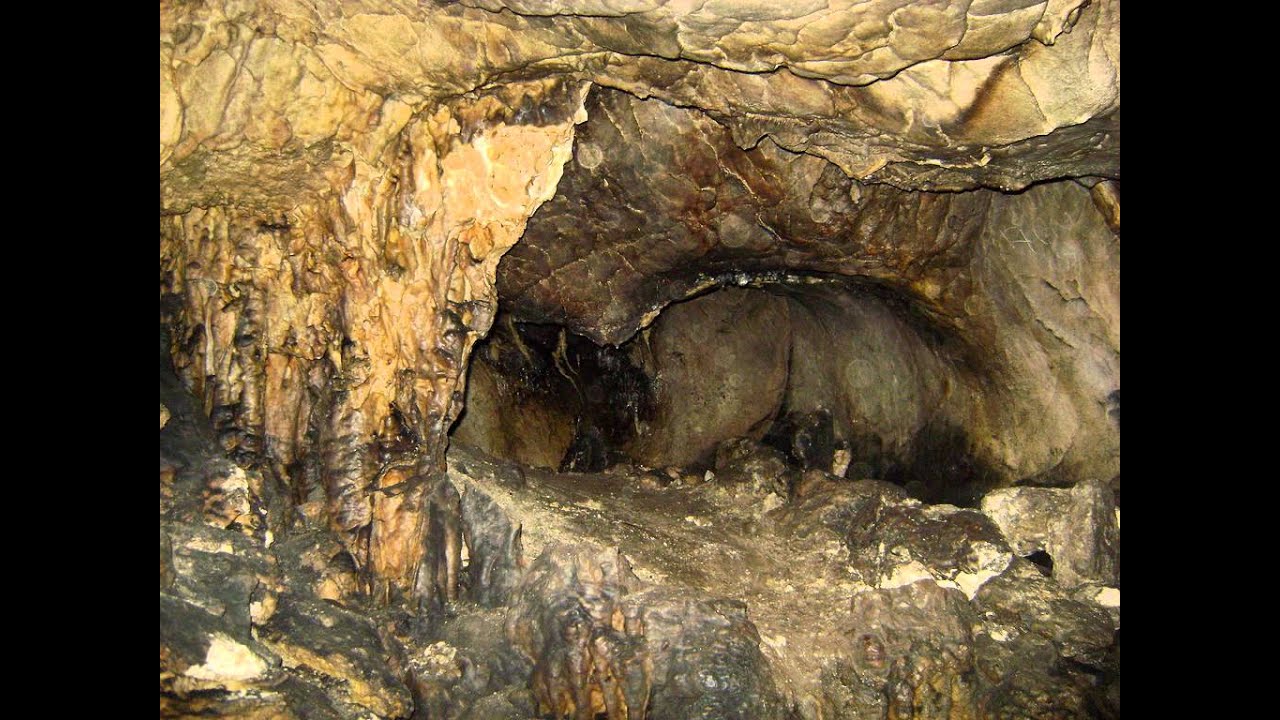
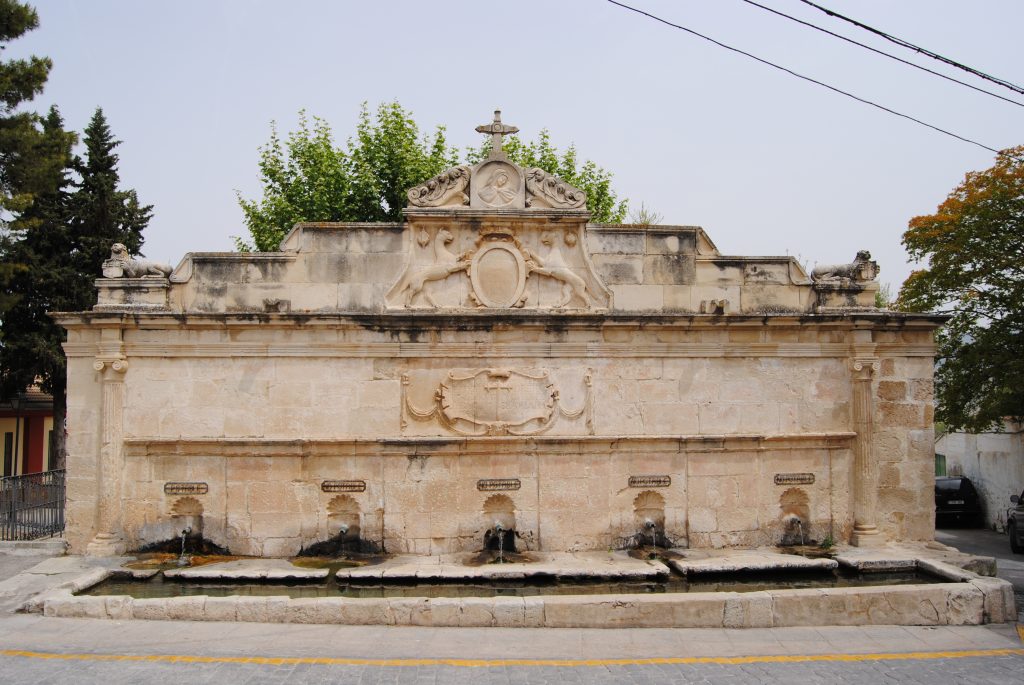
The system originates at the Fuente de la Reja, where the underground aquifer that feeds the entire hydraulic system comes to the surface. From this point, the water flows through irrigation channels to the traditional vegetable gardens. Local legend has it that a washerwoman found an image of the Virgin of Gracia at this spot, which led to the construction of a chapel in her honour above the spring itself.
The water from the spring is stored in La Charca, a historic reservoir that regulates its distribution. Originally, it was a simple dam with a stone retaining wall and sluice gates that allowed the flow of water to be controlled into an extensive network of irrigation channels. These channels, which stretch for kilometres, irrigate the terraced vegetable gardens and olive groves that slope down towards the Guadalbullón river valley.
Over time, this system has shaped the agricultural landscape of Pegalajar. However, the spring’s flow has never been sufficient to supply all the land, and during periods of drought, the flow from the spring decreases considerably.
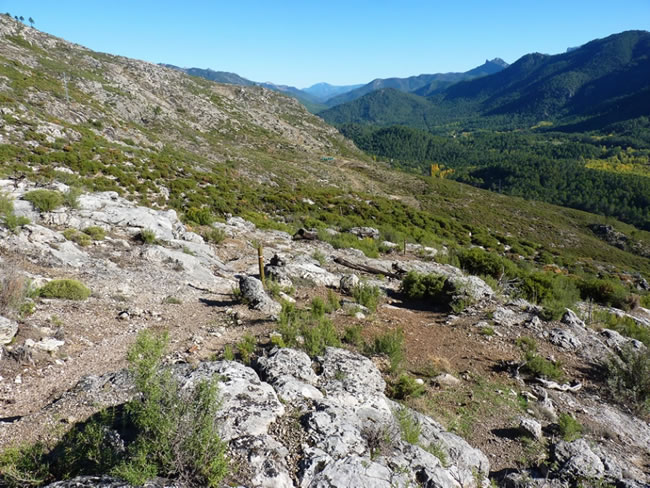
The Fuente de la Reja, La Charca and the vegetable gardens form a unique cultural landscape, where water, traditional agriculture and historical heritage combine to illustrate the close relationship between the community and its territory in the Sierra Mágina.