





New Carolinian Populations
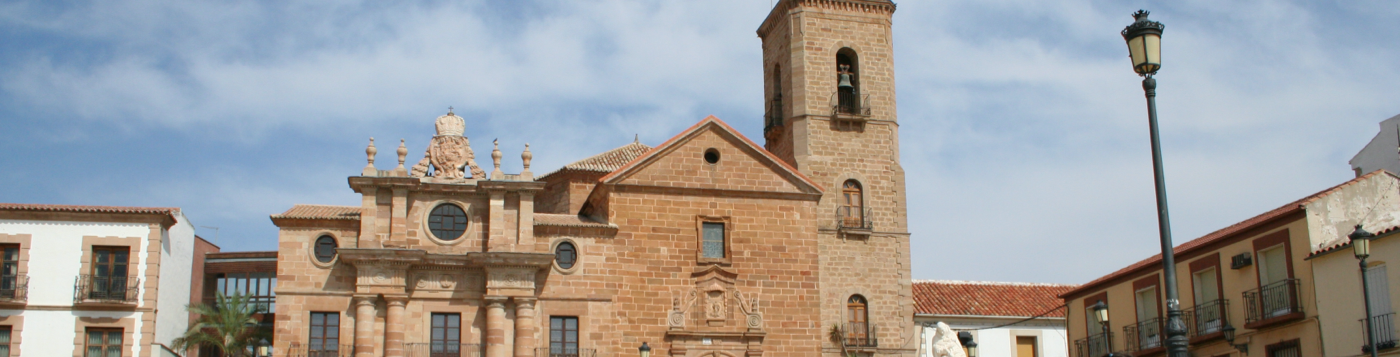
At the end of the 18th century, some 6,000 foreigners, mainly Germans and Flemish, came to populate the Sierra Morena. At the time, this was a barren territory, a breeding ground for banditry. The beginnings were not easy; they had to work hard clearing and ploughing the land and building towns and villages in this beautiful but also inhospitable territory. This surprising adaptation to a natural environment is what is covered on this route: Aldeaquemada, Arquillos, Carboneros, La Carolina, Guarromán, Montizón and Santa Elena. To travel through the area of the Nuevas Poblaciones is to look back 200 years to discover a project that was born under the protection of the new philosophy of the Enlightenment and its new ideas about the world, man and nature.
The colonisation of the Sierra Morena, which in the 18th century was set in motion by a handful of Enlightenment figures, led by King Carlos III and under the leadership of Pablo de Olavide, was one of the most far-reaching reform projects in Spain and Europe. This was a utopian project in the midst of the Age of Enlightenment, in which the aim was to set up a model rural society based on egalitarian nuclei and founded on the work of the land as the main source of wealth.
It was a great urbanising enterprise that contemplated the creation of forty-four villages and eleven towns in the wastelands of La Parrilla and Sierra Morena. The aim was both to populate and cultivate semi-desert areas and to make the Cadiz-Madrid route safer for travellers and goods.
The capital of the New Towns was La Carolina, which has an orderly urban layout that has earned it the appellation of Urbanistic Jewel of Andalusia.
DIFFICULTY. ASSESSMENT ACCORDING TO METHOD MEASURE
0
MEDIO.
Severity of the natural environment
0
Itinerary
Orientation in the itinerary
0
Displacement
Difficulty moving
0
EFFORT.
Amount of effort required
MUNICIPAL TERMS BY WHICH IT RUNS
Aldeaquemada Arquillos Carboneros La Carolina Guarromán Montizón Santa Elena El CondadoFollow us #JaénParaísoInterior


