Holly and Lauroid Forests de alta montaña
Unique Landscapes, Natural Park, Forests and Wildlife
Siles

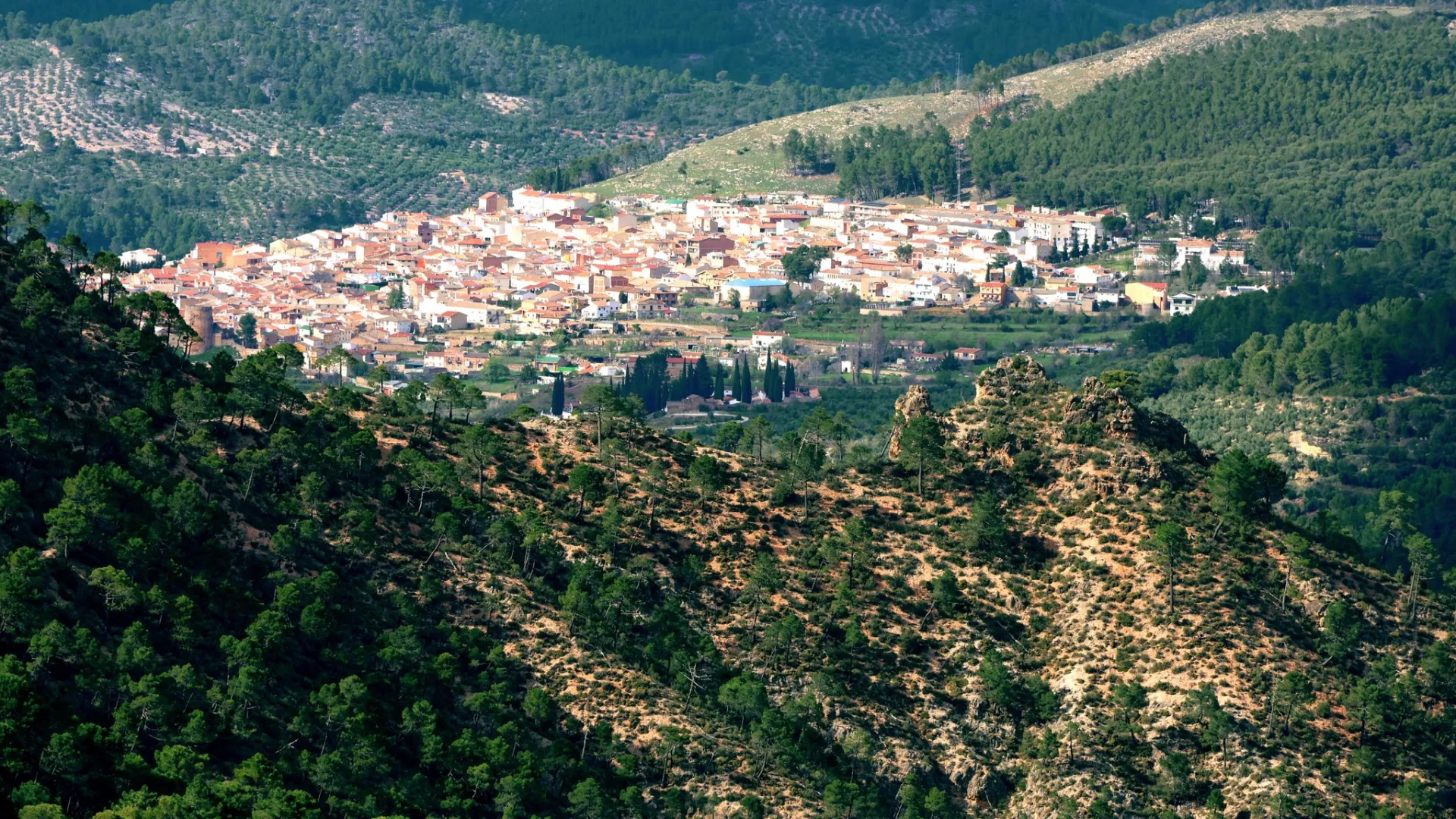
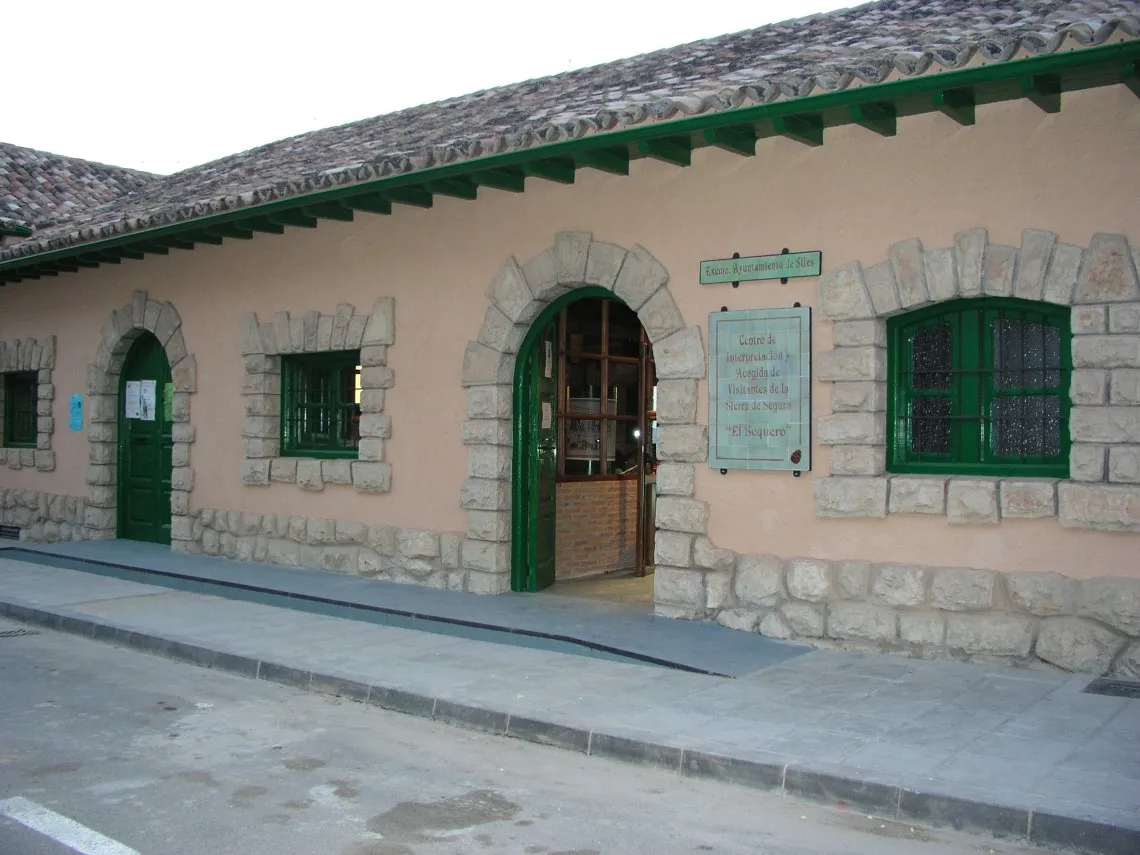



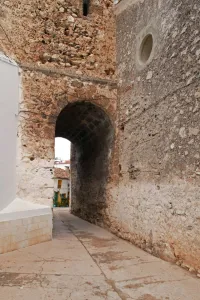

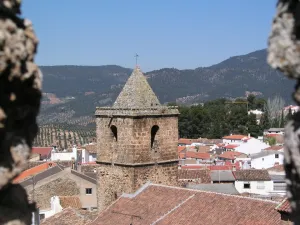
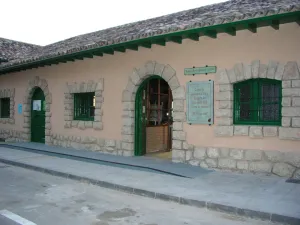
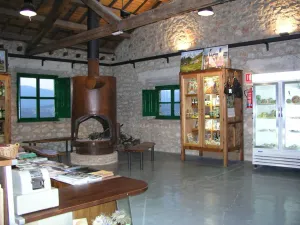
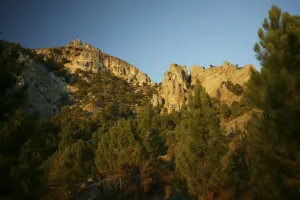
Siles, a municipality belonging to the region of La Sierra de Segura, located in the north-east of the province of Jaén bordering that of Albacete. Much of its municipal term is found within the Sierra de Cazorla Natural Park, Segura and Las Villas. It is a largely forestry municipality where the agricultural land is occupied by the olive tree.
The economic activity is based on olive cultivation and tourismand also contributing to the Forest and sheep farming.
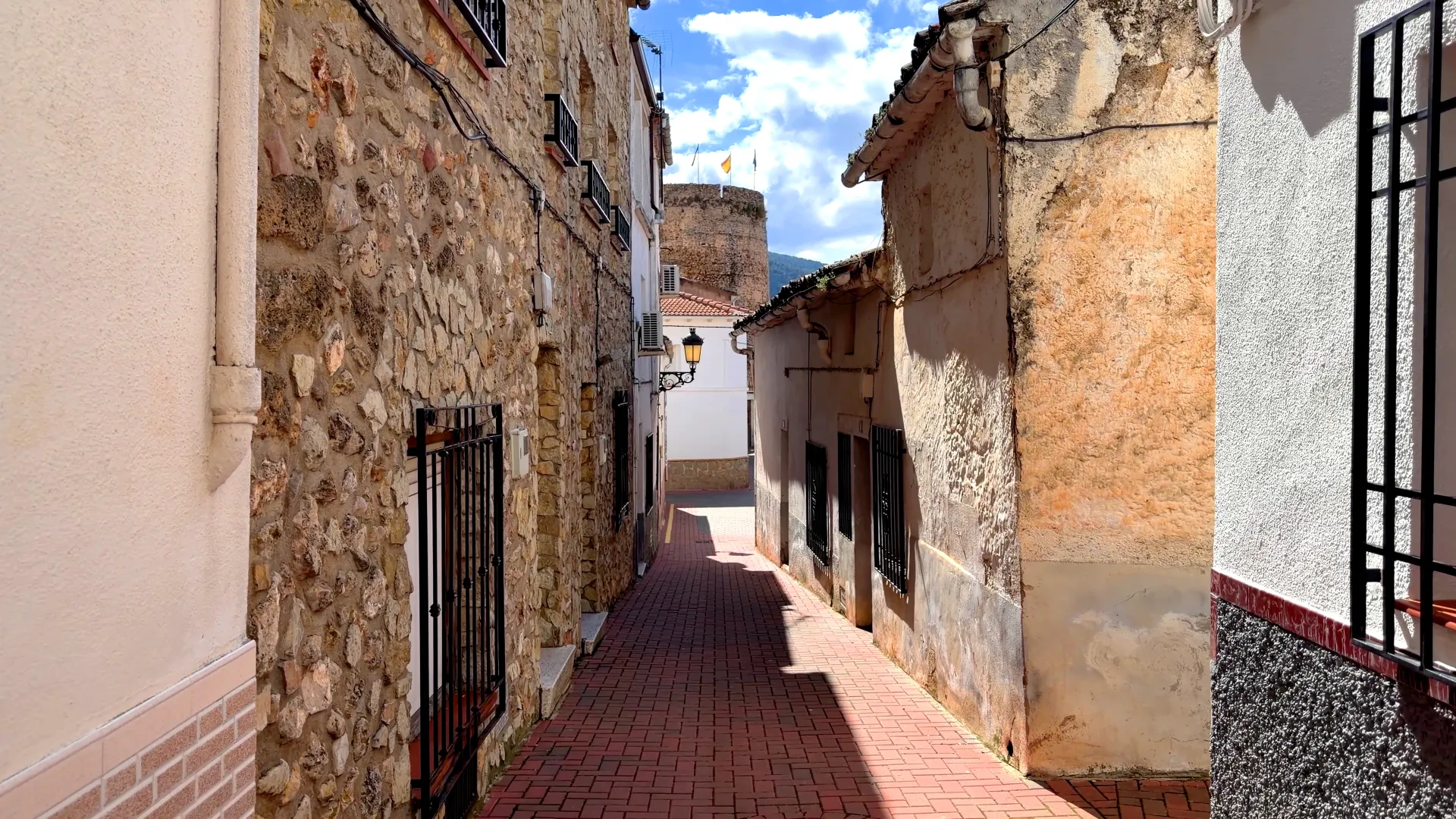
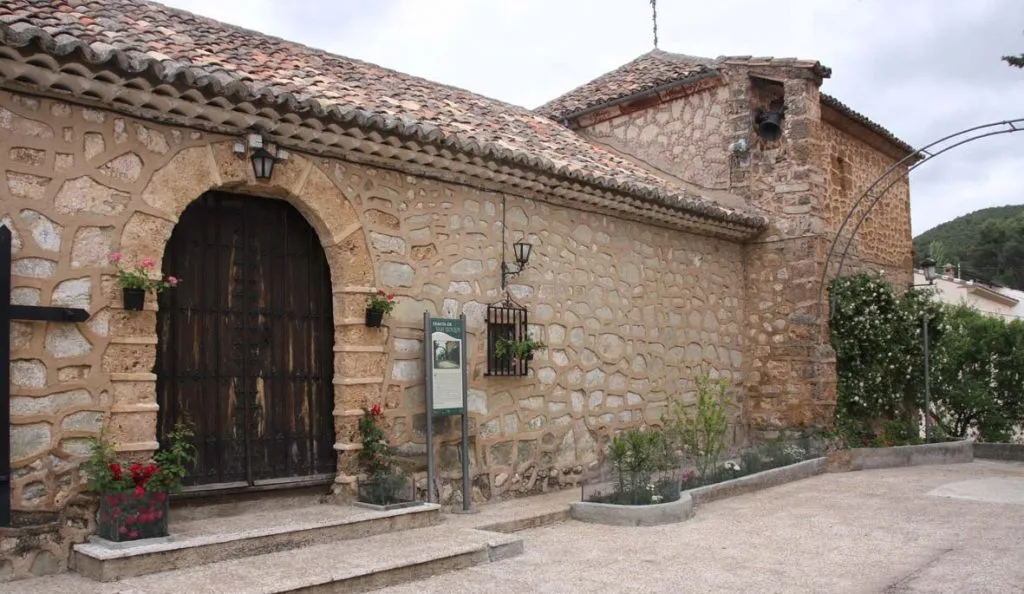
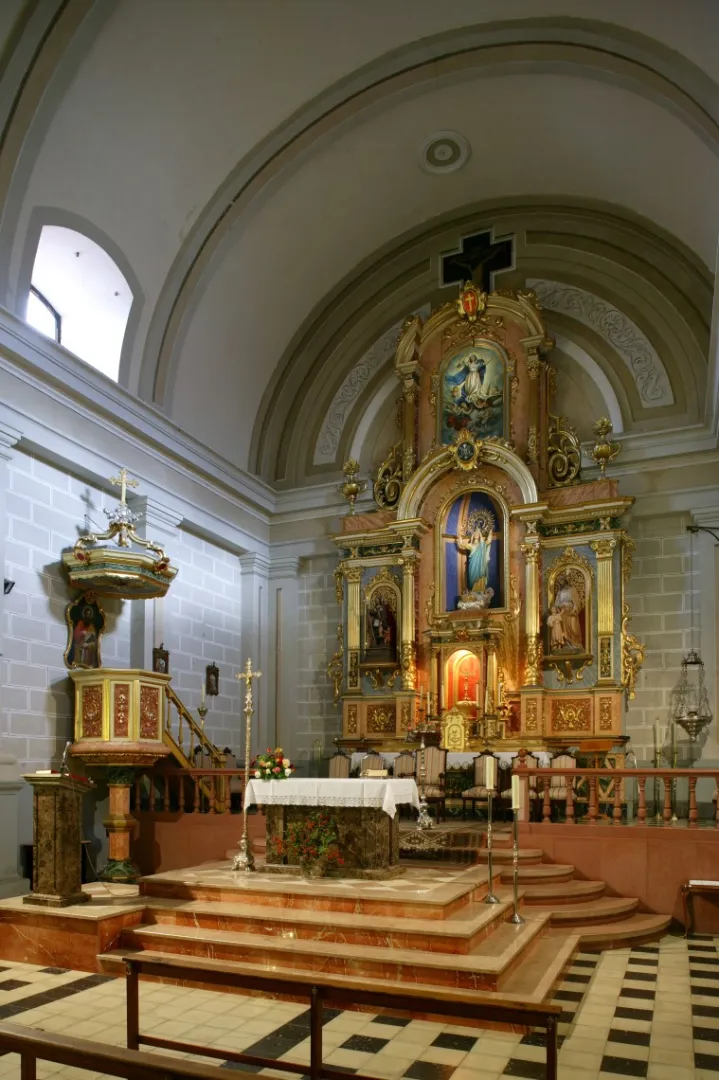
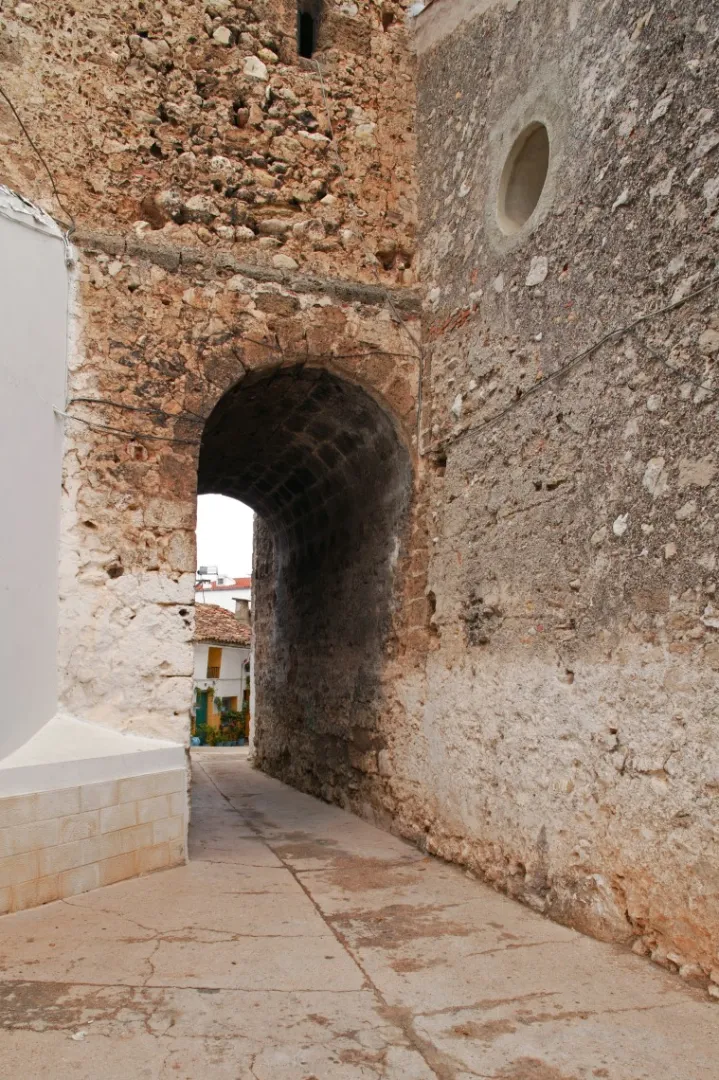
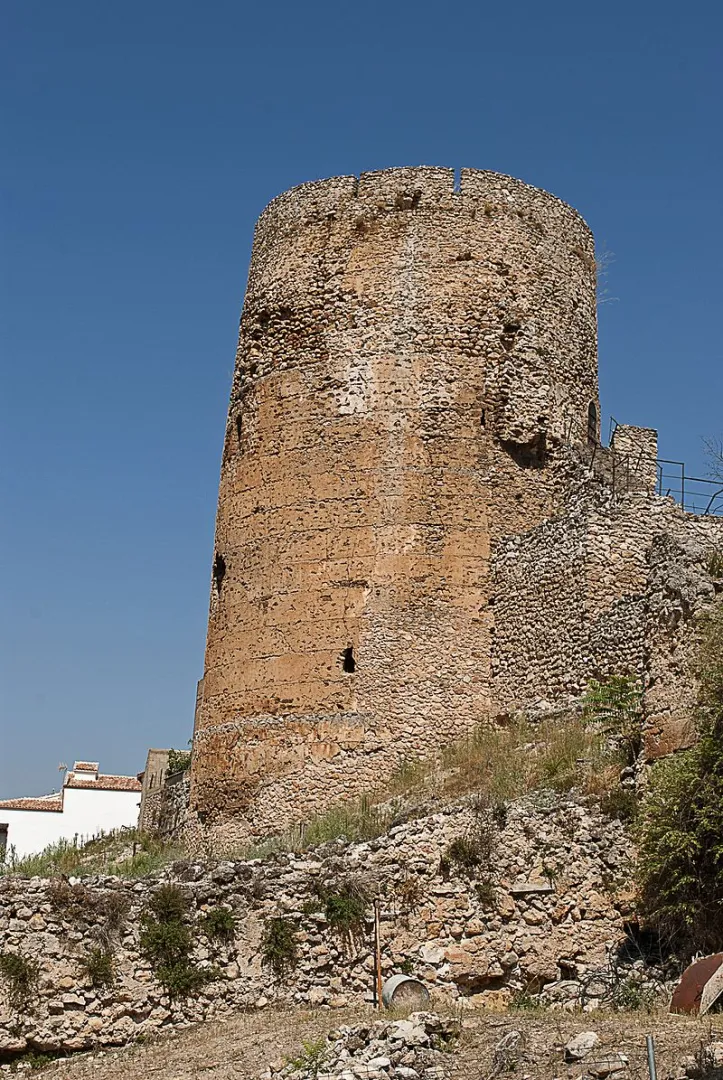
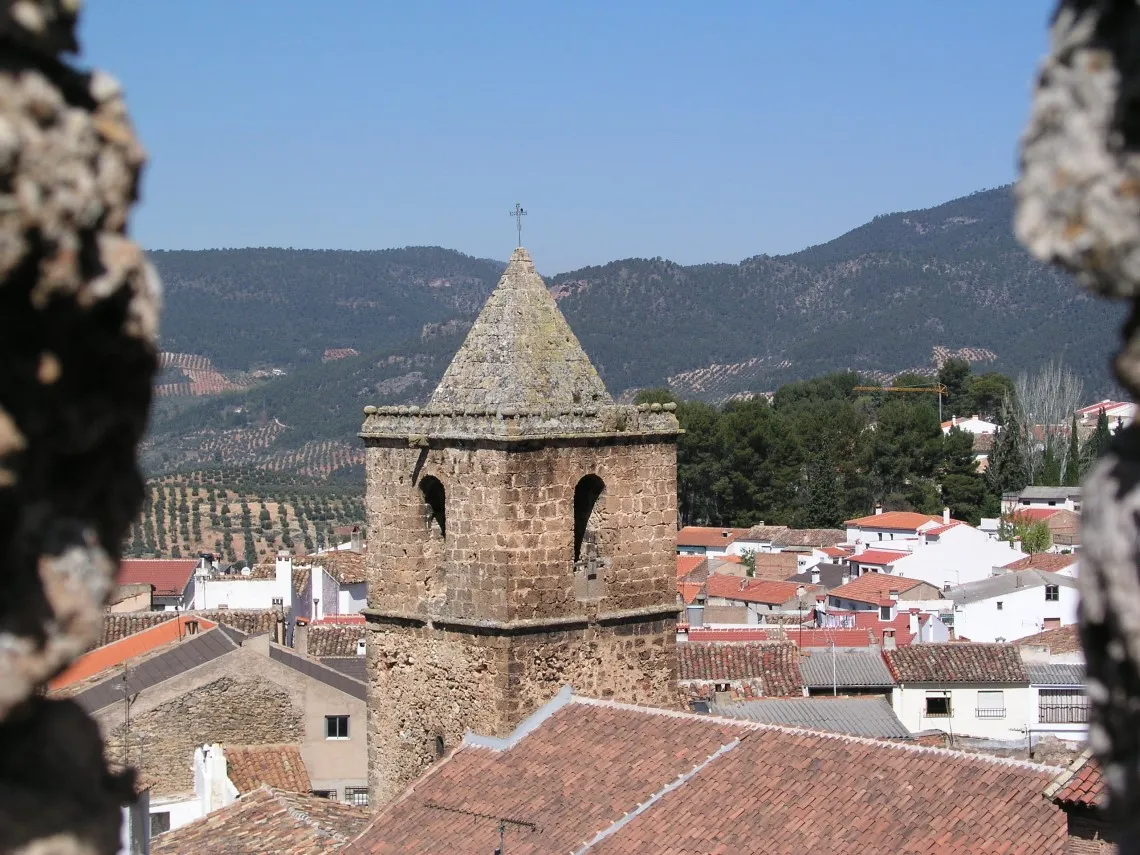
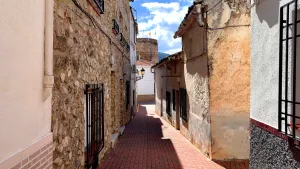
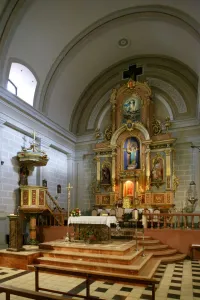
Siles is a peculiar town of paved streets, located on a valley surrounded by raging hills and lush vegetation. Among its historical heritage we highlight: The Cube, the Parish Church of Our Lady of the Assumption, the Casa Tercia and the Hermitage of San Roque
The urban centres of Cañada del Señor, Don Marcos and Vega de Castrobayona are part of this municipality.
In its surroundings is the Peña del Olivar, the Fresnedilla and the Acebas.
Is part of


The entrance door of the Sierra de Cazorla Natural Park, Segura and Las Villas from Levante. This municipality is a forest-growing mountain territory, with a minimum part of its area dedicated to cultivation, the olive tree being the predominant crop.
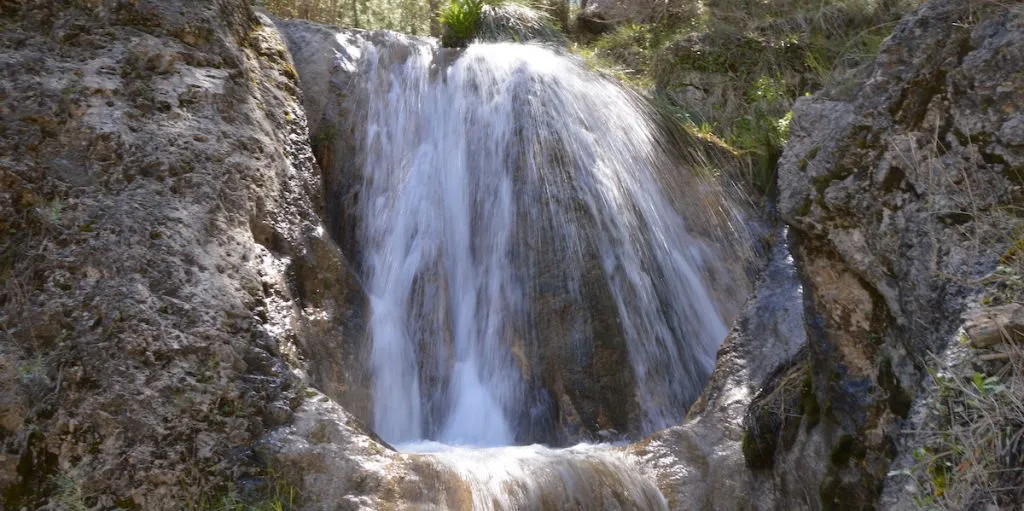
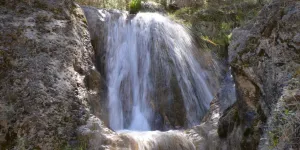
Here we find natural places like the ravine of the Tejosor Laguna from Siles.
They are many their viewpoints natural above 1,500 m of altitude. Among the activities that can be practiced in the term of Siles is spelology, climbing, hiking or free flight.
It also offers us recreational areas, highlighting La Peña del Olivarwhere we can visit the botanical garden to contemplate some of the most outstanding species in the Sierra de Segura.
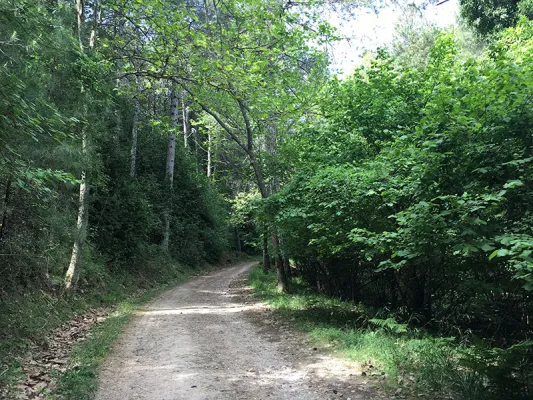
The area of high mountain is populated by salgarean or larice pine, sabinas, maples, acebos and thorns; the valley areas, welcomes the engraving in addition to the black pine and in the intermediate area The dense pine trees and pastures abound. Next to the rivers and banks of the swamps develop the gallery forests: chopos, birches, willows... that put a color note in the landscape with the passage of the seasons, especially during the fall.
The fauna It is also very varied, in forests are often observed large mammals like the boar, the muflon, the deer, the gamo and the goat, small mammals like the liron, the otter, the jineta and the common squirrel. Among the reptiles is the Valverde lizard, exclusive of the area, and among the fish is the common trout.
Special mention deserves some natural sites such as:
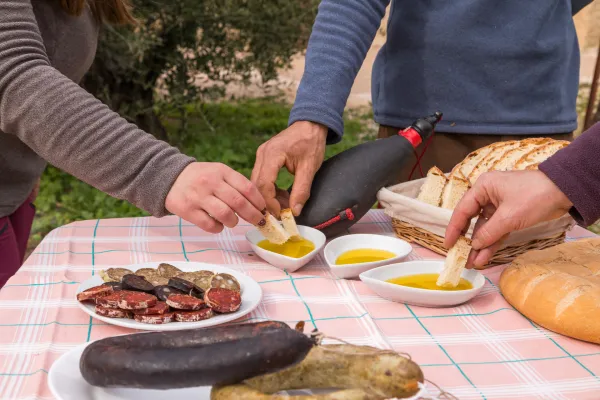
In Siles we find a very varied gastronomy and related to that of the region to which it belongs. Let's quote some of your dishes.
Warehouse:
Drinks, fried rosses, panets, pestiños, flowers....
Drinks.:
Because of its geographical location, Siles has been the place of establishment of various populations, from the prehistoric time when caves were used, to Iberian and Roman, but the true origin of the history of Siles is in the Middle Ages.
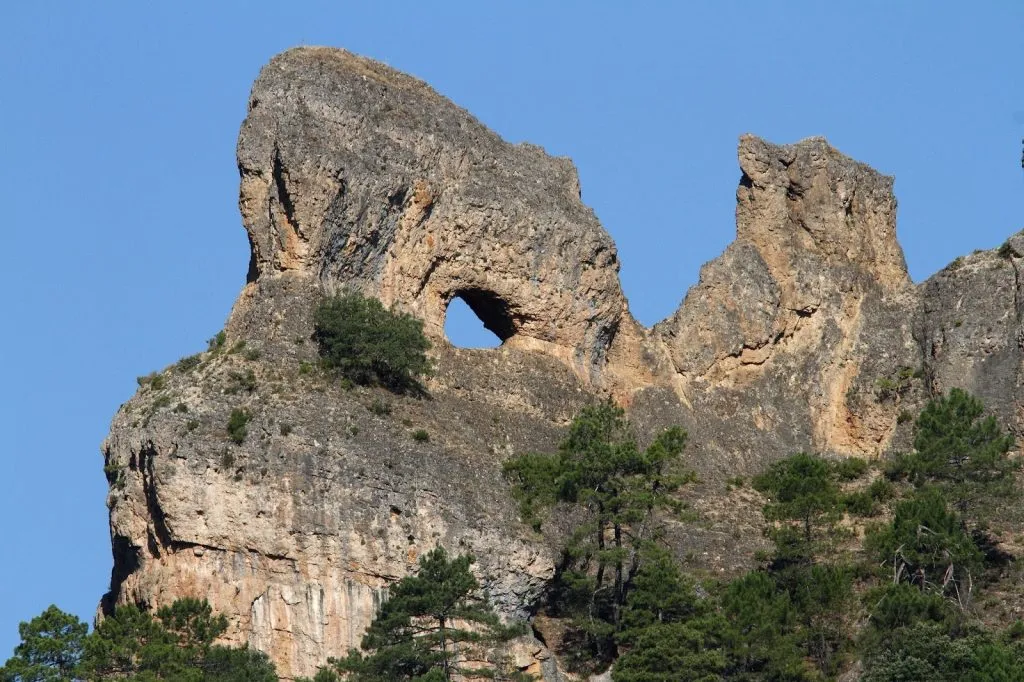
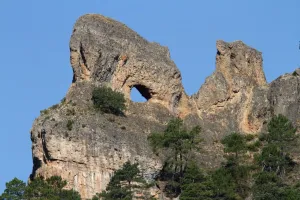
In the time of Al Andalus, it was a prosperous population, named in the chronicles as Silis. It had a castle - fortress that was one of the most important defensive bulwarks in the control of the lifting roads. It had in its term other fortresses, Peñafleita, Tasca and the fortified population of La Peña Horadada, necessary for its strategic position. It has been the scene of multiple struggles, when Abderran III began the pacification of Eastern Andalusia.
Siles was conquered to the Muslims around 1230, by Christian militias and Fernando III donates this territory to the knights of the Order of Santiago becoming part of the extensive rule of it, based in Sierra insurance and that it was its mission to defend the border between the Kingdom of Granada and that of Murcia.
In 1397 he was granted the Title of Villa because he had expanded his defensive fence with the construction of walls and three torreons. It also had a main fortress, which in turn had two other towers and among them was the housewhere the sanctiaguists collected the tithes of bread and where Don Rodrigo Manrique lived for a long time until his death.
In the mid-19th century, the fortress was still standing. Siles was divided into two, the old part called the Villa, within the walls, which kept their almenas and three doors and the urban town outside, which was called New Population.
In the last 30 years, the population of this municipality has experienced a significant decline, leaving in some villages and only some families, when they are not uninhabited or dedicated to tourist or agricultural purposes.
15
20
4
4