

Holy Week in the province of Jaén 2026
The Holy Week in the province of Jaén is a way of living tradition that combines devotion, art, music and heritage in unique scenarios: historical helmets, monumental squares, narrow streets illuminated by cirios and, at the bottom, the profile of castles, cathedrals and the "sea of olive trees."
But, in addition to the great references, Jaén keeps details that make it different. Unique rites, popular performances, music with own personality and customs that are only understood when living on the street.
The Linar Head Bands
Keys to plan your visit
- Every people lives it their way
In Jaén there is no single way to live Holy Week. Each municipality has its own identity: unique cofradies, characteristic tours, a particular aesthetic and especially expected moments. In some places, the celebration is distinguished by its sobriety and reconsideration; in others, by a more popular and participatory nature. In all cases, however, there is a deep roots in local tradition.
- Music is a protagonist
Holy Week in Jaén is not only contemplated, it is also heard. The music bands, along with the corneas and drums, mark the pace of each procession and wrap the streets in a unique atmosphere. In addition, the saets, which break in with strength and emotion, are able to completely transform the environment and turn any corner into an unforgettable moment of the Jiennese tradition.
- Respect and coexistence
The Holy Week in Jaén is a manifestation of great cultural and, for many people, also deeply religious value. To enjoy it in an adequate and respectful manner, some recommendations should be taken into account:
- Maintain silence when indicated or when the environment itself requires.
- Respect the participants' space, as well as the organization and its indications.
- Avoid being on the path of the steps or blocking access and exits.
- If photographs or videos are made, try not to interfere or cause discomfort.
Living heritage and unique traditions
The province combines the most classic formats with unique expressions that bring a differential value to its Holy Week. Here are some examples worth having on the radar:
The Steps of Valdepeñas de Jaén (South Sierra)
On March 25, 2026, Valdepeñas de Jaén will restage one of its oldest traditions: Los Pasos, a popular representation of a historical-religious character that is part of the intangible cultural heritage of the municipality. This is a collective setting in which neighbors recreate different episodes of the Passion of Christ through dialogues, recitations and dramatic scenes transmitted from generation to generation.
This tradition stands out for its own language, its theatrical structure and community participation, which make it a particularly unique manifestation within Holy Week in the South Sierra. It is also represented in public spaces of the municipality and maintains a very strong link with local identity and the conservation of traditional expressive forms.
The Miserere of Hilarion Slava in the Cathedral of Baeza
The Miserere de Hilarión Slava is a summit work of the Baezan Holy Week and is traditionally interpreted every Holy Tuesday in the Holy Church Cathedral of the Nativity of Our Lady. This composition of the 19th century, interpreted by the Symphony Orchestra City of Baeza and the Baezana Coral, has become a cultural and religious emblem, and one of those moments that explain why Holy Week is also lived from music.
The Linar Head Bands
In Linares, one of the most recognizable features is the Bandas de Cabecera, groups that open the process parades and interpret their own and popular marches. There are six main ones for their antiquity and style: Rescue, Holy Supper, Expiration, Nazarene, Seven Words and Holy Burial. A feature that brings sound and aesthetic personality to the English Holy Week and makes it a very different experience for those who visit it.
The Unlocking in Baths of Encine
The Unlocking in Baños de la Encina is a particularly emotional act of Good Friday. During this moment the figure of the Nazarene is unfolded and the nails and the crown are given to the Virgin of the Dolores. A tradition marked by solemnity, in a municipality with an exceptional historical environment, which concentrates much of the symbolic intensity of these dates.
Lent Gastronomy
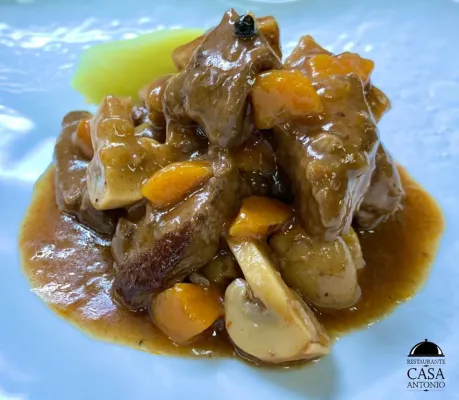
a Easter also tastes. It is the perfect time to look for traditional dishes and sweets in bars and local workers. You can try the vigil potages with legumes and cod or traditional sweets such as pestiños, roscos or calves. In addition, AOVE is present at the table as an essential part of the jiennese gastronomic identity.
The most traditional dates
In addition to the unique features that make it different from the Jewish Holy Week, there are destinations that function as great references for their trajectory, their heritage and the intensity with which the celebration is lived. If this is your first time in the province, these municipalities are a safe bet to start with.
Jaén
The capital is transformed during these days into a stage of faith, art and emotion, with a Holy Week declared National Tourist Interest. The incense, music and respectful silence accompany the cofradies on each tour, creating very special prints in the historical centre.
One of the most expected moments comes in the morning of Good Friday, with the departure of Our Father Jesus Nazarene, "El Abuelo," one of the most emblematic devotions of Andalusia and a quote that marks the one who lives it for the first time.
Ubeda
Ubeda changes completely at Easter. Its historic Renaissance, World Heritage, becomes the natural framework of the process parades, where respect, silence and expectation are felt in each corner.
The involvement of the city is one of its signs of identity: the visitor perceives that Holy Week here is not only an event, but a tradition deeply integrated into daily life and collective pride.
Alcalá la Real
Alcalá la Real lives its Holy Week as a journey of tradition and emotion, with processions that go through the historical centre between drums, incense and moments of recollection. The heritage value of the municipality brings a plus to the experience, with the Fortaleza de la Mota as an exceptional backdrop for a celebration that combines spirituality, beauty and authenticity.
What cities and municipalities can you enjoy Holy Week in?
You can enjoy Holy Week in almost the entire province, but if you look for references to start planning, you can consider destinations such as:Jaén capital,Ubeda,Baeza,Alcalá la Real,MartosorTorreperogylamong many others.
To see the dates, events and updated agenda of Easter 2026 in the province, you can visit theJaén Inner Paradise agenda.
Publication date: 20/05/2021