
The Iberians
The Iberians
The historical period of the Iron Age is identified as Iberian Culture, that is, a stage located between the 7th and 1st century BC. In ethnic terms the population that characterized Iberian Culture is the same as the Neolithic occupied the Andalusian territory, so it must be ruled out that the Iberian peoples came with their already configured culture from Africa or Asia, as it has at some point been written. However, there are great differences between the different phases that characterized the development of Iberian Culture, which is normal for a period of seven centuries of history.
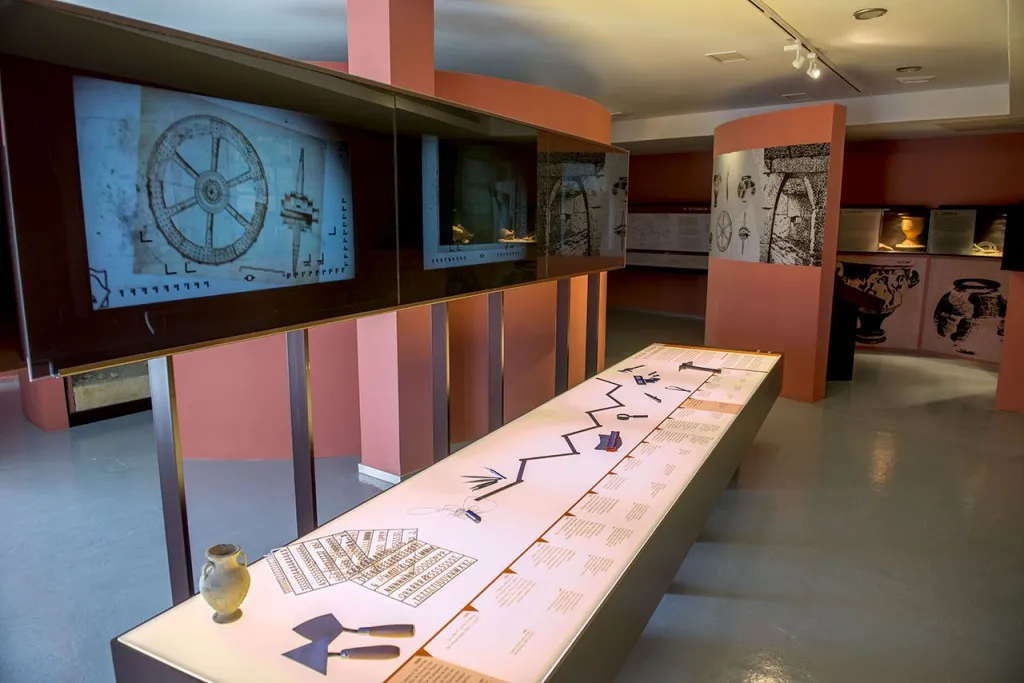
The Iberians, from a technological and economic point of view, produced the agricultural instruments and the iron weapons, made ceramic around, and gave a strong boost to the cereal agriculture by incorporating the rotary mill. They also developed arboriculture (almond, vine, olive and fruit) as a new agricultural strategy.
Learn more about the Iberians
The Ibera Society
Imagine waking up in an Iberian village in the middle of the Iron Age, between the 7th century and the 1st century BC. Each person has a role: who cultivates the earth, who defends the settlement, who dominates the art of metal or who transmits ancestral rituals. The Iberian society was deeply connected to the group, the lineage and the territory.
Those Iberians were characterized by the production of agricultural instruments and iron weapons and made ceramic in bulls. This civilization developed the arboriculture in its settlements in the territory that now forms the province of Jaén: the almond, the vine, the olive tree and the fruit trees.
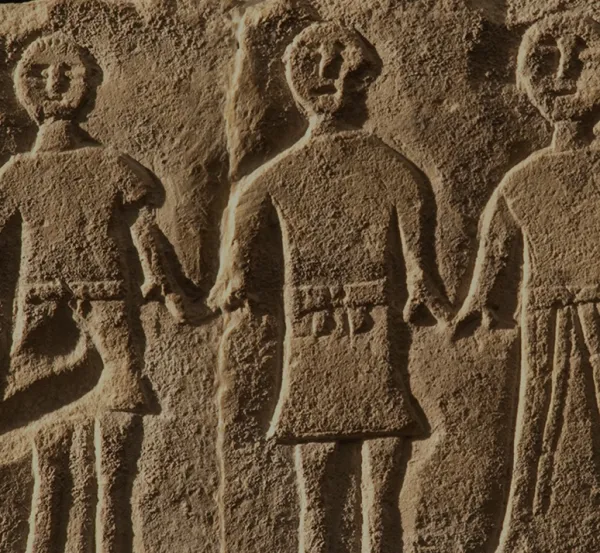
From a social and political point of view it was an aristocratic society, which was already being managed from the beginning of the Bronze Age; a society based on extensive lineage, that is, a group of kinship united by common ancestors. However, in order to expand their power, the aristocrats needed to increase the number of members of the lineage, which they did by developing the clientele relationships for which many families were integrated into the lineage without having any parental relationship with him.
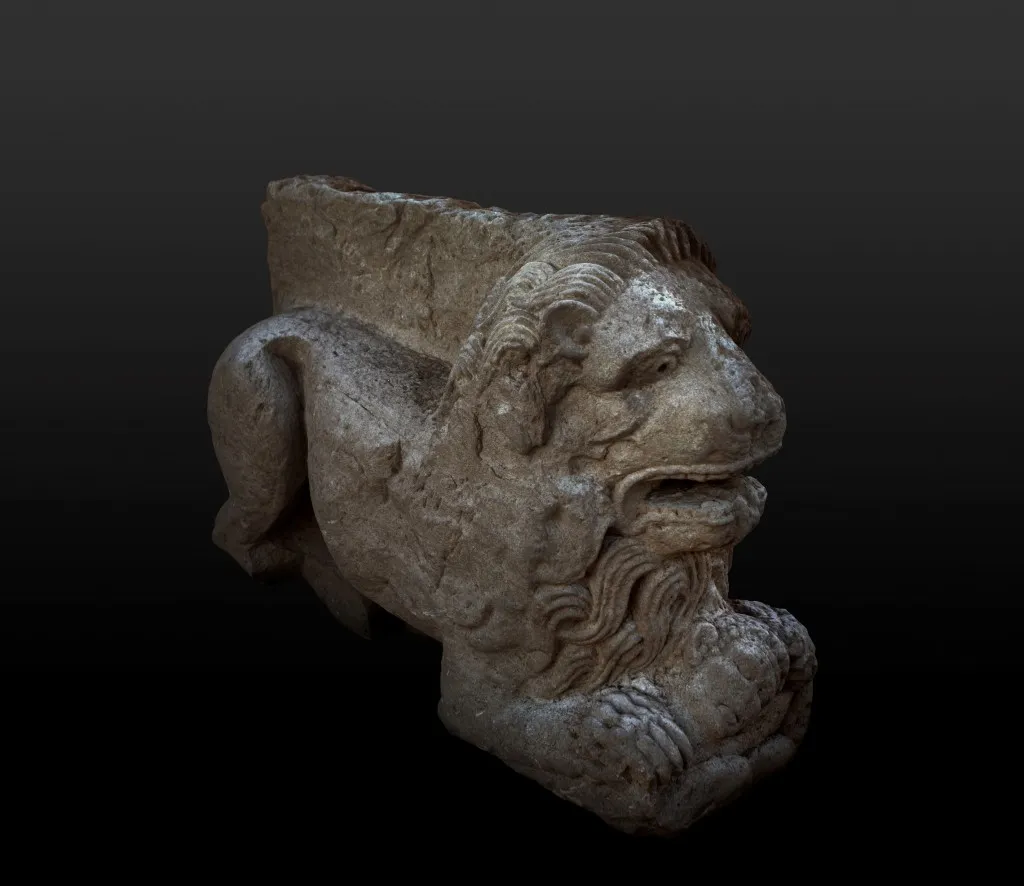
The princes, especially in the 4th century BC, gave a great development to the workshops of sculpture as shown by the appearance of the extraordinary sets of sculptures of Cerrillo Blanco in Porcra and the Cerro del Pajarillo in Huelma.
Where did they live?
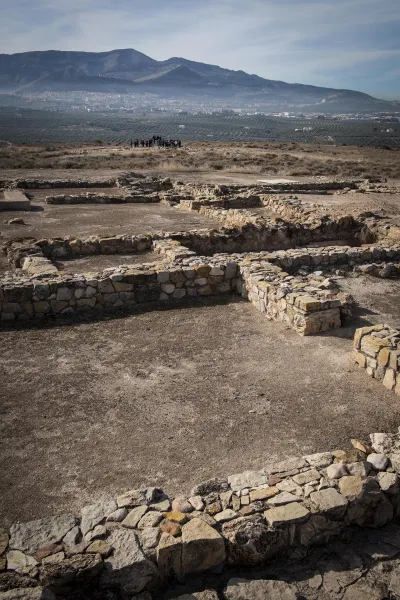
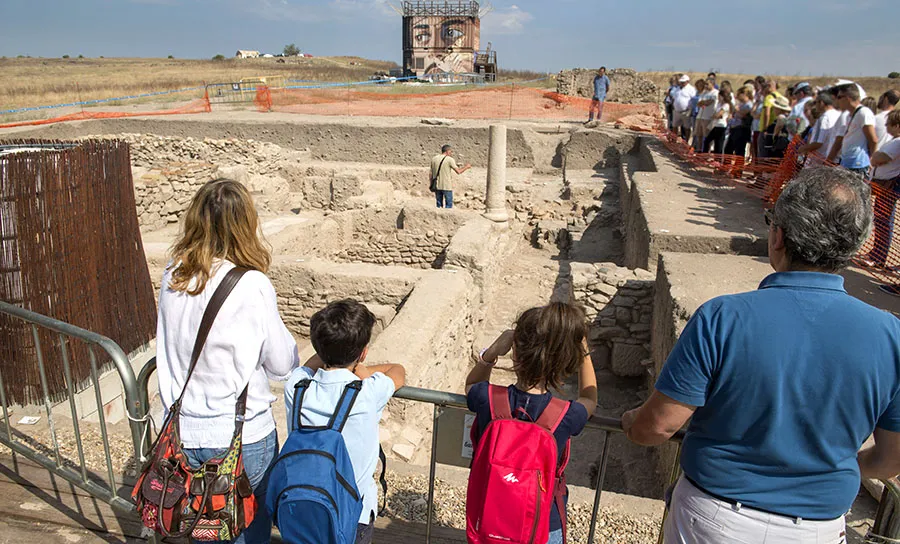
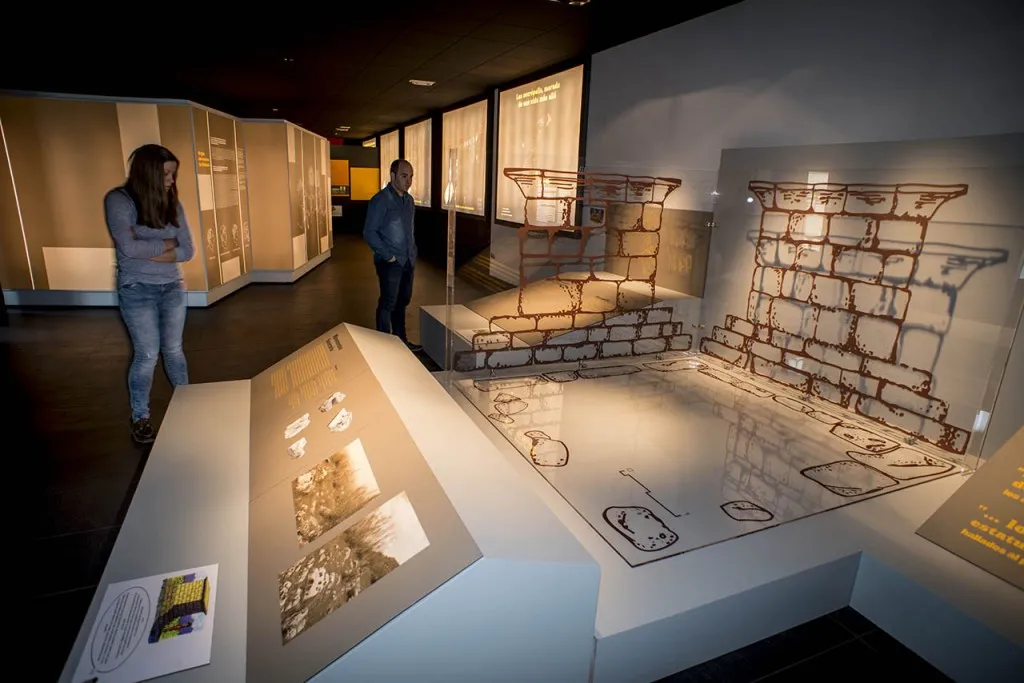
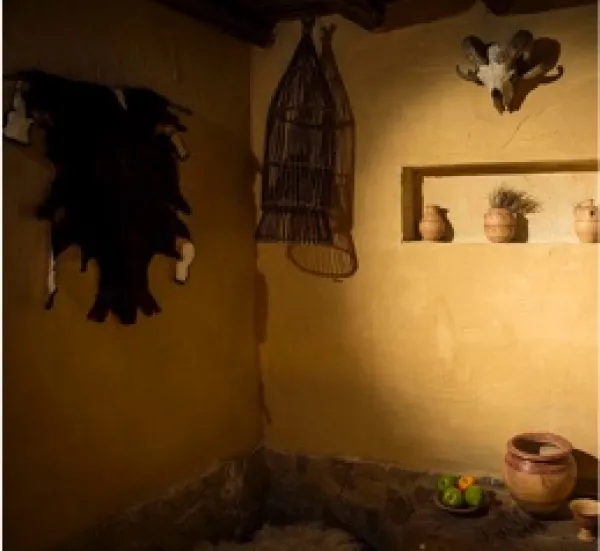
The Ibera culture was urban because the identity of the group was determined from the place of residence of the lineage:the choice;large or small urban centres (depending on the power of the lineage) that showed the aristocratic power with impressive fortifications. In the interior, urban tracks were designed with parallel and perpendicular streets and houses ordered in apples and raised with stone socket, adobe and tapial walls and covered with mud and cane because they did not know the tile. One of the best known cities in Jaén is theoppidumfrom Puente Tablas.
The Beyond and Their Beliefs
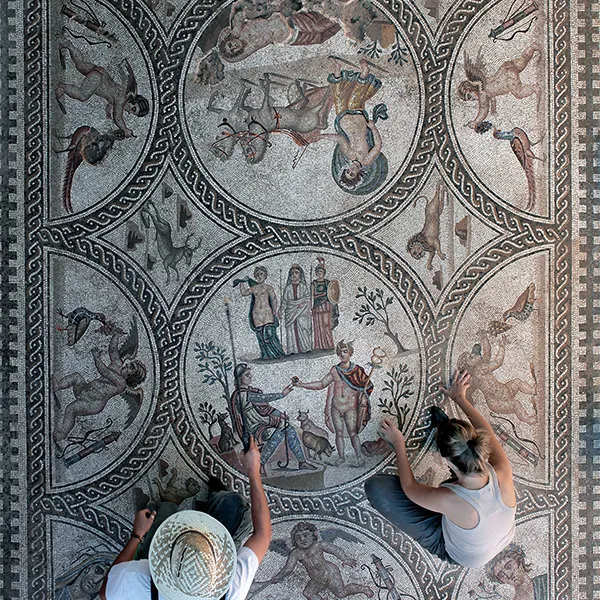
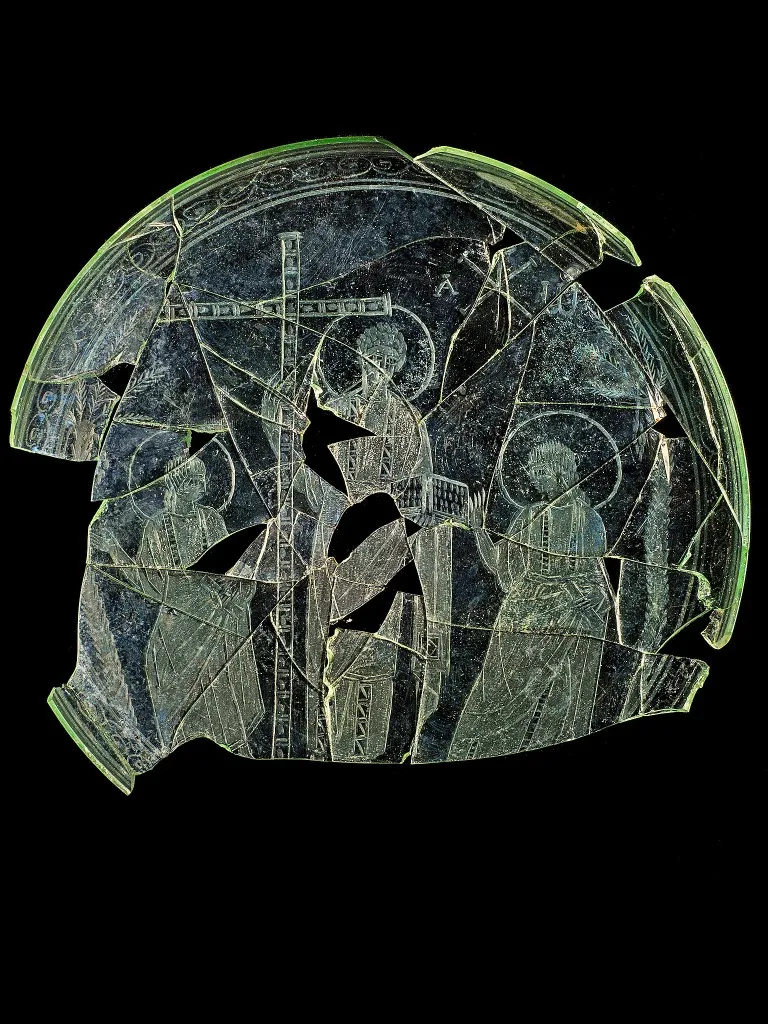
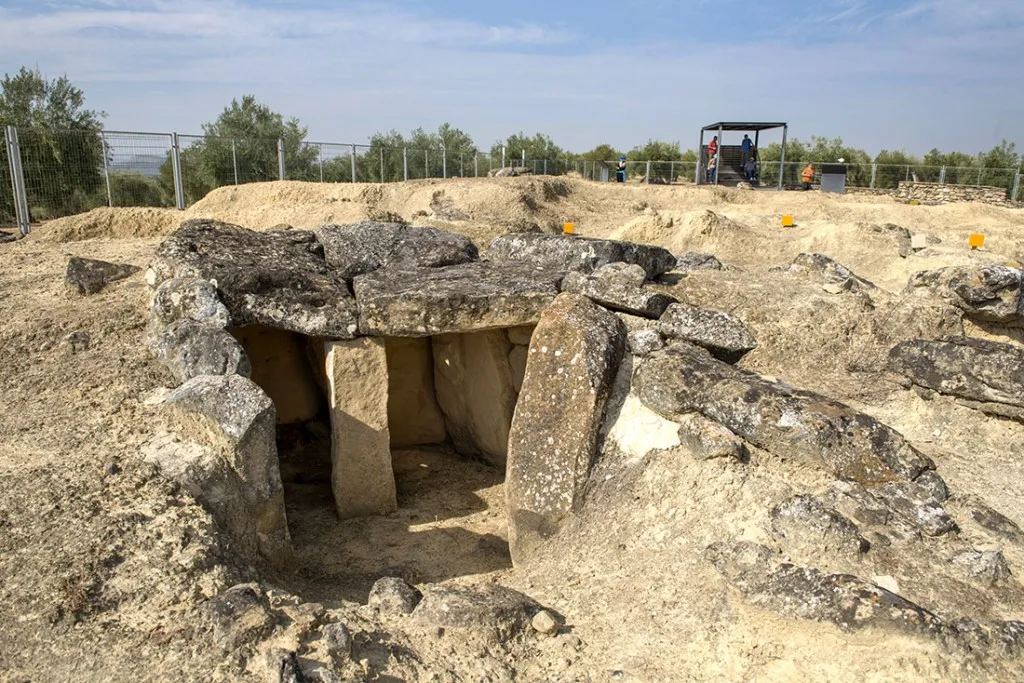
The Iberians were buried in well-organized necropolis next to theOppidos. The cults and funeral rites reflect the socio-ideological organization and evolution of this society. From the 4th century the Iberian necropolis were the funerary space of the lineage and showed both in the construction of the tomb and in the funerary ajuars the social differences between the princes and their clients. The Iberians used the rite of incineration and, by the ashes, buried jets that reflected the person's social status and beliefs.
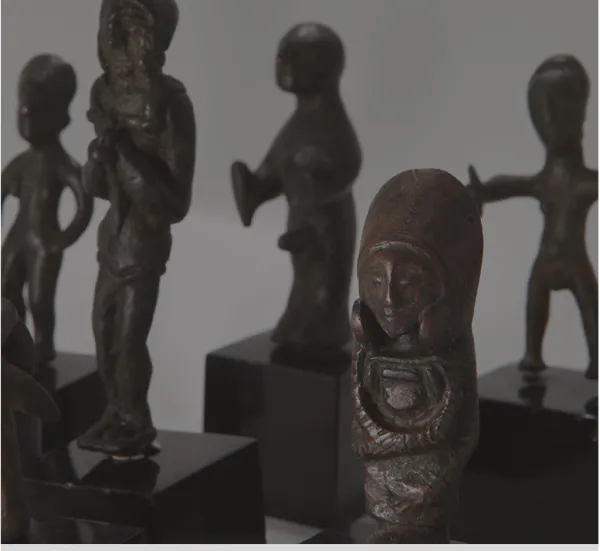
The sanctuaries are also the spaces where the Iberians connected with their beliefs and with the divinities. In the lands of Jaén we know many important sanctuaries, but the Cave of the Lobera stands out in Castellar, a sacred place where a large number of bronze exvotes have been recovered.
The Iberian peoples
The geography of the Iberian peoples shows the diversity seen among them even in a territory as homogeneous as the Guadalquivir Valley. The historical sources confirm in the older periods the existence of two large ethnic groups, one of the Tartesios, located in Baja Andalucía, and the other of the Mastienos that occupied Alta Andalucía and that spread through the valley of the Segura River to the Mediterranean coast. Other groups also had to exist. The evolution of this map in the following phases is not well defined, although from the archeology we can see cultural differences between the territories of the tartesians that the late sources call the Turdetania and that of the Mastiens that are recognized as Bastetania and Oretania. This reference may be only geographical because the new collective identities had to develop since the 5th and 4th century BC from theoppid. And the people were recognized for their lineage and theiroppidumof residence. For some researchers, the differences between tartesians and mastians (Bastetans and Oretans) would justify the recognition of two different cultures with different funerary traditions and even different scriptures and speaks.