



Description
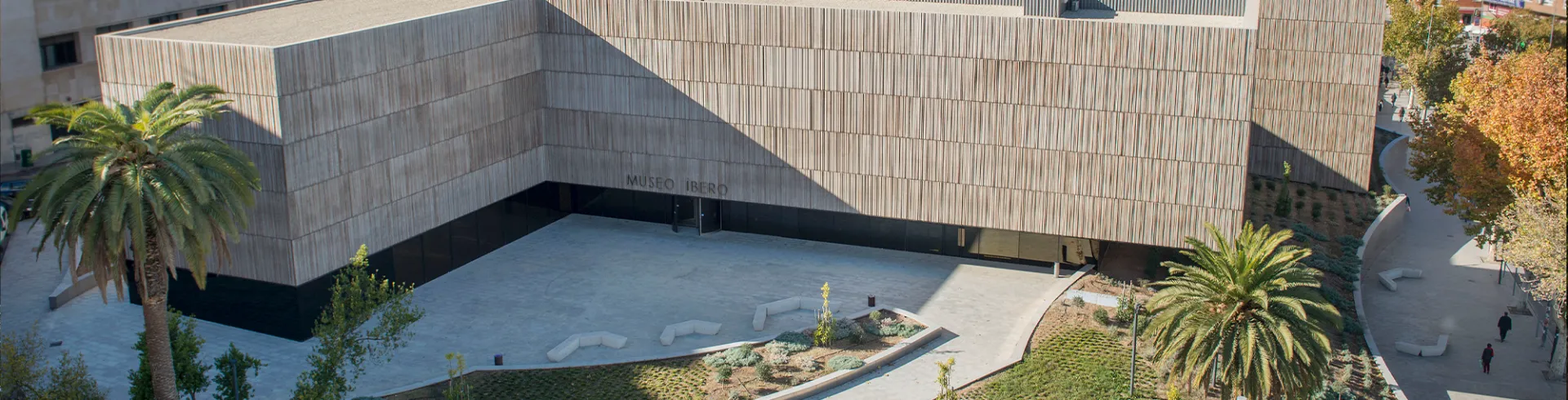
The new Ibero Museum of Jaén, opened on December 11, 2017 by King Philip VI and unique in the world in its kind, is created as a first-class museum institution that will collect the main material testimonies of the Ibera culture. The temporary exhibition entitled "The Lady, the Prince, the Hero and the Goddess" can now be visited, in which through these four prototypic characters of the Iberian people, the public is invited to take a scientific tour of this culture that had a wide development in the Jiennese province and that spread over six centuries, between the VI before our age to Roman domination. In addition, the exhibition includes a module to raise awareness among visitors and tourists about the archaeological expolio and the need to respect the valuable heritage received; as well as a space dedicated to schoolchildren to explain to them, in a didactic way, what iber art means. The new and spectacular exhibition space includes the Iberian monument of The Heroic Sanctuary of El Pajarillo, which was located in Huelma and dates back to the 4th century BC, to which are added pieces from other points of Andalusian geography. Finally, two new sculptures have been incorporated into the permanent collection of the Ibero Museum of Jaén, from the tombs of the Ibera aristocracy found in the site of Cerro de los Molinillos (Baena, Córdoba); they are a lion and a wolf made of limestone of great archaeological value.
The building where the Museum is located is a modern and avant-garde cultural infrastructure, built by the Junta de Andalucía, with more than 11,000 square meters and which has required an investment of more than 25.5 million euros. Located on the Paseo de la Estación, No. 41 of Jaén, in the heart of the capital, the Ibero Museum of Jaén aims to become a world reference of Iberian culture at the tourist, cultural and scientific level.
200 metres from the Ibero Museum is the Museum of Jaén, a container of Iberian pieces of art of extraordinary value, among others belonging to the Iberian sculptural ensemble of Cerillo Blanco de Porcra. The sculptures, which date back to the 5th century BC, tell us the mythical history of an aristocratic lineage, where the struggles of warriors are impressed by their great realism. The Museum of Jaén proposes two historical and two thematic tours: the Archaeology Section in which it highlights an important collection of Iberian times, in addition to other rooms dedicated to prehistory, Roman times, Spanish-Muslim culture and Visigoda culture; and the Fine Arts Section that offers us a vision of sculptures and paintings from the 14th to the 20th century.
Is part of