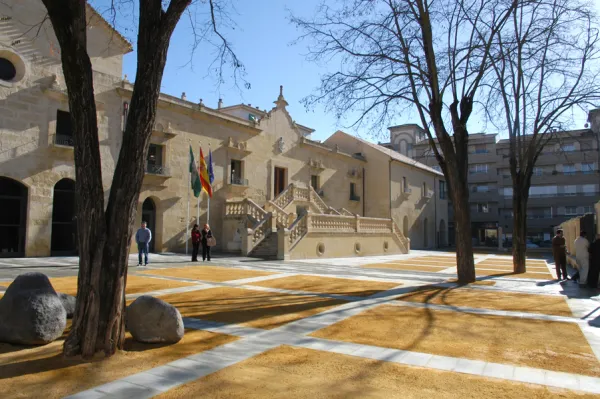
Abacial Palace - Municipal Museum of Alcalá la Real and Territory Interpretation Centre
Museums and Visitor Centers
Alcalá la Real

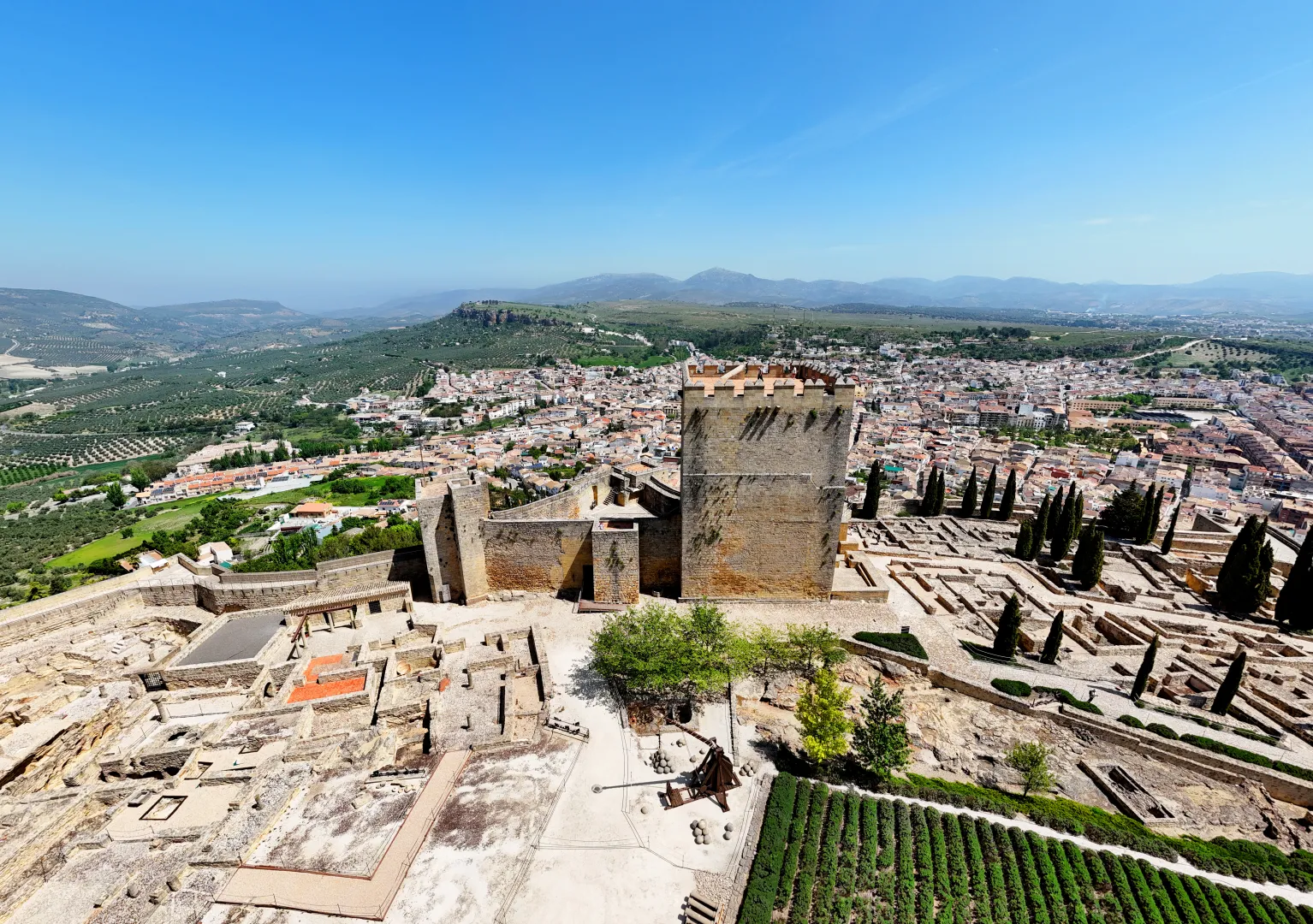


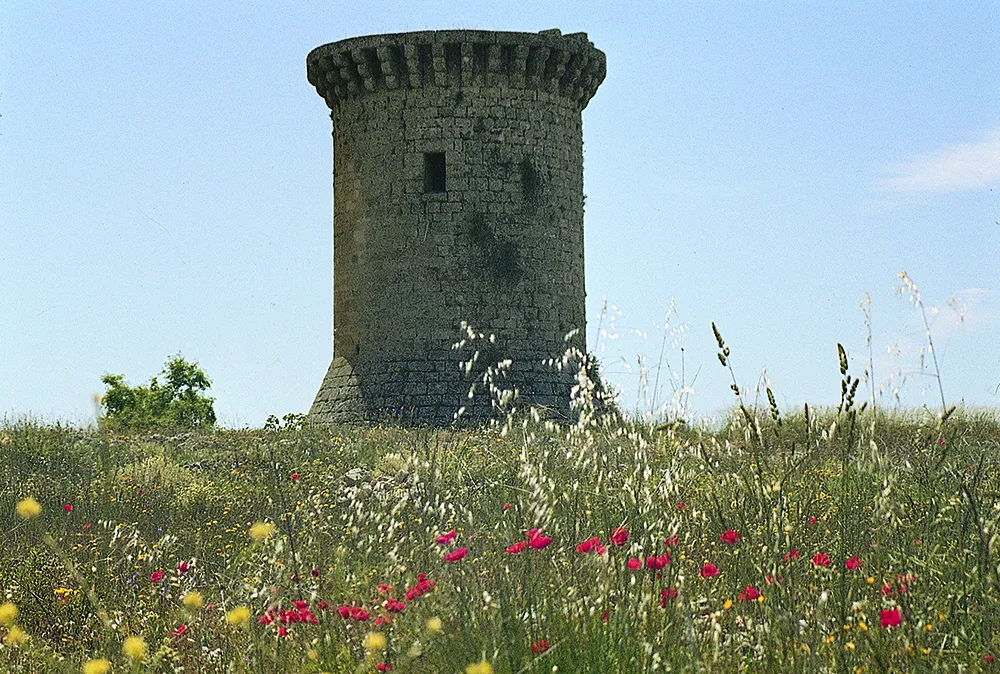
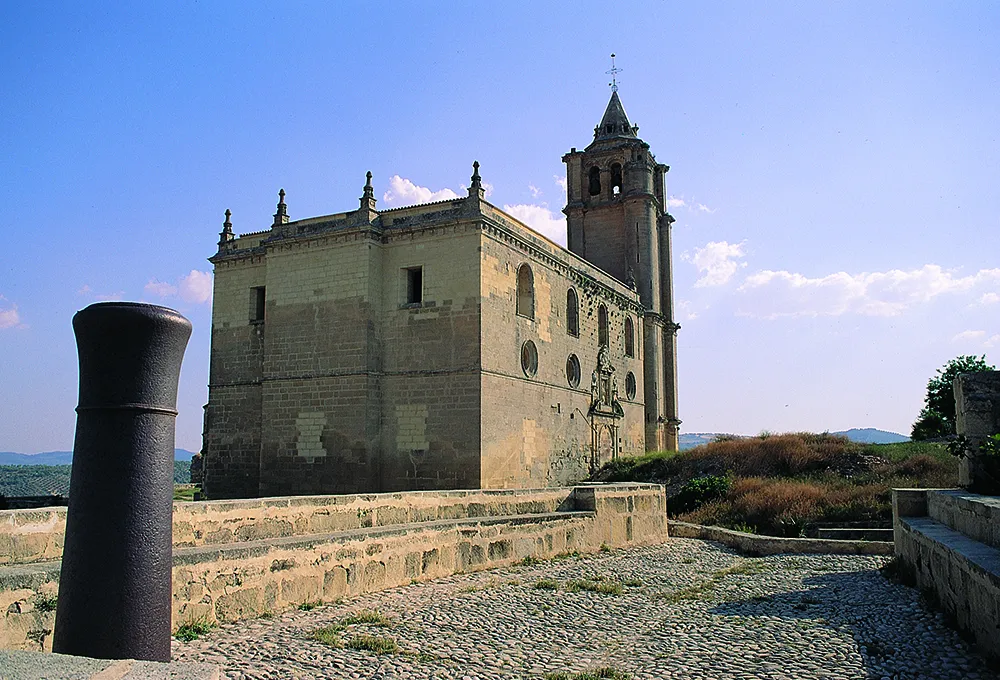

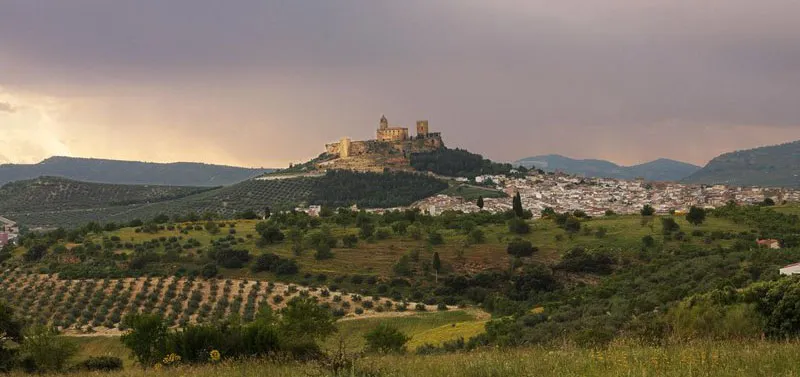




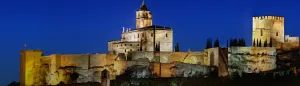

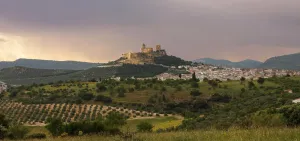

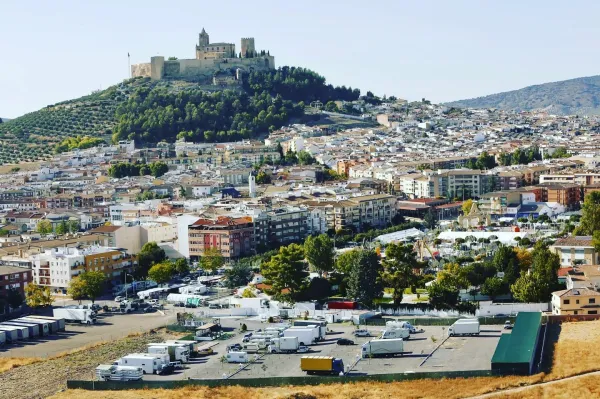
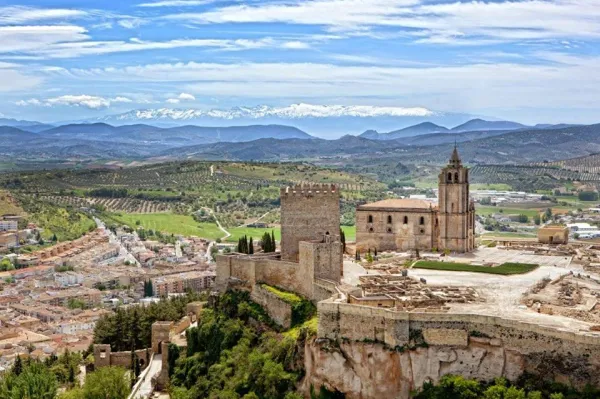
The noble and loyal city of Alcalá la Real, as stated in its title, is located to the south of the province, in the confluence with those of Córdoba and Granada, on a large plateau dominated by the hill of the Mota, in the center of a mountain region covered with olive groves.
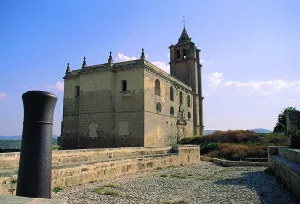
At the foot of the famous fortress of the Mota and the surrounding walls, National Monument since 1931, the city of Alcalá la Real has been extended, with its urban structure of Arab origin, its paved streets with houses and full of surprises, master houses, churches and architectural details, samples of its splendor and its rich historical past. The church of Consolation, the church of Santo Domingo, the church of Our Lady of the Angustias, the church of St. John the Baptist, the Abacial palace, the town hall and the fountain of the Pilar of the Alamos are examples of this.
From the viewpoint of the Las Cruces district, the visitor can enjoy a magnificent view of Alcalá la Real and its old fortified city.

Is part of


The extramurous expansion begins through Real Street and will replicate and build religious and civil buildings, including the Rosario and Veracruz churches, which together with San Francisco and the Alcalá gate are part of the missing heritage.
From the walk of the Alamos, with San Antón and the old convent of Capuchino, today Library and Municipal Archive, we began a tour of the Llanillo, a vertical axis from north to south that becomes the new stage of local life, whose heart is in the Compás de Consolación.
The modernist houses of the early 20th century, the Abacial Palace, the Convent of the Incarnation, the Angustias, the City Hall Square and the Houses of Enfronte are very elegant.
Today, Alcalá la Real is a cosmopolitan and hospitable town, of entrepreneurial neighbors who have known, respecting their past, to reach the 21st century with the elegance and humility of those who know of good crib.
Alcalá la Real maintains its traditions linked to agribusiness and religious parties.
Alkaline gastronomy is very linked to its traditions and parties. At Christmas we can see the pork butter and almonds, of course the products of the slaughter (morcilla, chorizo, salchichon...) and others preserved in olive oil (loin, ribs...).
In the Candelaria meringue cakes, and in Carnival the Fallen (mist of bread, meat and egg boiled in the pig's casing). At Easter, the sweets: pestins, wine roses, holy bones, rice and milk, papuecas...
In the summer the Alkali peas, meals among friends in the field to taste mainly a caldy rice or a secretary (tomato sauce, asparagus, mushrooms and chicken) and in autumn the membillo meat, the fig bread and the wine of the ground is prepared.
The finding of numerous archaeological remains attests to the presence of man in the area since prehistory. From the Roman era, numerous inscriptions have been found with the names of Ipopobulcola or Iliturgicola, which could have been the first names of Alcalá la Real. Among many remains found, we highlight a small marble sculpture that represents Hercules.
Under Muslim rule, in 713, we begin to have news of Alcalá, with the name Qal'at Astalir, becoming a fortified city on the top of the hill of the Mota. In the 11th century, it would be included in the kingdom of Granada. In the 12th century, he became an independent lordship under the mandate of the Banu Said family, this being the most splendid time in the Muslim history of Alcalá, which would begin to be known as Qal'at Banu Said, or Alcalá de Benzaide, for Christian sources.
The Christian conquest was carried out by King Alfonso XI in 1341. This one gives him the title of Real which he bears in his name and the privilege of founding a Royal Patronate Abbey. After the conquest of the city, Alcalá will play a very important role, as a border area, in taking over the kingdom of Granada.
The city title is granted by John II in 1432. King Henry IV gives him the title of "noble and loyal" and the Catholic Kings give him the title of "Key, guard and defence of the kingdoms of Castile."
After the reconquest of the kingdom of Granada, the mayors will leave behind the security of the walls of the fortress, which will gradually depopulation, occupying the eastern slope of the hill of the Mota to reach the plain and ascend the hill of Las Cruces, located opposite the first, and separated by the "Llanillo," name that refers to the topography of the land: a plain located between two hills.
The French occupation of the fortress city in 1810 and the subsequent withdrawal of the troops leaving this territory at the mercy of the flames of a fire, linked to the disappearance of the Abbey in the mid-19th century, will plunge this environment into an accelerated deterioration. For a few years now, important efforts have been made to rehabilitate this monumental space.
15
8
31
11