



Description
The natural wealth and beauty of these two sites have made them visited by an infinite number of hikers in recent decades; but this pressure has not prevented the lagoons from remaining unique and beautiful. You are in one of the areas of maximum protection of the Park, an extremely delicate ecosystem that has favored this explosion of biodiversity: real anades, seals and petirrodes find an ideal shelter in these "ponds" and in the vegetation surrounding them.
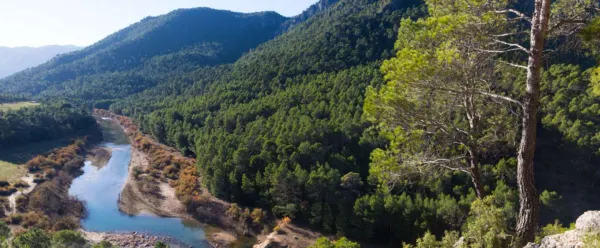
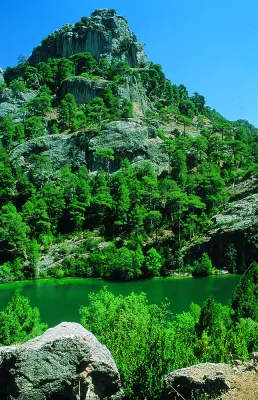
By coming down from Collado Bermejo you will first find the Lagoon of Valdeazores, a natural stagnation of the stream of the same name that has been repressed with a wall at its bottom. The lagoon is an intense turquoise blue, surrounded by nozzles, strawberries, complaints and maples.
About 800 meters later you will find the reservoir of Aguas Negras, another paradoxical place where a dam was built years ago for the hydroelectric use of the Borosa River.
Crossing the dam and walking a few hundred meters you can reach the birth of Aguas Negras - or the birth of Boros- an emergency that helped by the Arroyo del Inferno gives rise to some of the most important tributaries of Guadalquivir in its high stretch.
We suggest:
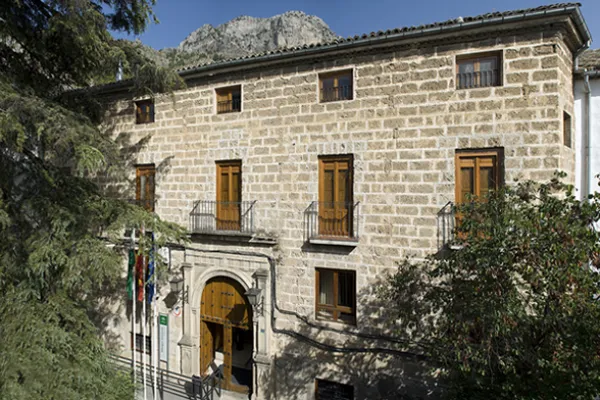
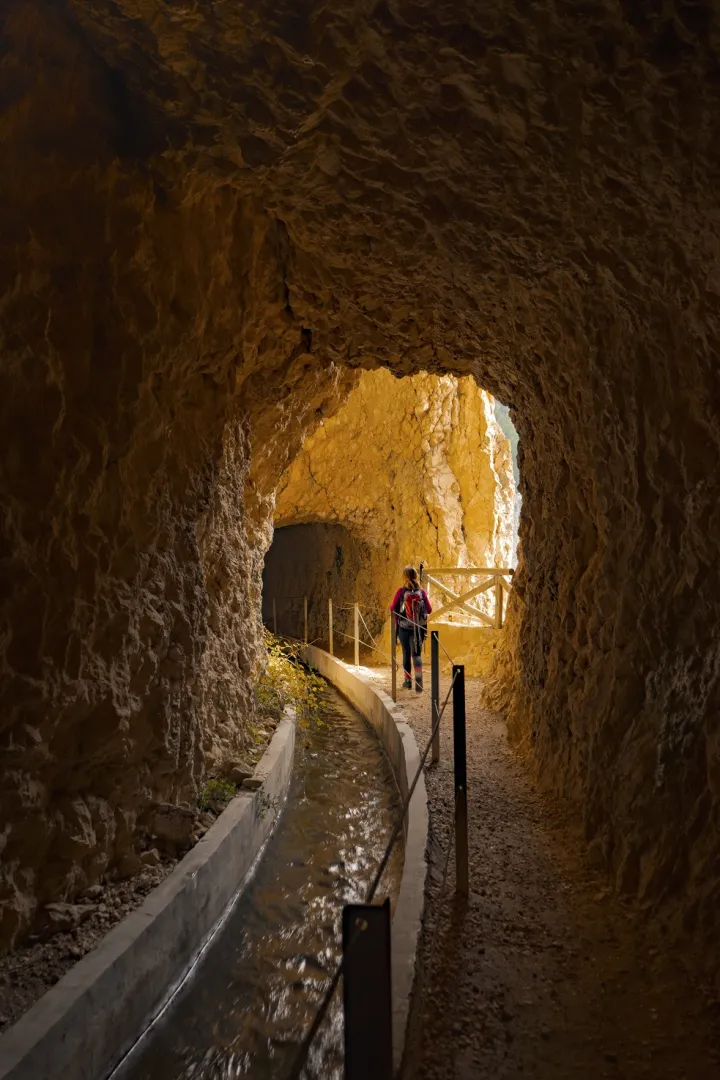
- From the Interpretation Centre of the Borosa River (next to the farm), a well-known route to the reservoirs, passing through the Cerrada de Elias and the leap of the Organs. If you have time, give a day to this spectacular route.
- Visit the San Pedro Navy by the way we had brought to the hill of Fuente Bermejo.
In Cazorla take the Sierra road (A-319) until the crossing known as the Empalme del Valle. Turn right on the JF-7092 road and after passing the bridge over the Guadalquivir River (4 km from the Empalme) follow the left track (JF-7091). We go through the Nava del Espino, the Nava de San Pedro, the Nava Ciazo and follow in the direction of the Campos, but before we reach them, on the Collado de la Fuente Bermejo a road to the left takes us to the lagoons.
Is part of