

Route de los Maquis (Quesada)
Description
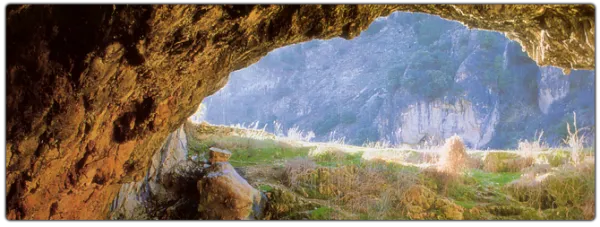
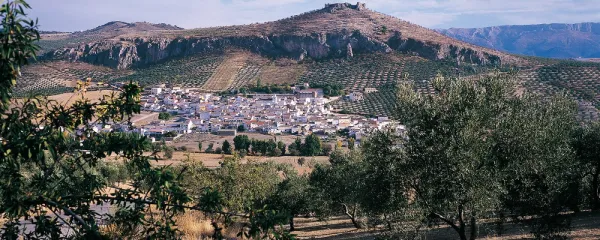
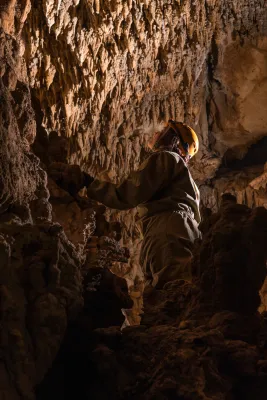
In 2007 Quesada designed 11 itineraries in which the time of the Maquis was interpreted and made known and their presence in the mountains of Cazorla and Segura recovering ancient paths, caves, natural shelters and cortijos by which the Maquis walked in an attempt to recover a chapter of our most recent history.
Is part of

Datos de la ruta
ROUTE NAME
Ruta de los Maquis (Quesada)
TRAIL TYPE
--
DIFFICULTY
--
TOTAL DISTANCE (IN KILOMETERS) --
-
Stretch of asphalt or concrete:
-
Section of track, forest road, or dry watercourse:
-
Trail section:
-
Sections of livestock trails:
HUSO 30S
30S x = 494197 and = 4188498
ESTIMATED TRAVEL TIME
ROAD SURFACE TYPE
Trail
--
--
DIFFICULTY. RATING ACCORDING TO THE MIDE METHOD
--
MEANS
Severity of the natural environment
--
ITINERARY
Route guidance
--
DISPLACEMENT
Difficulty moving about
--
EFFORT
Amount of effort required
ACCESSIBILITY TYPE
TIME OF YEAR
All year round
SIGNALING
No
MORE INFORMATION
TUNNELS
STEEL VIADUCTS
METAL WALKWAYS
WATER POINTS
PONTOONS
GUARD BOOTHS AND BARRIERS
SWITCHMAN'S CABINS
CYCLABILITY
RECREATIONAL OR SPORTS AREAS NEAR THE TRAIL
AID STATIONS
LINKS TO OTHER TRAILS
SHELTERS
RECOMMENDATIONS
OTHER INFORMATION OF INTEREST (ARCHITECTURAL OR HISTORICAL-CULTURAL, GEOLOGICAL-ECOLOGICAL)
Technical Description
The Civil War unevenly affected the province of Jaén, which remained in the Republican area until 28 March 1939, almost the end of the War. In many municipalities, agricultural communities had been implemented and some initiatives had been abruptly interrupted after the end of the war. As was the case during the Napoleonic invasion, these saws facilitated the emergence of groups of armed resistance, known as maquis. Some of his family and friends always tried to help them, at the risk of reprisals for collaborating with the guerrilla.
In the Sierra de Segura, he highlighted Sixto García Espinosa, "that of Marchena," who led a group that resisted until 1950 in caves near the village of Marchena, near Santiago de la Espada, of which José Antonio Fernández, from the village of Miller, Juan Sáez, who was mayor of the neighbouring municipality of Nerpio, and Manuel Romero, secretary of the same municipality. They were all killed or arrested by the Civil Guard.
Another of the resistors was Pablo, that of Motril, although it was actually called Manuel Pérez Rubiño, who focused his activity until 1952 on the terms of Cazorla, Quesada and Pozo Alcón. Other names that have remained in the collective memory are those of "Fernandillo" or the "Red Terrinches," which now become known thanks to the latest historical investigations and the attempt to recover the historical memory of the period immediately after the Civil War.