

Tourist Office

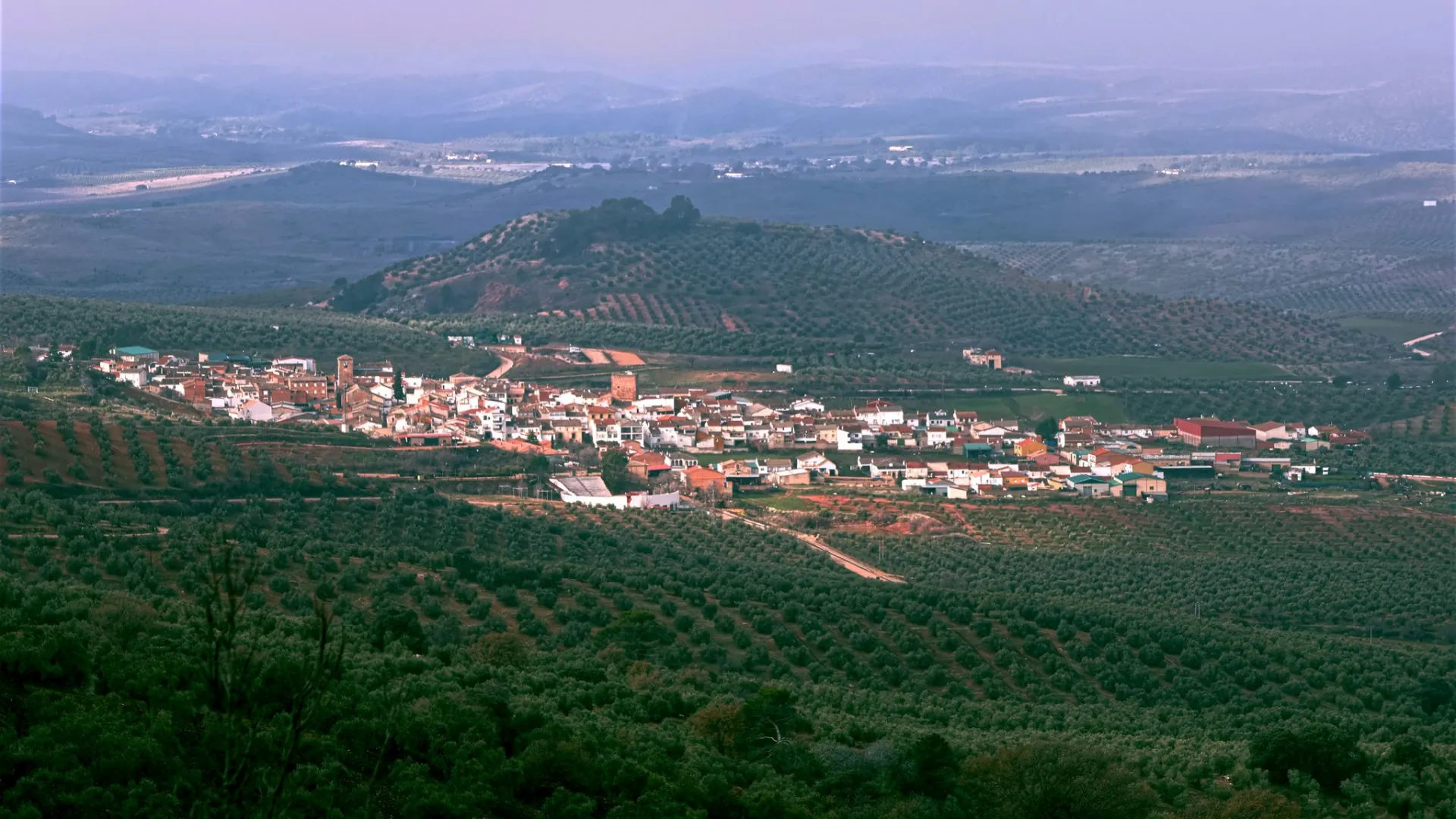



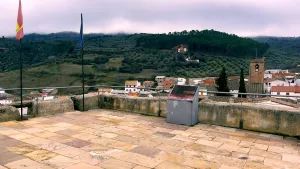


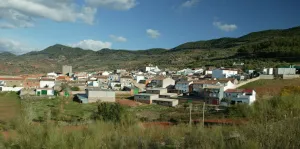
Génave is a municipality located to the north of the Sierra de Segura, in the first foothills of Sierra Morena. Most of its municipal term is included in the Natural Park of the Serras de Cazorla, Segura and Las Villas. Two thirds of its territory is occupied by a mountain, where forest and livestock are dominated. The rest are cultivated land, which is distributed by the olive tree, mostly from the dry and the arable crops.
It was a strategic enclave that served as a passage between Andalusia and La Mancha. And it is also border land and fortresses that define its urban physionomy in the midst of a rural landscape of extraordinary beauty.
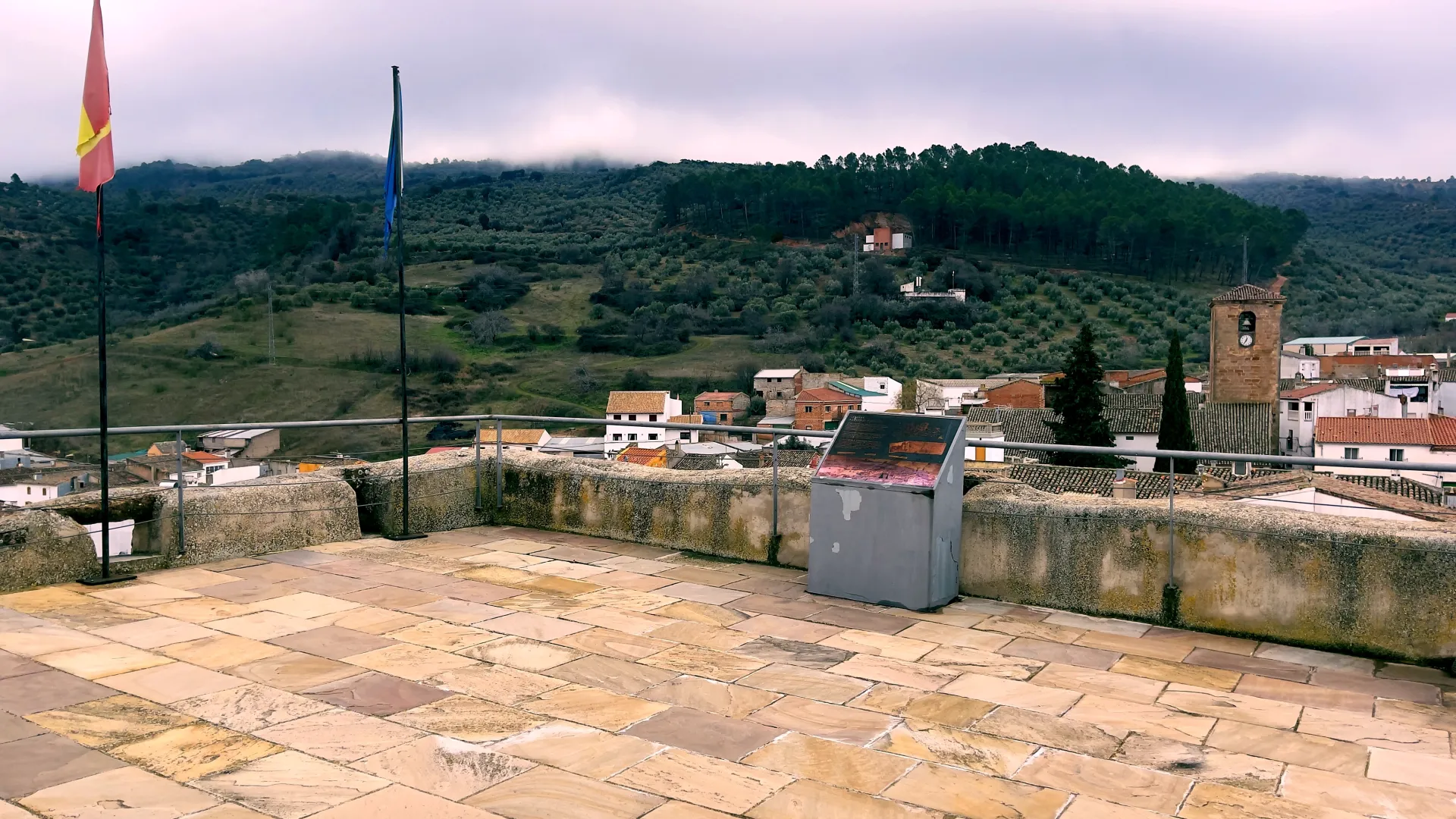
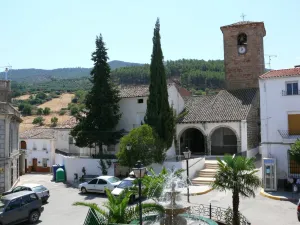
With regard to the architectural heritage, the parish Church of the Immaculate Conception, completed to build in the late 15th century the purest Renaissance style, except some primitive parts that are of Gothic style (13th century), stands out. It also stands out the Torre de la Tercia, located in the centre of the town, which is the tower of tribute of an old medieval castle.
The villages of La Almohadilla, Las Parrillas, Las Atalayas and the Castle of the Laguna or Zarrocotin are also located in the border of Génave.
Its economy is based on the production of organic oil, under the designation of origin Sierra de Segura and the brand Oro de Génave. It is important to highlight the commitment to organic farming, an idea that started from a few neighbours back in 1989 and that has continued to add new partners and many hectares dedicated to this cultivation.
Is part of


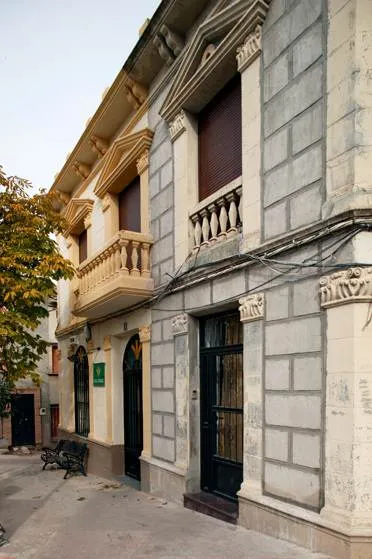
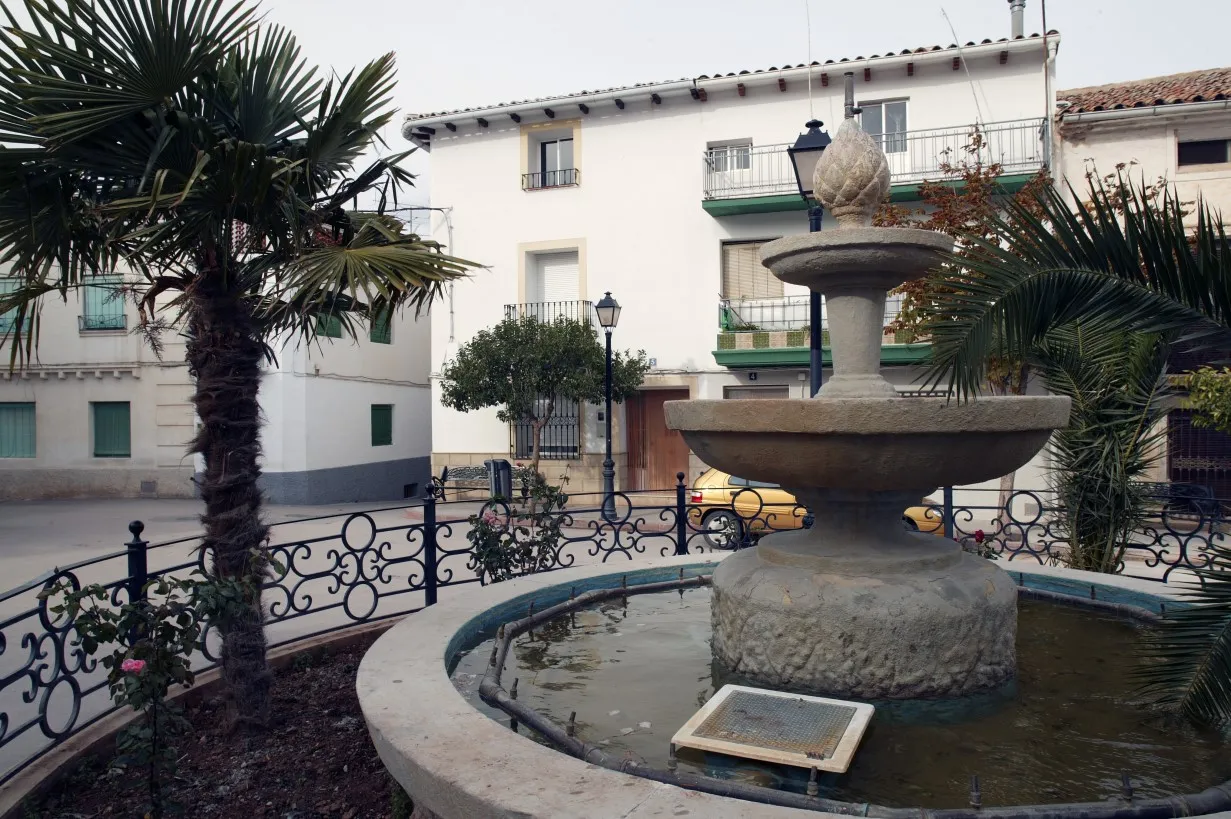
We highlight its architectural heritage:
Located to the north of the Sierra de Segura region, at an altitude of 835 m., most of the territory of Gemave is included in the Natural Park of the Serras de Cazorla, Segura and Las Villas.
Because of its situation it was a strategic enclave that served as a passage between Andalusia and La Mancha. A border land with a rural landscape of extraordinary beauty. Its landscape is shaped by a wide valley of asymmetric slopes and alominated reliefs crowned by the Picarzo 1296 m high.
North of the term, there is a mountain, the Ardal Room, in which the oaks, together with the retama, predominate, the albar thorn, wild rosals, juniper, ivy and madreselva. An ideal ground for the cicnetic species of major hunting (boar, deer, corzo...), and also of pastures, especially for the cattle of ligia.
SouthWe met with him. Cerro de los Palananas, with abundant olive plantations in addition to other arable crops such as cereals. To stress that the town of Génave is a pioneer in the production of organic oil. No insecticides are used to combat pests. The dominant variety in 97% of the area's olive groves is the picual, a variety resistant to cryptogamic diseases and low temperatures. Other plant species that we will also find to the south will be the complaints, oaks, pine and rosemary.
As regards fauna, they predominate the birds; the most common is the common coal; birds stands out the common cernicalo and the common mouse. And in meadows and bushes is common the totovia and the common clogged.
In addition to Christmas parties, Carnavales and San Isidro, these festivities are also held in the town:
Among the rich ethnic heritage of this municipality is the so-called Jota de Génave, which belongs to the large group of serrana jotes of the region of Segura, although in this town there is a certain manchego air in its music and in the interpretation of its dance. It was performed at the parties in the village square, in the rosetry of the Virgin of the Field and in the dances that were organized in the cortijos of the area. It is made up of a walk, a chisel and a cup full of ingenuity and picaresque. His music is mainly produced with guitar, accompanying the dishes the rhythm of the dance.
Génave's gastronomy remains the traditional one, highlighting the dishes made with products from its massacres.
In times of slaughter, the "jopringa" or "Ahomaran". It is prepared with the liver of the cooked, ground and seasoned pig with abundant olive oil and other products. This dish and the "pot" or "cooked with thistles"they are the ones that have traditionally been used to invite the attendees to the slaughter.
The whiteIt is not made of pig blood, but of lean meat, chicken or turkey meat, bread miga, beaten eggs and spices, although it is called morcilla. The "gachamita"They're the traditional cake-shaped crumbs.
This municipality has its own dishes for some parties, so for San Antón, it is traditional the "crow lethulls", wine, sugar, water and fruit, drink that is accompanied by roasted potatoes.
For San Marcos is prepared "lamb chard." And for the patronal parties it is customary to kill a bull, and once its meat, fried or cooked in a chilli, is distributed between neighbors and visitors.
At the Feast of All Saints, the "sweet peas with toast".
Other dishes are also made that are typical of the Sierra de Segura: Migas de pan, Ajopringue, or Pipirrana, among others.
In pastries are prepared baked, fried rosses, chickpeas cakes, Easter panets and drunks.
For the remains found, we can consider that the first human settlements are of the Iberian periodbut no more specific data are available.
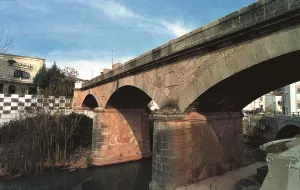
Given its location has been a natural step between the high Andalusia and the Peninsular Levant, a stretch of the Roman road of the 1st and 2nd centuries is preserved, with a length of about 100 meters and a width of 3 meters.
The strategic position of the municipality determined that between the 11th and 12th centuries, in the face of the advance of Christian troops, Muslims built fortresses in many places to control the movements of the enemy army. This is probably the case with the Tower of La Laguna. Génave does not appear in the relationship of places conquered by Fernando III The Holy One, at that time, would be a small rural settlement, but is considered to have passed into Christian hands around 1235. After the conquest he was handed over to the Order of Santiago, integrating himself into the possessions of the Sensue. This membership of the Security Council was extended until Philip II granted the villa title in 1551.
The urban physionomy of the mid-16th century remained unchanged for a long time. Its inhabitants were engaged in agriculture, growing cereals, chickpeas, vineyards, olive trees... It was also important for pasture and mountain surfaces. With the agrarian crisis of the late 19th century, the replacement of cereal crops begins and as the 20th century progresses, the olive tree is more prominent, occupying most of the cultivated land.
3
1
3


