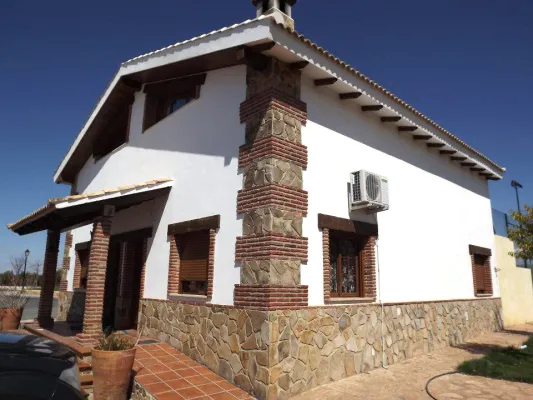
Arturo Cerdá y Rico Photography Pioneers Interpretation Center
Museums and Visitor Centers
Cabra del Santo Cristo

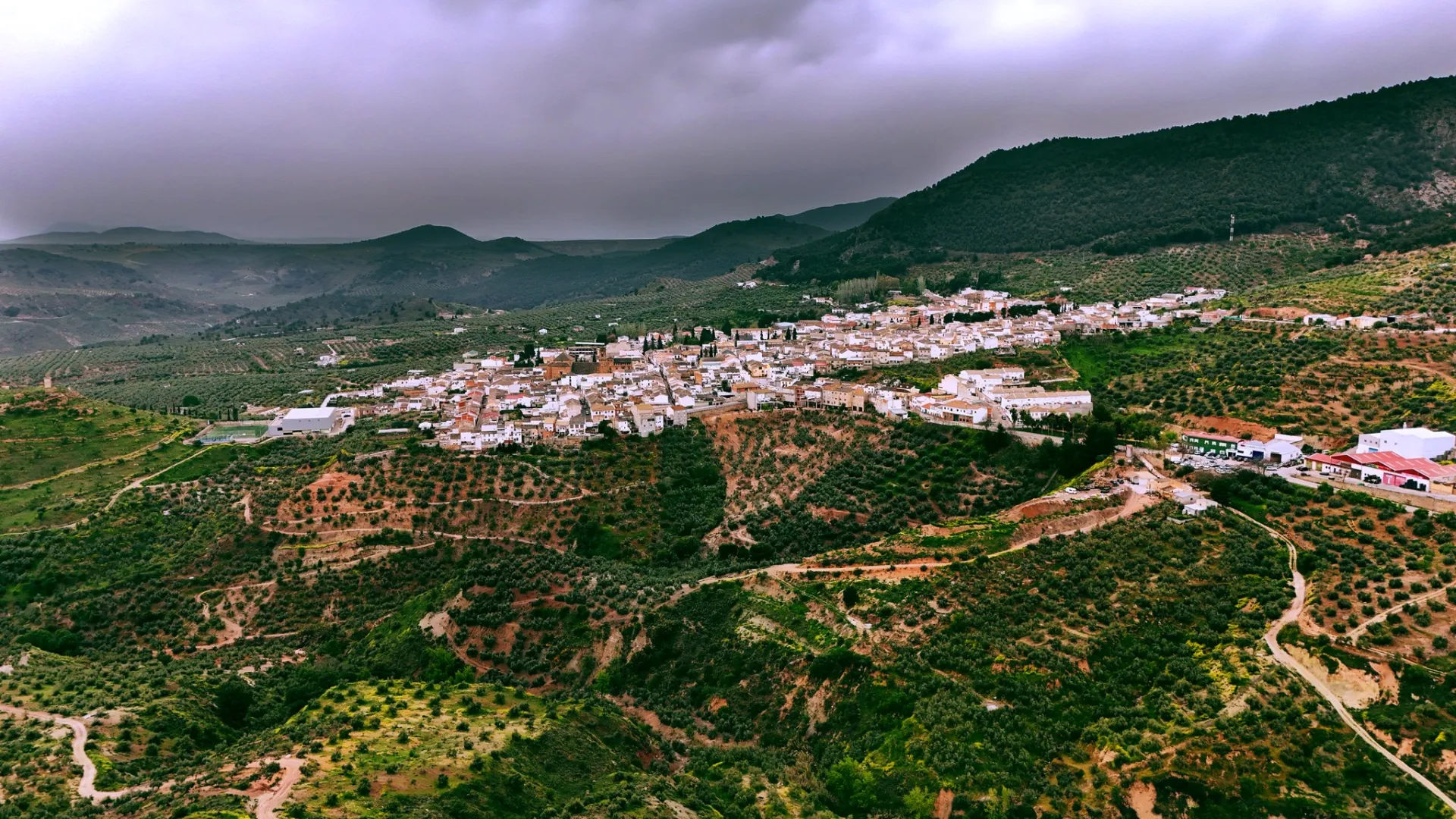
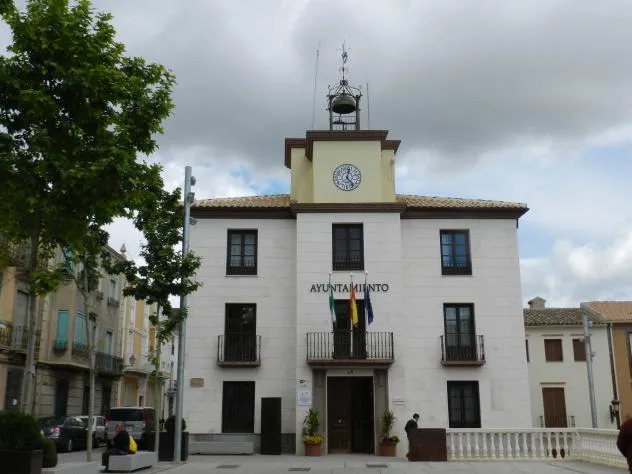


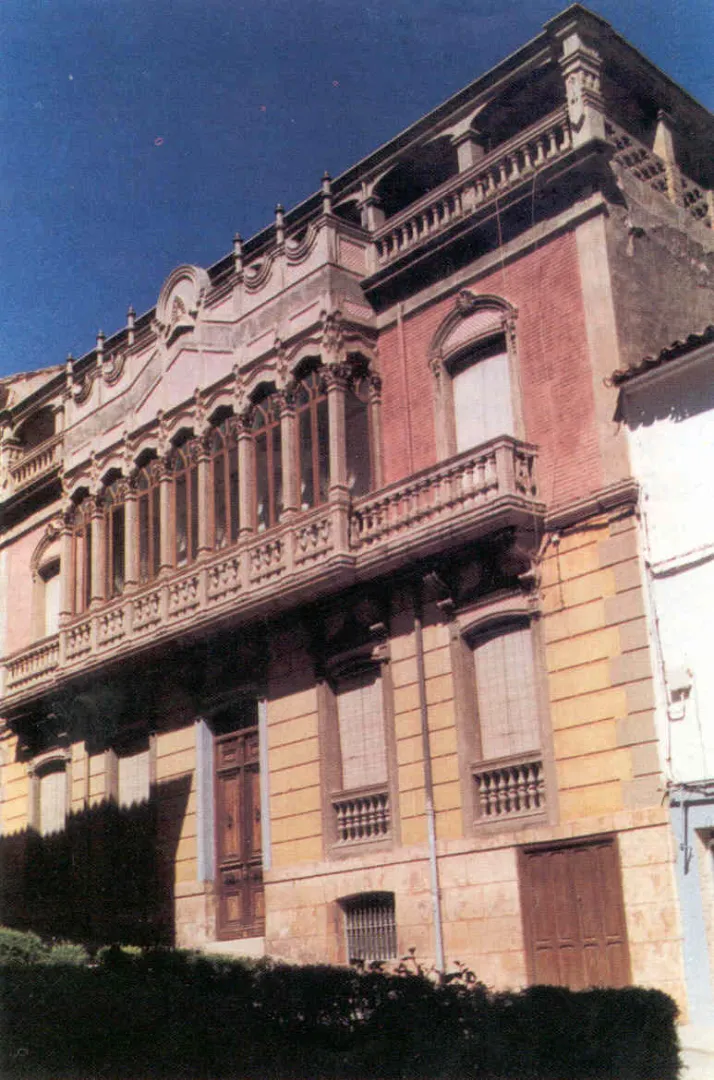

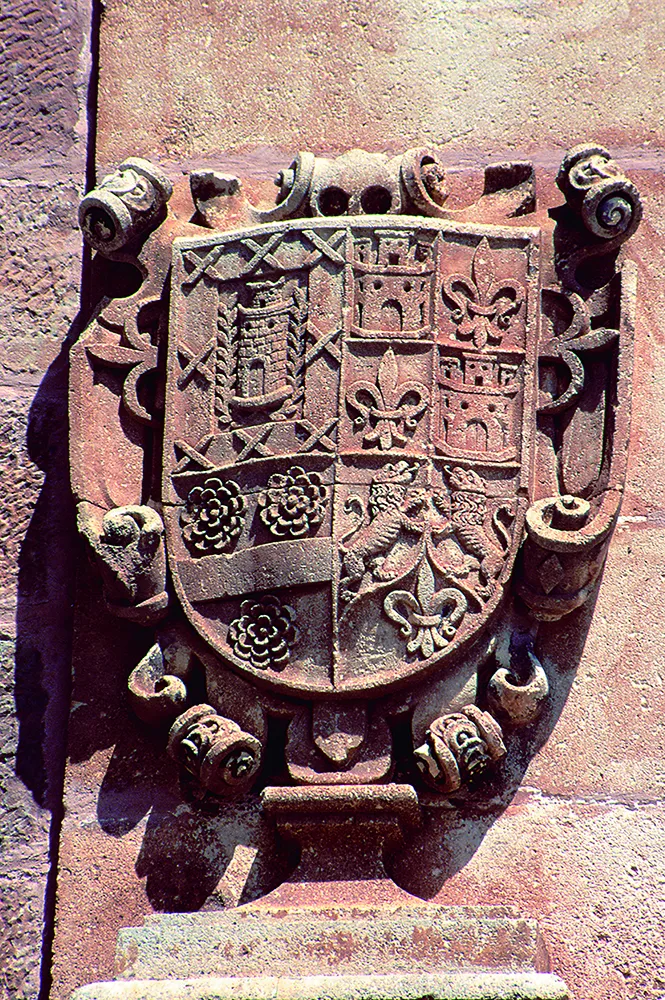


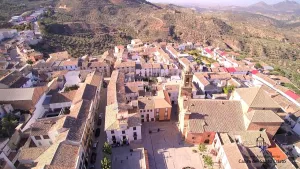
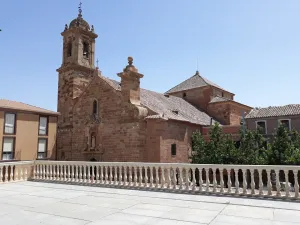
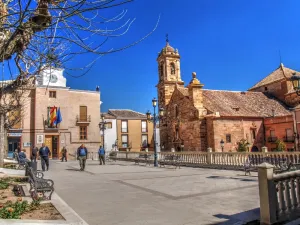

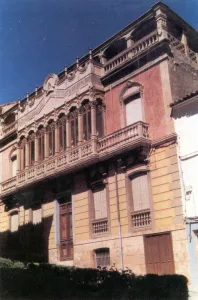

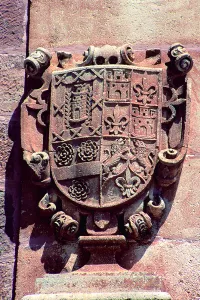
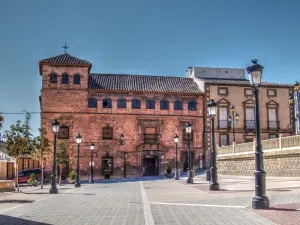
It is a municipality in the Sierra Mágina region and occupies the eastern space of it, it is located looking to the Sierra de Cazorla and the Guadiana Menor river, in a space of arid and eroded lands that make up unique natural spaces in the province.
The municipality consists of three population centres, Cabra del Santo Cristo, Cabra Station and Huesa Station.
The municipal term combines the landscape of olive and almond trees with large extensions of pine trees, oak trees, with the shrubs, piorns, romals and tumolar, within a geography of contrasts, in part marked by low rainfall.
In the landscape a millennial oak declared Good of Natural Interest and the bridge over the Salado stream is 109 m high and 300 m long.
The economy of the goats is mainly based on the production of olive oil, there are currently two mills in operation. The cultivation of almond is also of great importance.
Cabra presents a rich historical past, highlighting its neolithic caves, Roman remains and findings of a small treasure of visigode coins.
Is part of


The term Cabra from the point of view of vegetation has an enormous variability, because it is found to be part of the last foothills to the east of Sierra Magina and also of the valley of the Guadiana Menor, characterized by its aridity.
The vegetation is very abundant having to colonize different climate floors from 460 to 1433 m., as well as different types of soils: saline, plaster, limestone, etc.
It combines the landscape of olive trees and almonds with large extensions of pine and oak trees, with the shrubs, piorns, romals and tumbling within a geography of contrasts.
The millennial oak and Bridge over the Salado stream with 109 m high and 300 m long.
Hosges a rich fauna: Torcaz pigeon, abubilla, jineta, badger, boar, rabbit... and is an enabling ground for activities such as hiking, cycling and climbing, among others.
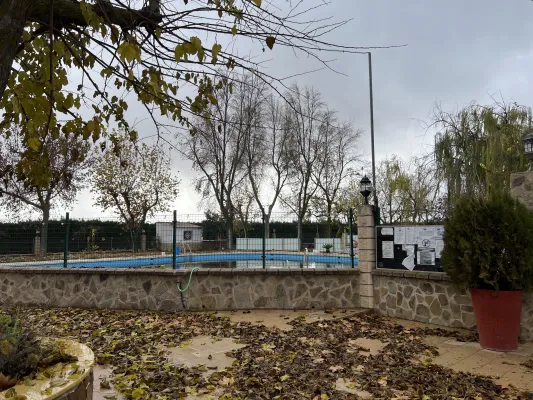
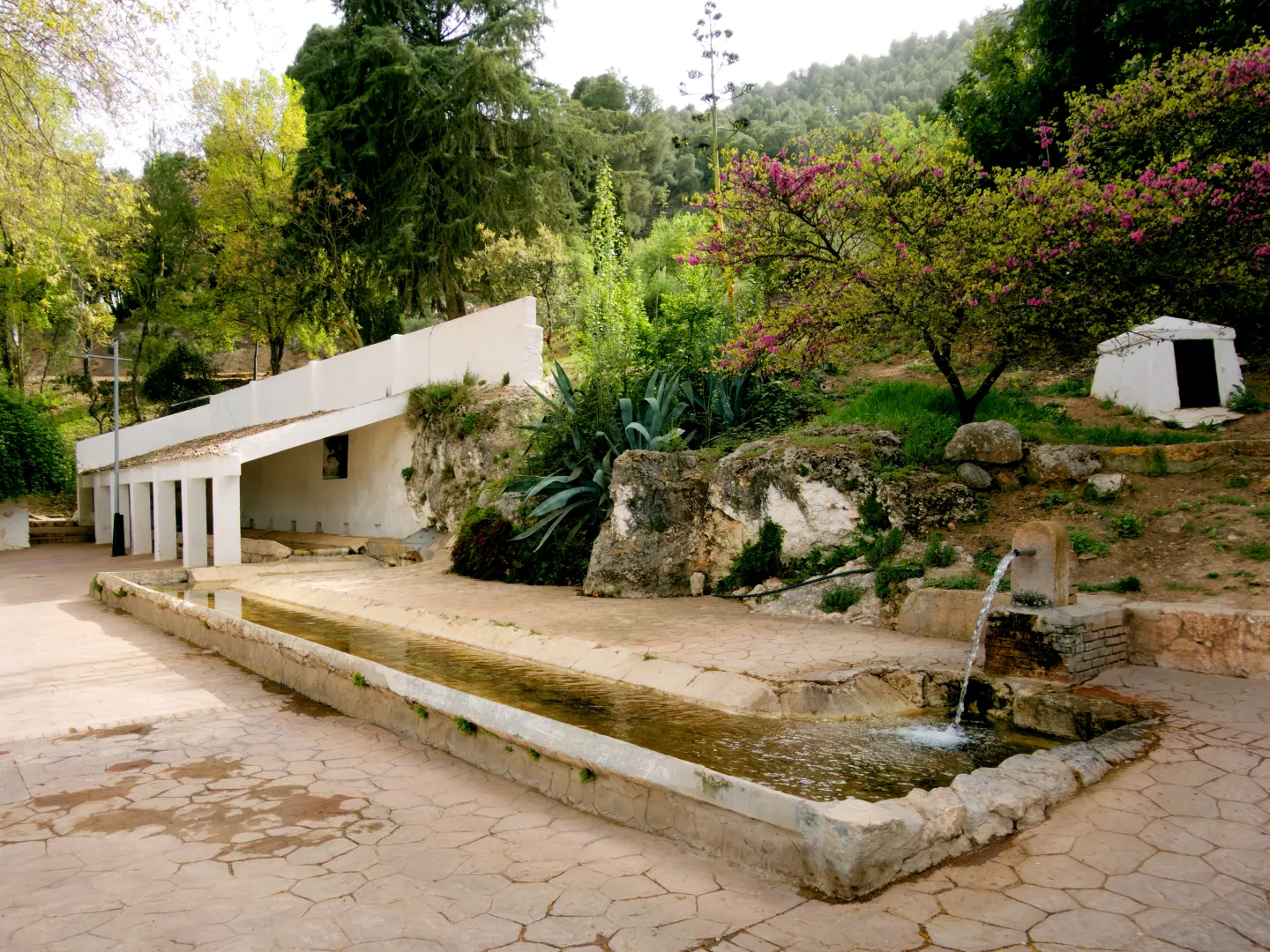
Among the recreational places of the population, the surrounding area Place of Birth offer an ideal space for sharing a field day and enjoying nature.
Other locations of interest to visit would be:
The main holiday activities in the town of Cabra, in addition to Christmas, carnival and Easter, are as follows:
The gastronomy is based on the local products of the orchard, hunting and livestock. In addition, extra virgin olive oil will be the central element of the cabriwood cuisine, an oil with the designation of origin Sierra Magina.
Among the most characteristic dishes are:
For some remains of joules found in the caves of La Liota and the Barranco de la Sima, in the Sierra Cruzada, we have to assume that the first inhabitants of these lands were associated with Traveller populations dedicated to grazing.
The villages corresponding to the age of the Copper and Bronze, which would be located in the Kangilones, Montosa head and Barranco mill, they would be located along the stream "Royo" which below will be called Salado.
These lands were part of the passing area that connected the southern Mediterranean coasts to those of the East (Levante), an important reason for human presence in these places. The finding of metal idols confirms the existence of Iberian populations.
As well as the finding of coins or a Roman mill, tombs, and even suspicions of the existence of a necropolis, are compelling evidence of the presence of the Roman people.
From the Visigoda era we know the finding of what has been called the "treasurer," which was a currency with the inscription "Chisdasvinto Rex."
As far as Muslim domination is concerned, we have little information on the early stages. We know that Fernando III the Holy takes the villa in 1245And it shall be King Alfonso X the Wise, who will give it to him, together with Santiesteban, to the city of Ubeda.
With the conquest of Granada the instability on this border disappears and Carlos V orders the Council of Ubeda to repopulate the site of the CabrillaThat's the name of the population then. In 1545 there would be the arrival of the first 50 neighbours, and a little later another 100 would arrive. The new rotated and sown lands of cereal begin to bear fruit and it is noted that the demographic increase is noticeable, by the end of the 16th century the town already had 600 inhabitants. The construction of the church of Santa Ana begins, under the title of Our Lady of the O.
A few years later, without the reasons being clear, the construction of a second church begins, Our Lady of Expectation, the present parish.
The 17th century will be the aura period for the town of Cabrillas. During this century, forestry (pastures, shrubs...) is moved to rotate these lands and grow them from cereal, with the resulting increase in production.
And to this modification in cultivation we must add the arrival of the image of the Christ of Burgos, a fact that would change life in this villa. On January 19, the feast of San Sebastián, of 1637, a bartender that carried the belongings of the Guadix Corridor in two mules loses the burden because of a temporary, with the exception of a canvas with the copy of the image of the Christ of Burgos. The waitress where the bartender, who was crippled with one arm, took refuge, healed by just touching the image. The miracle spread through the area and soon the devotees of the most diverse localities came to pray before the image.
A fact that meant changing the name of "Cabrilla" for "Cabra of the Holy Christ".
There were so many gains that the church that it was decided to extend the church by its header. The big house is set up on these very dates, the town increases its number of inhabitants and a glass factory is created, which, together with the craft with the spartum, decide to carry the objects produced by the people to sell them.
The arrival of in 1899 it was a new push for the increase of the population, with jobs in the construction of the roads and in the construction of the new houses in the town, reaching the 6,741 inhabitants.
The times of bad crops, as well as the industrialization in the manufacture of objects such as glass or spartum, and the post-war years, they assumed the exodus to the great cities for many of the inhabitants, thus the population began to decline to the present 1800.