Beas de Segura

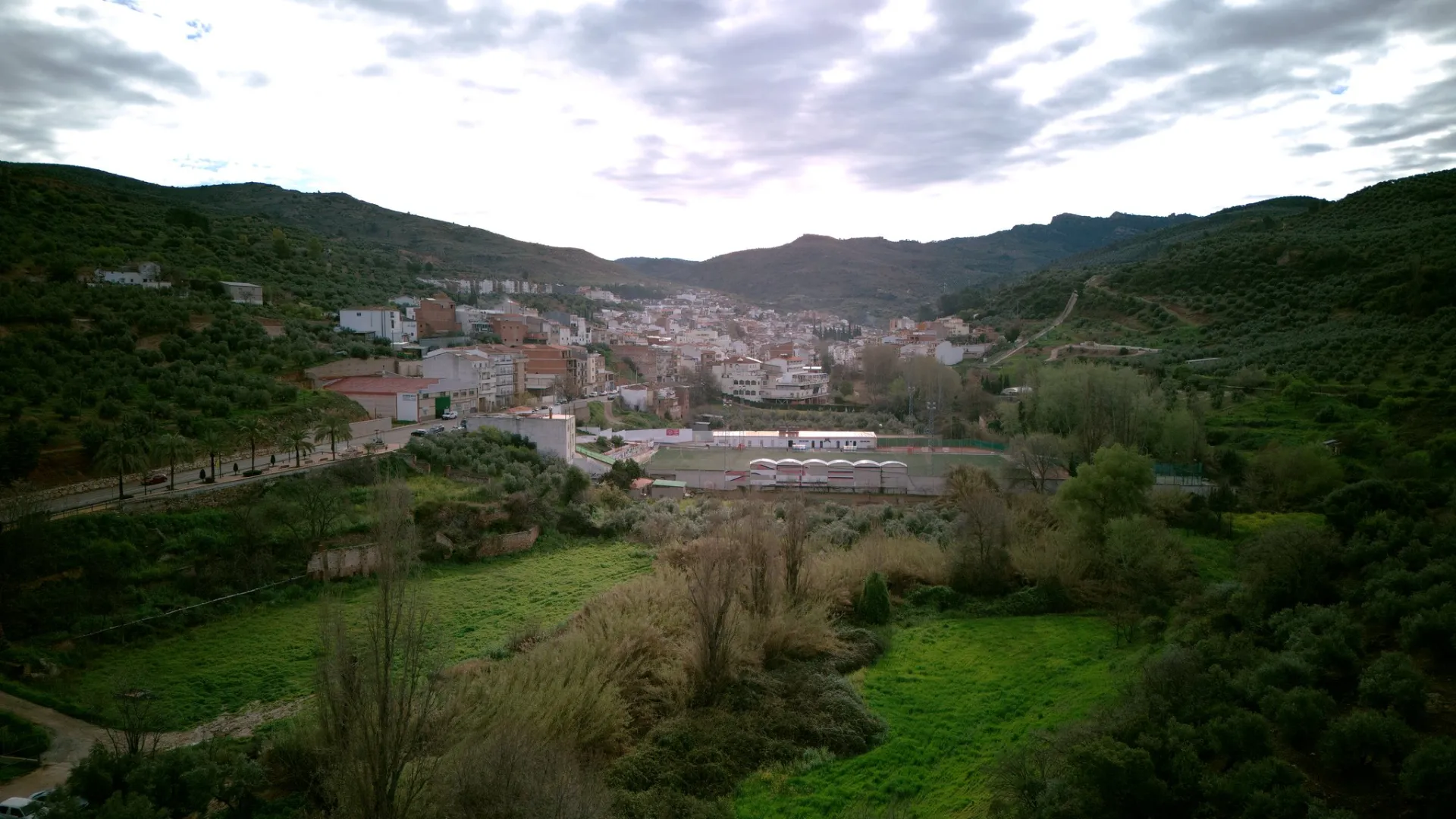
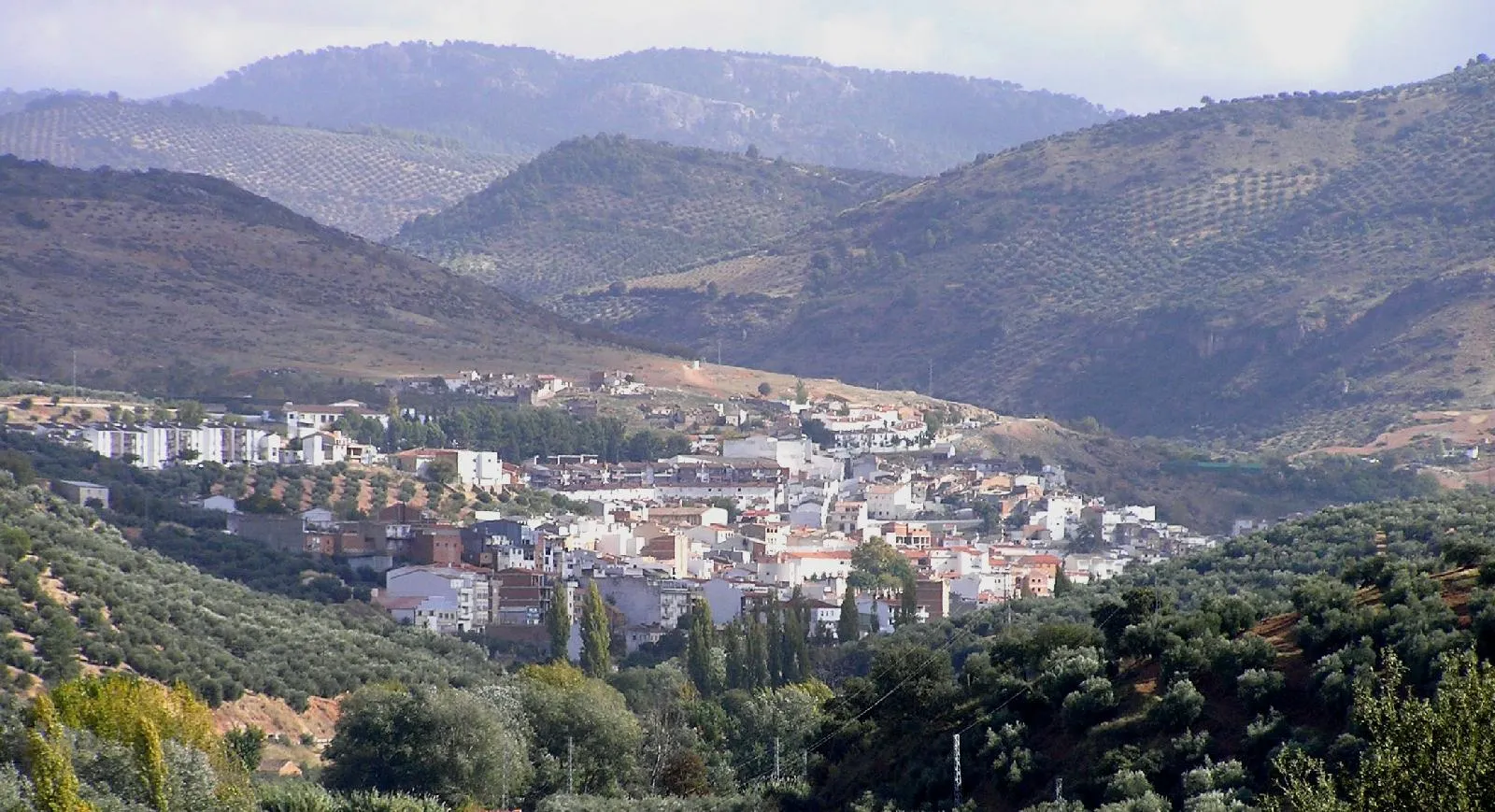


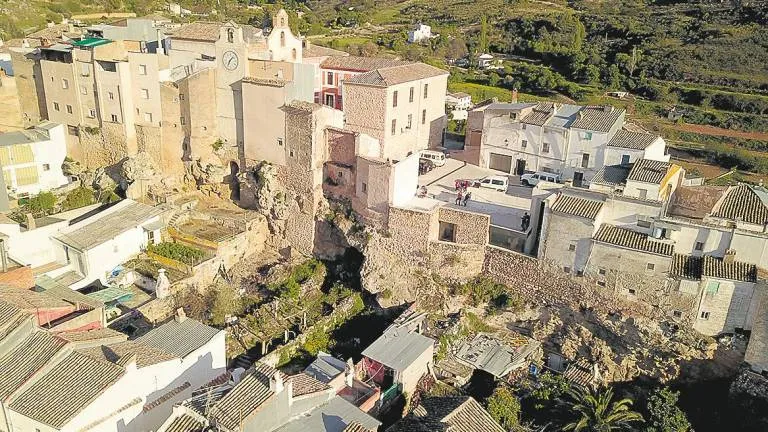





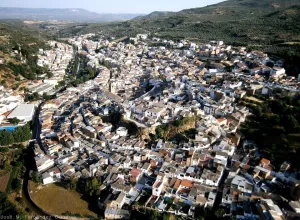


A town located to the north-east of the province, between Sierra Morena and the Sierra de Segura, with a landscape of large olive groves and mountain areas. Part of its term is included in the Natural Park of the Sierras de Cazorla, Segura and Las Villas, the largest protected space in Spain: the orographic labyrinth of valleys, calares, tachos, mountains and altiplanos of great hydrological importance (because of the large amount of rivers and streams that they handle); botany (lario pine, carrasco pine, black pine and many endemic species); faunistico-cynetic and landscape.
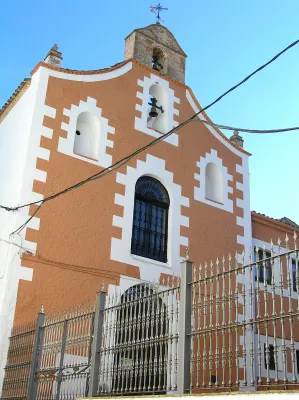
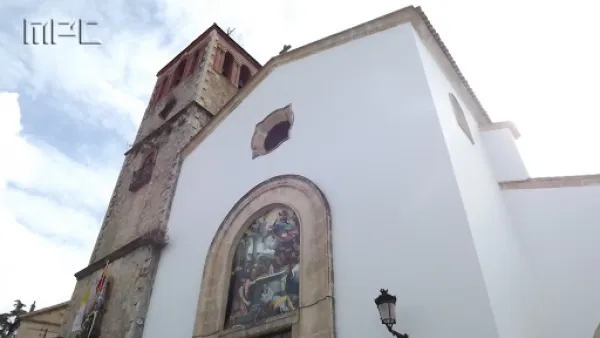
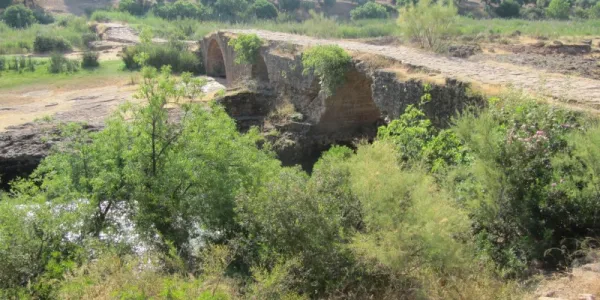
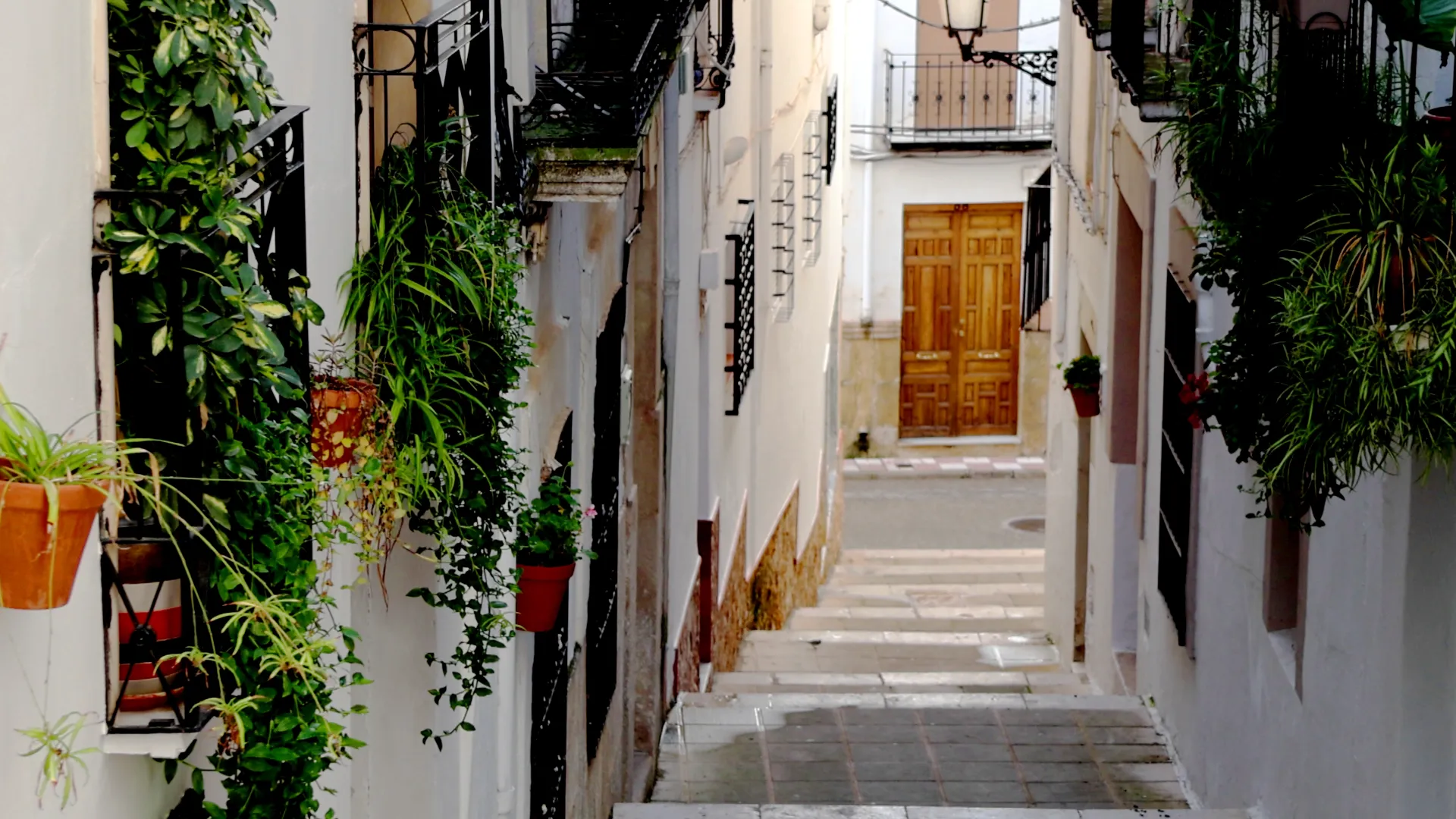
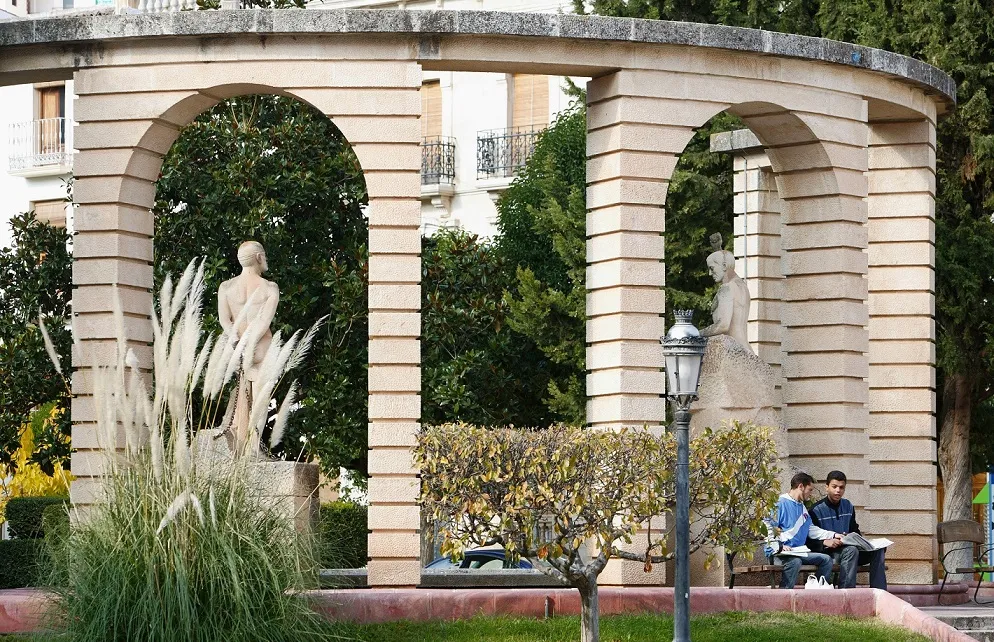
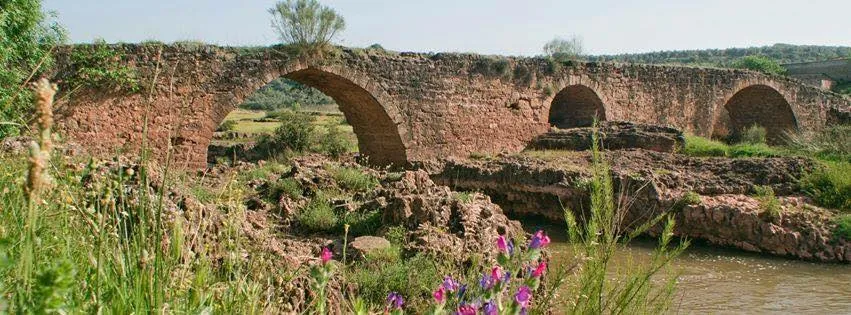
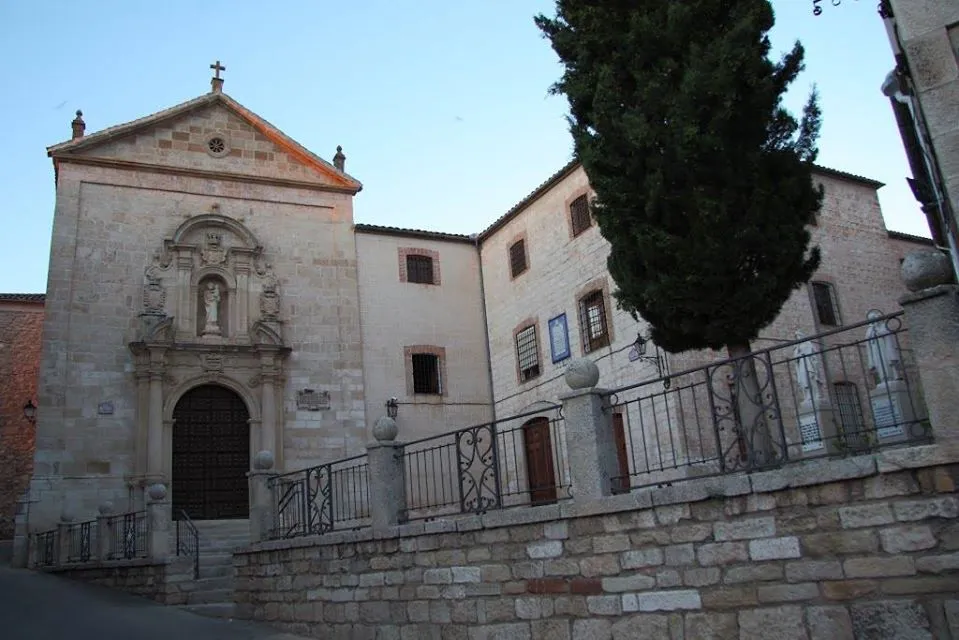
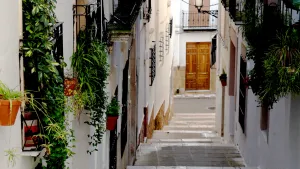
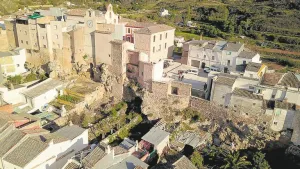
From all of which it follows that it is one of the most visited and frequented natural spaces in the country. In its term is the Embalse del Tranco de Beas, one of the most beautiful places in the entire Park. The urban core has a quiet, white and harmonious aspect, in which elements such as the Convent of the Carmelites, the Mocchio Bridge, the Parish of Our Lady of the Assumption and the Palace of the Sandovales stand out.

Is part of


Few villas may presume to have been a source of poetic inspiration from some of the most universal literates. St. Teresa of Jesus, St. John of the Cross or Francis of Quevedo were captivated by the places they found in Beas de Segura, the main population core of the Sierra de Segura, with a strategic location and a legacy full of history.
The municipality also belongs to the pedanias of Cañada Catena, Cuevas de Ambrosio, Cazona, Los Santiagos, Cortijo de las Piedras and Prados de Armijo among others. Arroyo del Ojanco also belonged to Beas de Segura, until its segregation in 2001.
It is the most inhabited municipality of the Sierra de Segura region, also one of the entrance doors to the Natural Park on the road A-314 (Segura-Cortijos Nuevos), once the National 322 (Crta. Cordoba-Valencia) has been abandoned.
Beas is a bridge that links the Campo de Montiel with the Alto Guadalquivir and forced passage from Baja Andalucía to Levante. Its name comes from the Latin term Veha which means way or way, because it is located at the crossing of three Roman tracks that are headed for the Sierra, the Levante and the County. It's across the Beas River.
It has 35 archaeological sites in its term that give proof of its history. In the urban centre we will find medieval architecture, historical of the late 19th, etc. Beas de Segura also has villages that are a delight for the visitor.
We highlight the following points of interest:
In its municipal term the traveller is surprised with a landscape of valleys and mountains surrounded by a true sea of olive trees. The orography of the term is very rugged by the countless valleys and mountains that settle. Mountains such as Pico Corencia, Eagle Stone, Cerro de la Hoyera or Las Zanjas, with heights above 1,000 meters, and places such as the Water Cave (very close to the village and divided into two orchards communicated by a small but deep lake).
The areas of the Soto, Palananas, Buenamar, Aceres, Buzo de la Nieve or Fuente Pinilla are also important and deserve the attention of nature lovers and hiking. No less suggestive is the Mirador de las Maravillas, in the direction of the village of Cañada Catena, a limestone escarpe over the valley of the Beas River that gives name to the cortijo, used as rural accommodation.
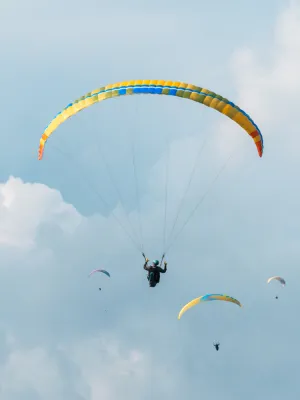
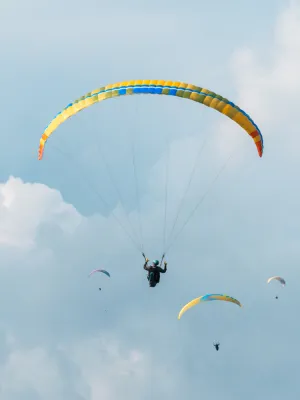
Another of the attractions of the municipality is the aerodrome of El Cornicabral, located in the N-322, about five kilometres from the city centre of Beas. It has two cross-tracks of 1,500 and 700 metres long, two hangars for 800 and 600 square metres aircraft and free camping area with service building.
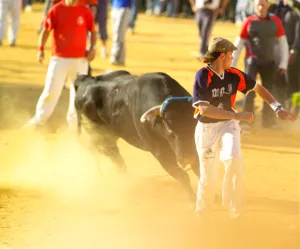
On January 23, the eve of the day of Our Lady of Peace where the lumbres burn in all the corners of the town while tasting typical products. After Holy Week The big local party is taking place. From 22 to 25 April the parties of San Marcos that bring together thousands of people from the most diverse backgrounds around the running of bravas, soaked in the streets of the town.
Although the first skirmishes, for the younger ones, begin on the afternoon of the 23rd, the adrenaline is fired when, one after another, the reses are jumping into the sand. Bulls and cows, between clouds of dust and screams of the spectators to see almost the hundred that, during the afternoon of the 24 and all the day 25, will walk the streets led by squadrons to care for and guide them with a rope of between 10 and 25 meters. After the summer period with the festivities of its different villages already held, ends the festive cycle with the fair and parties from 17 to 20 September in honor of the Our Lady of Peace.
Beas was always a land of passage for the transhuman pastors who crossed the manchegan lands looking for the pastures of the south for their cattle.
The fruit of this pastoral heritage, in Beas, the pastoralist cakes, made of flour, water and salt and amassed in a curted sheep or goat skin that the pastor carried on his journey, have been preserved. These cakes are the basis of other masses that are incorporated into the peas, such as the andrajos or galians, where the mass is cooked next to the hunting meat and sometimes with pieces of cod.
To highlight also the Easter bannazos, with several eggs cooked.
Beas de Segura is a villa full of history. Their occupation is documented from the Lower Paleolithic. It was in Roman times that Beas was consolidated as an urban core. From that time there are many tracks, such as villas, streets or the emblematic Mocho Bridge.
During the Islamic period, the stage of the highest splendor of Beas was reached in the time of Abdeleran III where it was part of the great district of the Alpujarra and Elvira. From that time it was its fortified enclosure, now already missing. Fernando III conquered Beas between 1224 and 1227 by joining her in the Crown of Castile, giving as an award to his Chancellor Don Juan, Bishop of Osma, the castle and the Villa of Beas, and this in turn the exchange with the Master of Santiago in exchange for inheritance. The title of Villa and other privileges received it in 1239, and in the 16th century, according to the Topographic Relations of Philip II, Beas appears as a flourishing economic center in the area of Segura, with a strong agricultural activity.
After the Reconquista was first included in the territorial demarcation of Toledo and within the Order of Santiago's Order, then passed to the Dependence of the Governor of Segura. Thus he was part of the Segura Common and all his territory was governed by the Ordinances. It was a crossroads of roads, hence its primitive name of Veha (way or way). Here are the three Roman tracks that were heading for the mountains, the Levante and El Condado.
At present, Beas is one of the main economic centres of the Sierra de Segura, whose region presupposes pride despite the fact that in the past it did not belong to the Segura Encomandación. Through the Beas River, the town is on horseback between the Sierra de Segura and the lands of El Condado and Sierra Morena. Beas de Segura offers the traveller a legacy impregnated in history, as demonstrated by the 35 archaeological sites located in its term.
The oldest pieces, including those of the Mocchio Bridge, are preserved in the archaeological section of the Provincial Museum. Beas is one of the doors of the Natural Park of the Sierras de Cazorla, Segura and Las Villas and an excellent starting point for entering the interior of these majestic lands.
Before, the traveller can walk his urban town, between narrow and tortuous streets that bear witness to a rich medieval and historical architecture of the late 19th century, such as Ángel Uceda Street and the building of the Old Carniceria. However, his main monumental claim is the Convent of the Descalzas Carmelites, which Saint Teresa of Jesus founded in houses owned by Catherine Maria de Sandoval and Godínez.
In a Renaissance style, the convent has a baroque cover and is structured with the classic half-point arch on imposts, with mensula in the key and rosettes. On the friso with triglyphs there is a split fronton and shields that frame the pilasters and bake with San José and El Niño. On the niche, the shield of the Order. A large triangular front and pinnacles kill the facade.
An appeal that captivated the greatest mystic poets: Santa Teresa, for whom this land was "most delightful and of a fine climate," and San Juan de la Cruz, who was constantly travelling to and from Beas from the various places his duties took him.
The presence in the town of illustrious figures such as Santa Teresa de Jesús, San Juan de la Cruz and Ana de Jesús reinforces Beas's importance in the reform of the Carmelite Order.
12
7
13
7