Saltar al contenido principal

Baños de la Encina

MUNICIPIOS
  • baños de la encina
  • bb43412b-0b09-92e1-b5dd-2a3baaeef265?t=1616762819308
  • 6e061618-da10-6b26-ebe5-300517ba8230?t=1616763048514
  • 74310b79-8179-fae7-5b3e-b576735fa133?t=1616763048565
  • 62832d7e-b9c5-e2e7-8c96-eaa006430cf6?t=1616763048614
  • 7d8309d2-8fe8-afaa-52e1-30fa5ffd4344?t=1616763048663
  • 5ad5a6f6-be90-af33-a942-c398c15eac8e?t=1585087446209
  • b8fc307b-b54e-2067-4fa8-d7b7e20df730?t=1616763335903
  • e80f5c5a-9de3-0a08-2ea9-d6e40613fec0?t=1616763335957
  • d5d6f262-ceaa-09c3-3124-4f3017e71822?t=1616763336007
  • 5be66f78-cbbc-a026-651d-ffaef3679132?t=1616763336058
  • 48647967-2b83-bcef-38bc-adf042b0be7d?t=1603119701256
  • 8c045208-3641-3c84-2c69-e31fba4f077c?t=1616763336138
  • 87fdbe3b-186b-19bd-8f89-e4a40bd26929?t=1616763491946
  • 058a9ced-9222-cd95-ed71-43d8be494159?t=1616763492048
  • e6f47c26-b02d-fa14-8b66-df7a4cee0858?t=1616763492173
  • 6de90817-a9cc-79c6-b605-f2af76b1648f?t=1616763336188
  • d4bc33bd-166f-3120-184e-4f2e5b6efdd7?t=1616763336243
  • 1a4b34e9-0517-fd82-1815-920fb58433f6?t=1616763492470
  • 798beea5-5af1-63e7-ac7d-4dceabb4b9ee?t=1616763492614
  • 9c5a19f0-40c7-8be4-dbf1-e323dfae9bf9?t=1616763336434
  • 43bfe44f-fb3e-b00e-99ad-015db6e53e10?t=1616769905170
  • baños de la encina
  • bb43412b-0b09-92e1-b5dd-2a3baaeef265?t=1616762819308
  • 6e061618-da10-6b26-ebe5-300517ba8230?t=1616763048514
  • 74310b79-8179-fae7-5b3e-b576735fa133?t=1616763048565
  • 62832d7e-b9c5-e2e7-8c96-eaa006430cf6?t=1616763048614
  • 7d8309d2-8fe8-afaa-52e1-30fa5ffd4344?t=1616763048663
  • 5ad5a6f6-be90-af33-a942-c398c15eac8e?t=1585087446209
  • b8fc307b-b54e-2067-4fa8-d7b7e20df730?t=1616763335903
  • e80f5c5a-9de3-0a08-2ea9-d6e40613fec0?t=1616763335957
  • d5d6f262-ceaa-09c3-3124-4f3017e71822?t=1616763336007
  • 5be66f78-cbbc-a026-651d-ffaef3679132?t=1616763336058
  • 48647967-2b83-bcef-38bc-adf042b0be7d?t=1603119701256
  • 8c045208-3641-3c84-2c69-e31fba4f077c?t=1616763336138
  • 87fdbe3b-186b-19bd-8f89-e4a40bd26929?t=1616763491946
  • 058a9ced-9222-cd95-ed71-43d8be494159?t=1616763492048
  • e6f47c26-b02d-fa14-8b66-df7a4cee0858?t=1616763492173
  • 6de90817-a9cc-79c6-b605-f2af76b1648f?t=1616763336188
  • d4bc33bd-166f-3120-184e-4f2e5b6efdd7?t=1616763336243
  • 1a4b34e9-0517-fd82-1815-920fb58433f6?t=1616763492470
  • 798beea5-5af1-63e7-ac7d-4dceabb4b9ee?t=1616763492614
  • 9c5a19f0-40c7-8be4-dbf1-e323dfae9bf9?t=1616763336434
  • 43bfe44f-fb3e-b00e-99ad-015db6e53e10?t=1616769905170

Description

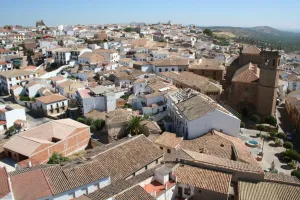
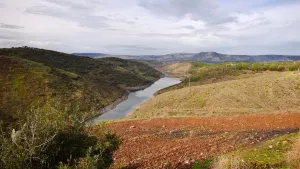
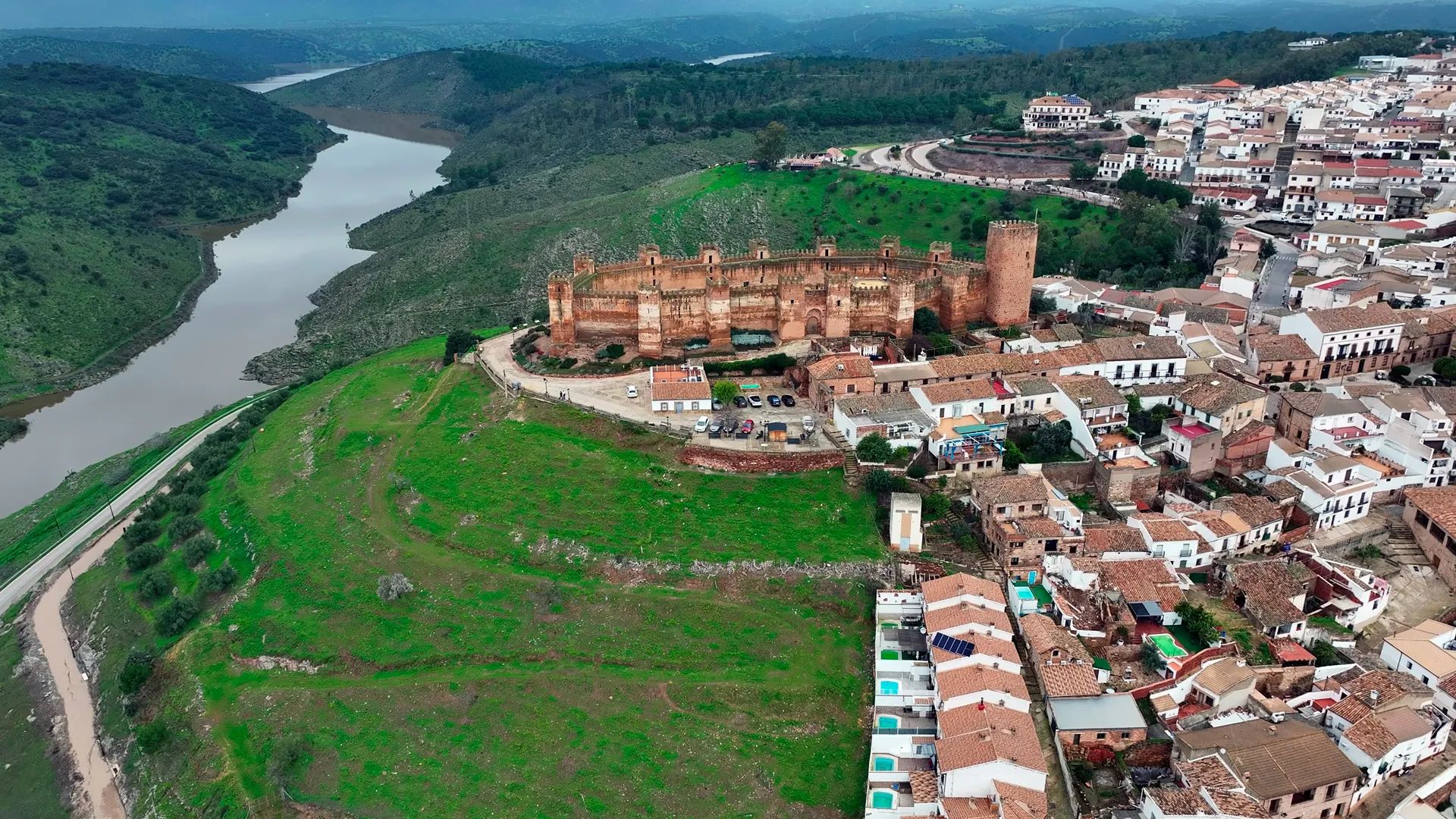
Baños de la Encina is a town located to the north-west of the province of Jaén, in the heart of Sierra Morena, being part of its municipal term included in the Sierra de Andújar Natural Park.

It is a town characterized by a rich cultural and natural heritage. Its abundant natural enclaves have a high ecological and landscape value.

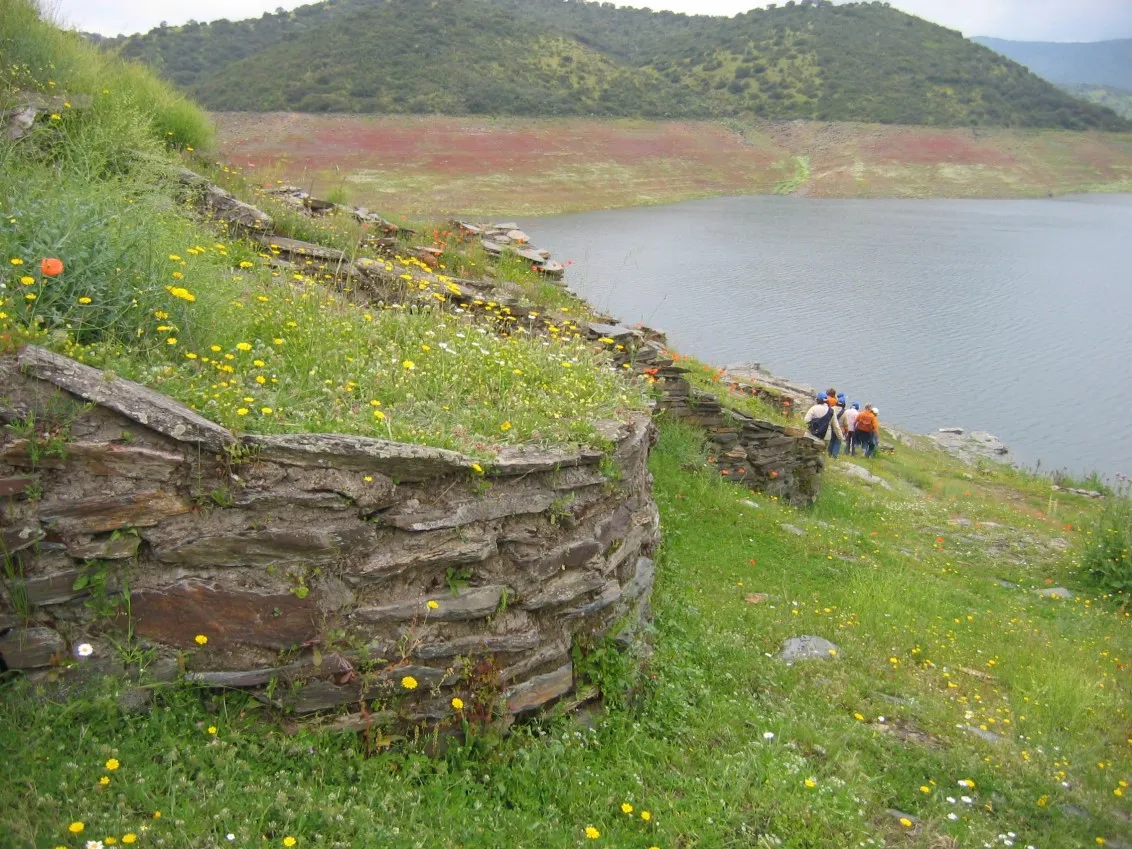
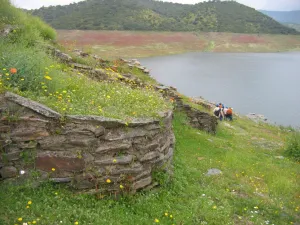
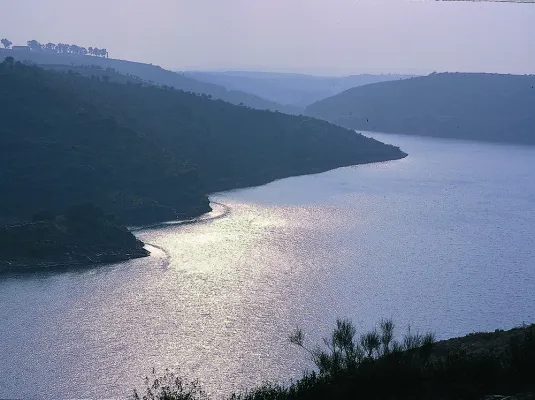
The Rumblar reservoir or the brazen cattle shops give special beauty to the bathing landscapes. A picturesque place is the town of El Centenillo, a pedany with a past linked to mining that has inherited us very interesting vestiges of that extractor activity maintained until the second half of the 20th century.

Tourist Office

Oficina Municipal de Turismo:

  • Avda. José Luis Messía, s/n. Centro de interpretación “Torreón del Recuerdo”
  • Tfno.: 953 613 338
  • https://www.laencinaturismo.com/
  • De Martes a domingo (lunes cerrado): de 10:00 h. a 13:30 h.
  • De Jueves a domingo: de 16:30 h. a 18:30 h. (verano de 18:30 h. a 20:30 h.)

Useful Information

Tourist area: Sierra Morena / Sierras de Andújar
Distance to the capital (km): 52
Altitude over sea level (m): 420
Extension (Km2): 392
Number of inhabitants: 2582
Gentillo: Bañuscos
Postal code: 23711

Is part of

AUDIOVISUAL CONTENT

MORE INFORMATION

Culture

Baños de la Encina has accumulated a rich artistic heritage that has been able to preserve and care for. To visit it is to connect with the tracks of other peoples and cultures that have passed through this territory.
From its heritage, we highlight:

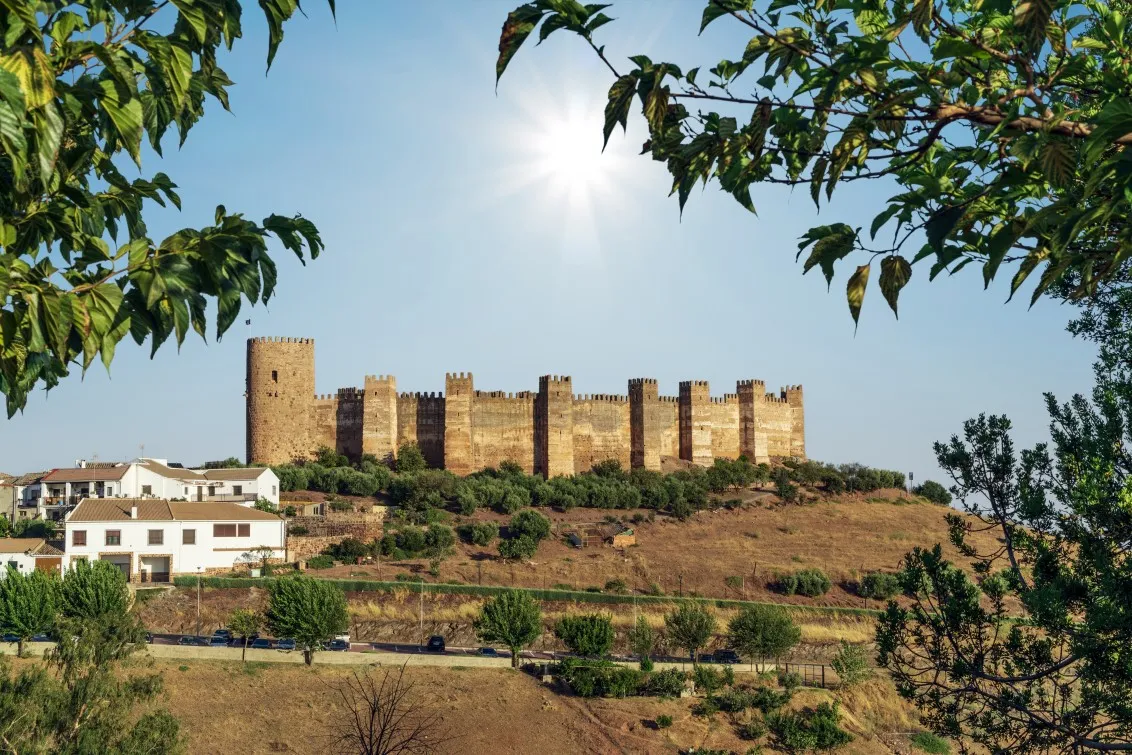
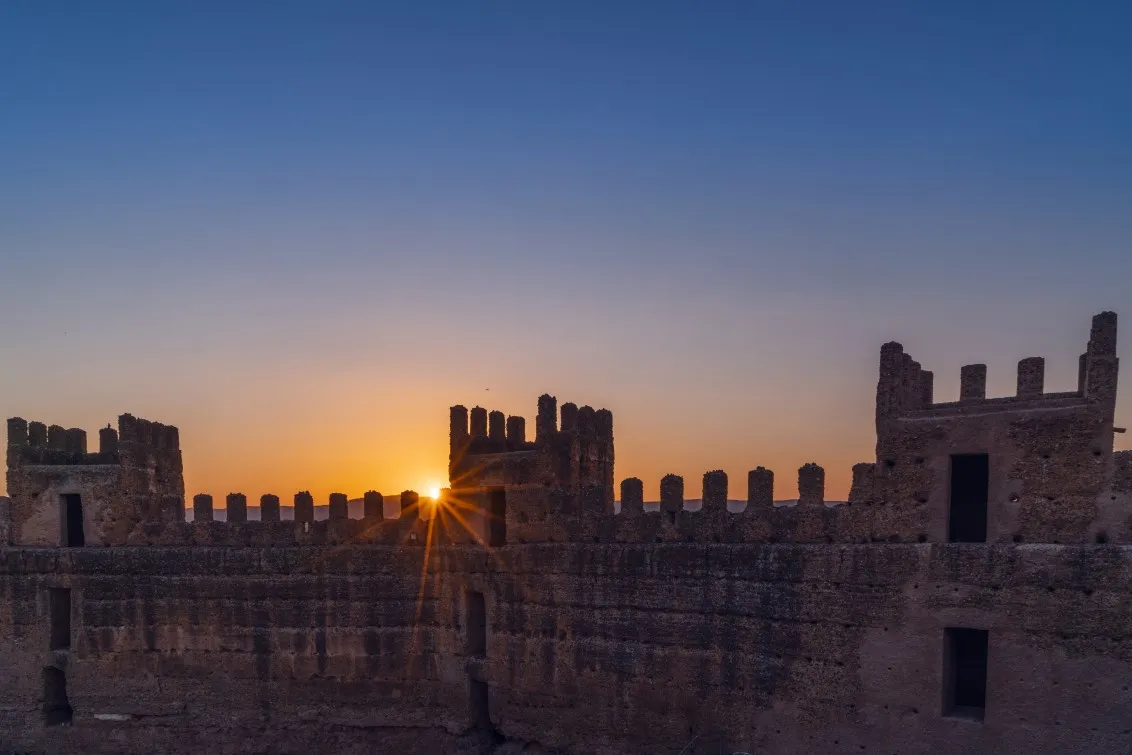
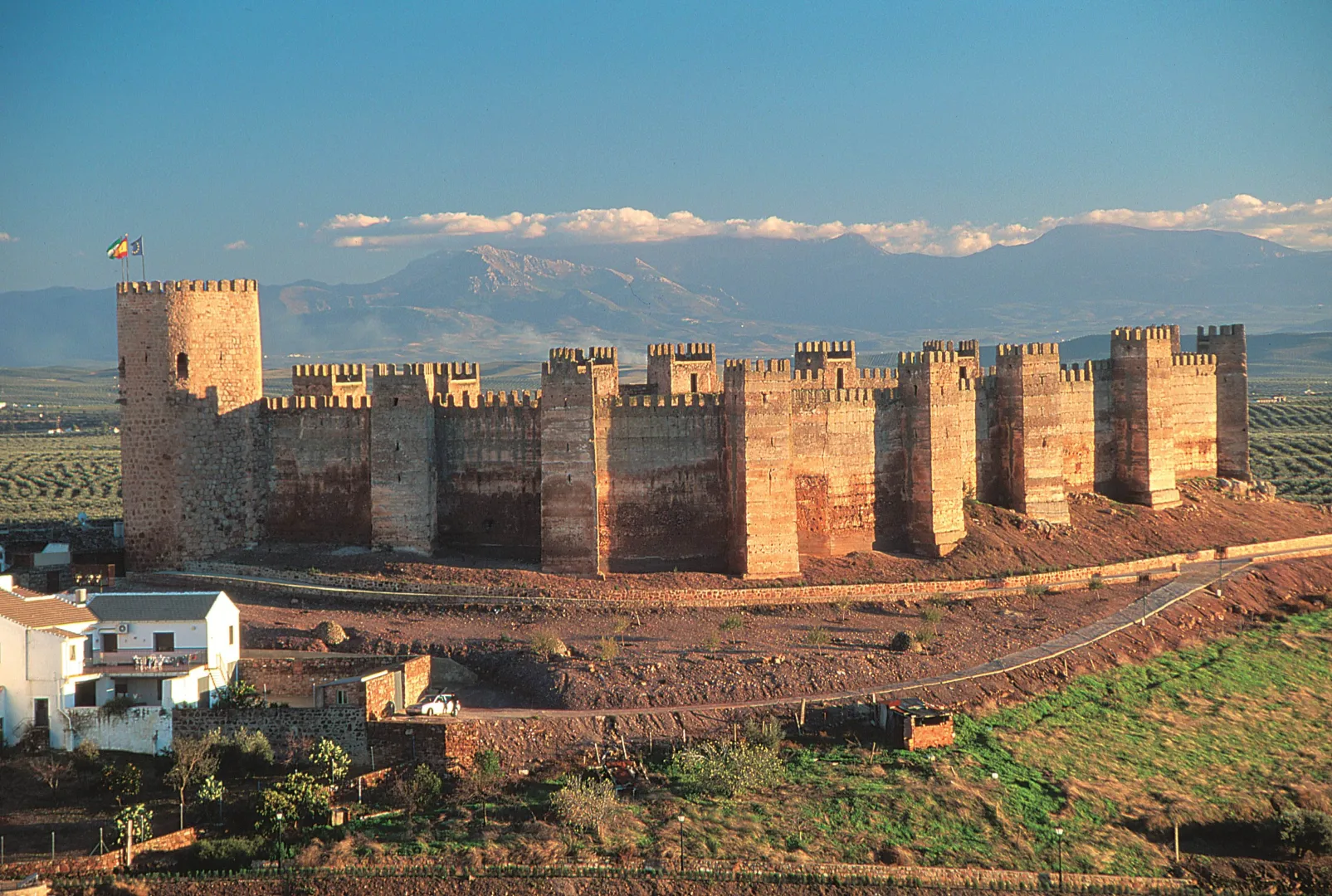
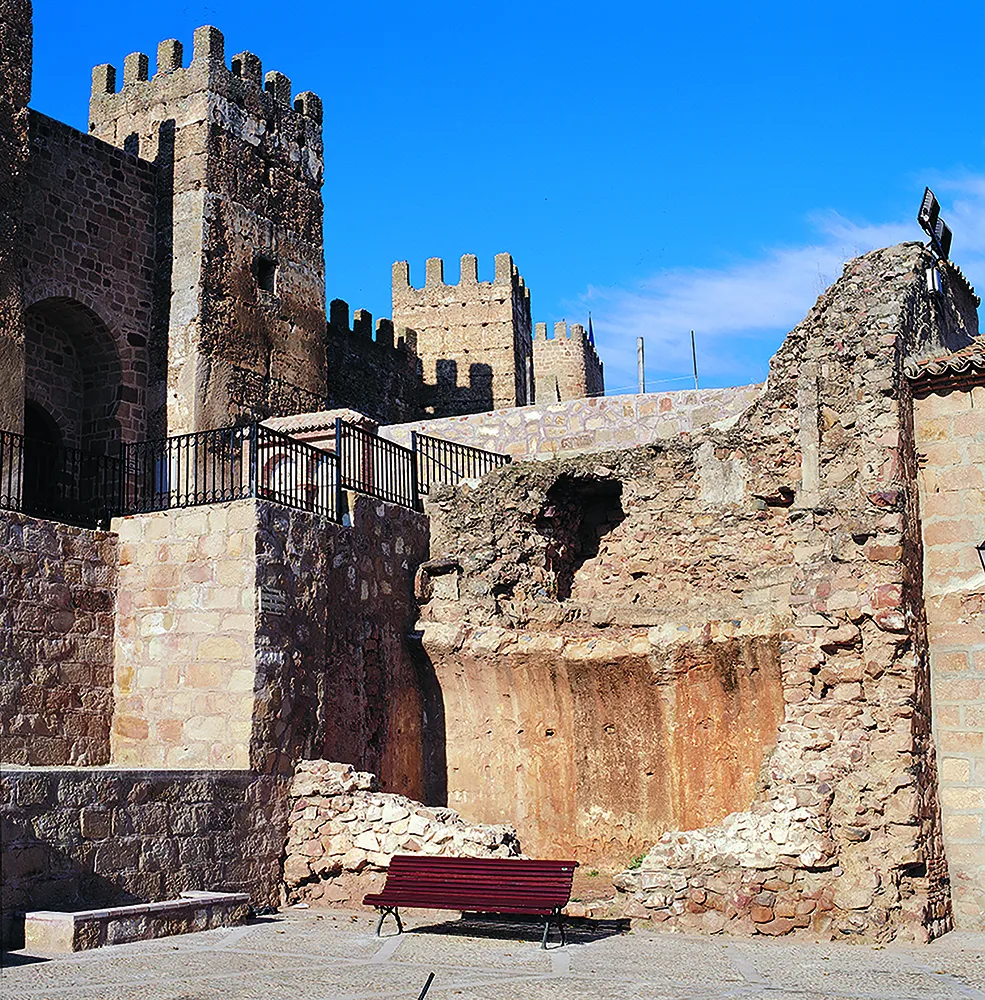
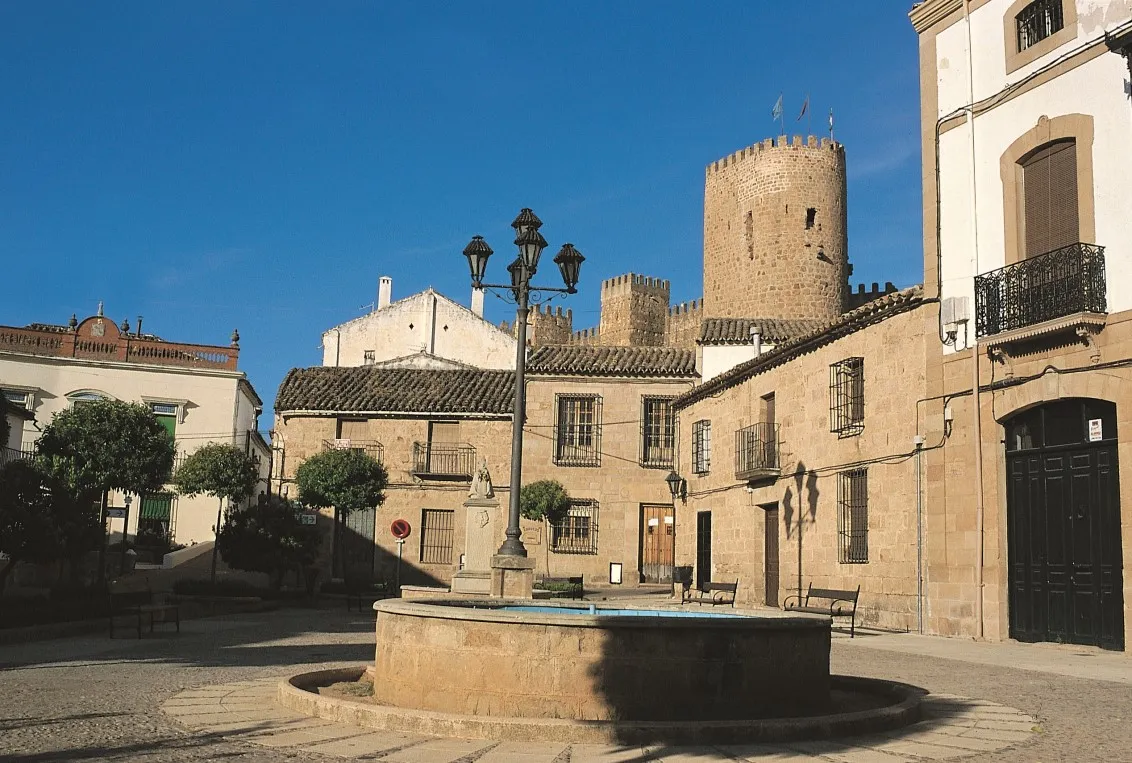
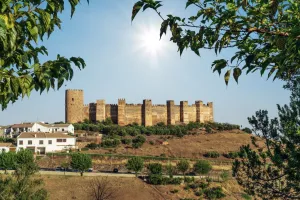
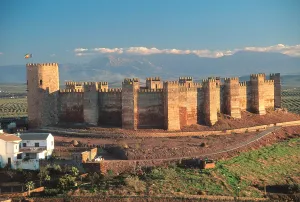
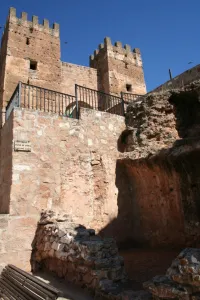
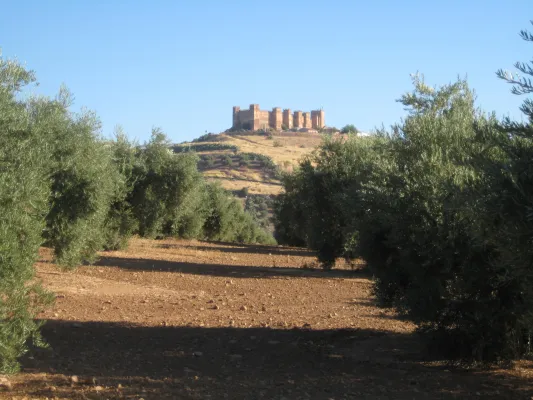
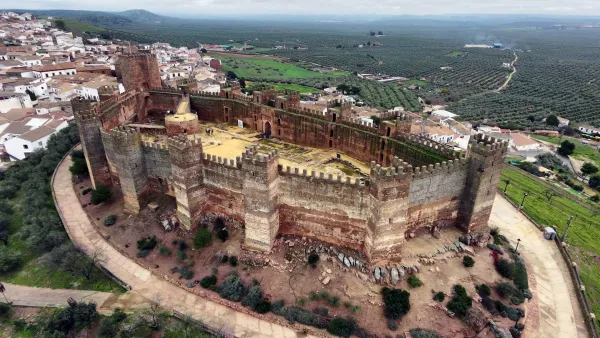
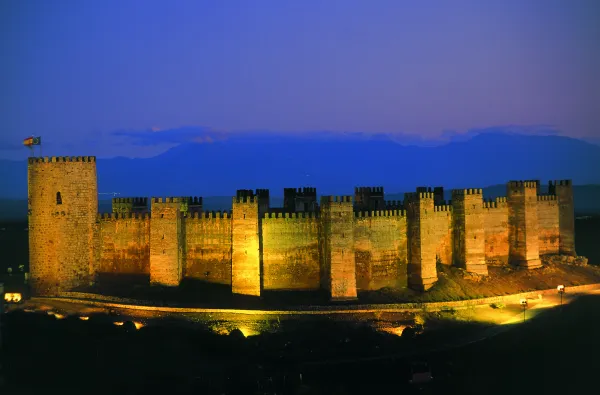
  • The castle of Bury al-Hamma (Burgalimar). The impressive silhouette of the castle dominates the rural landscape of Baños de la Encina. He rose in 968, in the califal period. It is flanked by a sturdy, almond wall with 14 towers, plus the Christian tower of tribute, and it has suffered little damage, constituting the best preserved fortified set of the time. The main Christian modification was introduced on one of the original 14 turreons: the Tribute Tower (also known as the "Gorda Tower"). This tower does not look to the countryside, but to the interior of the population, projecting itself above it, which indicates the transformation into a church building. It is Gothic and is built with irregular masonry, presenting cylindrical shape to the outside.
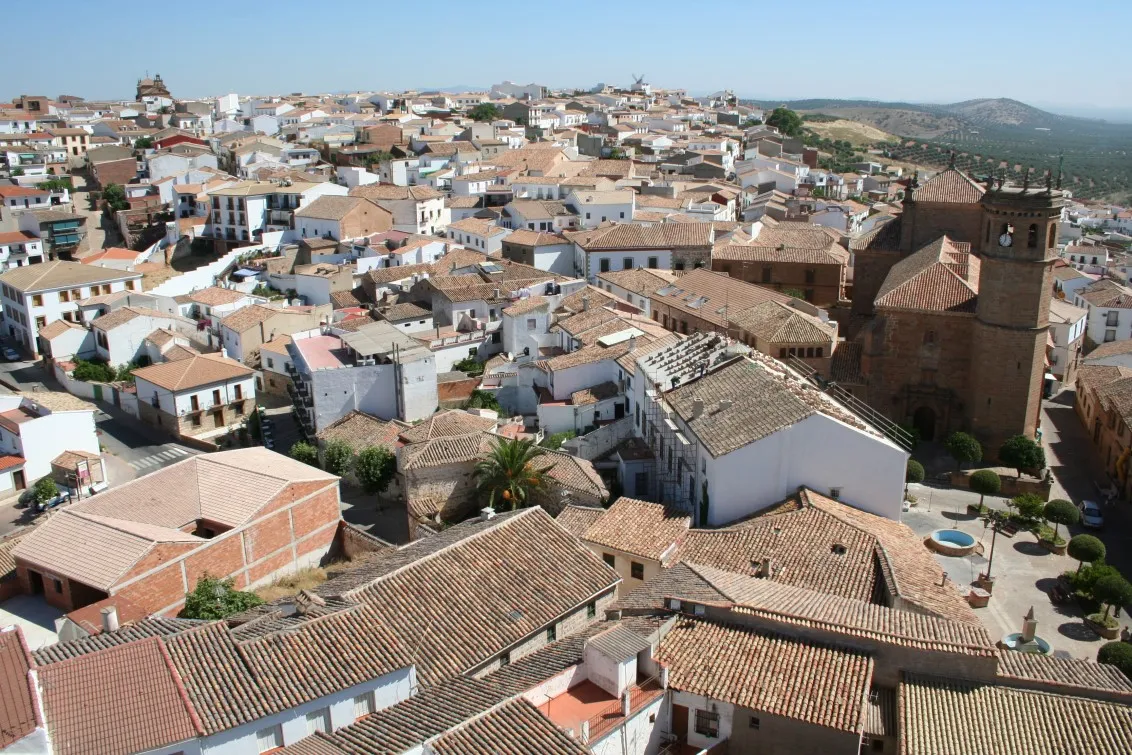
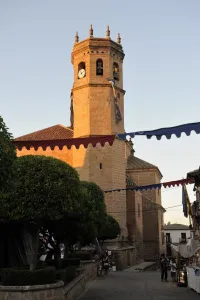
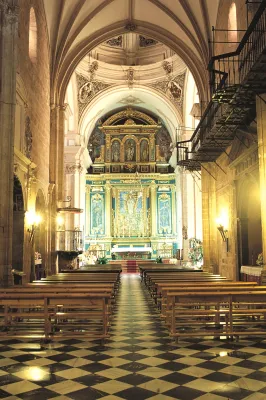
  • The Church of St. Matthew. It is Gothic, although the tower has Renaissance finishes, as does the main cover. The most important element in it is the sacred one, one of the jewels of the sacred art of the province dating from the 17th century. It is built of ebony wood, ivory, silver and shell of Carey that make up a plateau with baroque dome, framed by four columns of shell with capitals and silver basements.
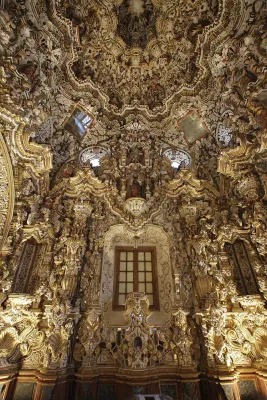
  • Hermitage of the Jesus of the Llanus. Located in the middle of the Mesteño (sheep) rest, this sober building is raised, with a single ship and a bell tower in swordsman on the main facade. The construction takes place from the 16th to the 17th century. What surprises the interior is the Camarín Tower of the venerated image. Of clear granadine influence, it is a manifestation of the most expressive baroque of the 18th century.
  • Hermitage of the Virgin of Encina. The shrine of the Virgin of Encina is 4 km away. from Baths. It was built on a smaller and primitive one from the late 13th and early 14th century. In the 17th century a remodeling was carried out, leaving it as it is today.
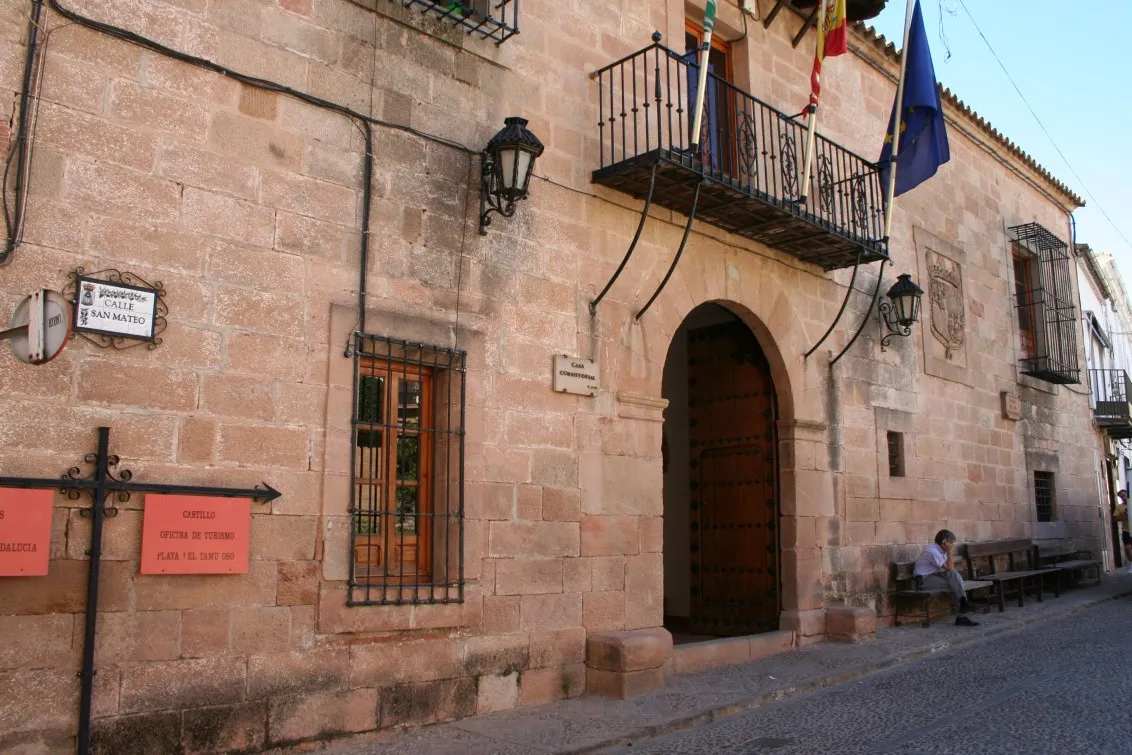
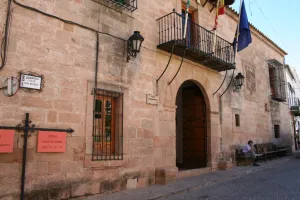
  • Conistory house. It dates from the 16th century, and stands out for its sober and simple aspect, nuanced by the simplicity of the grating. The cover is made up of a half-point arch, on which a balcony is opened with the typical bathrobe.
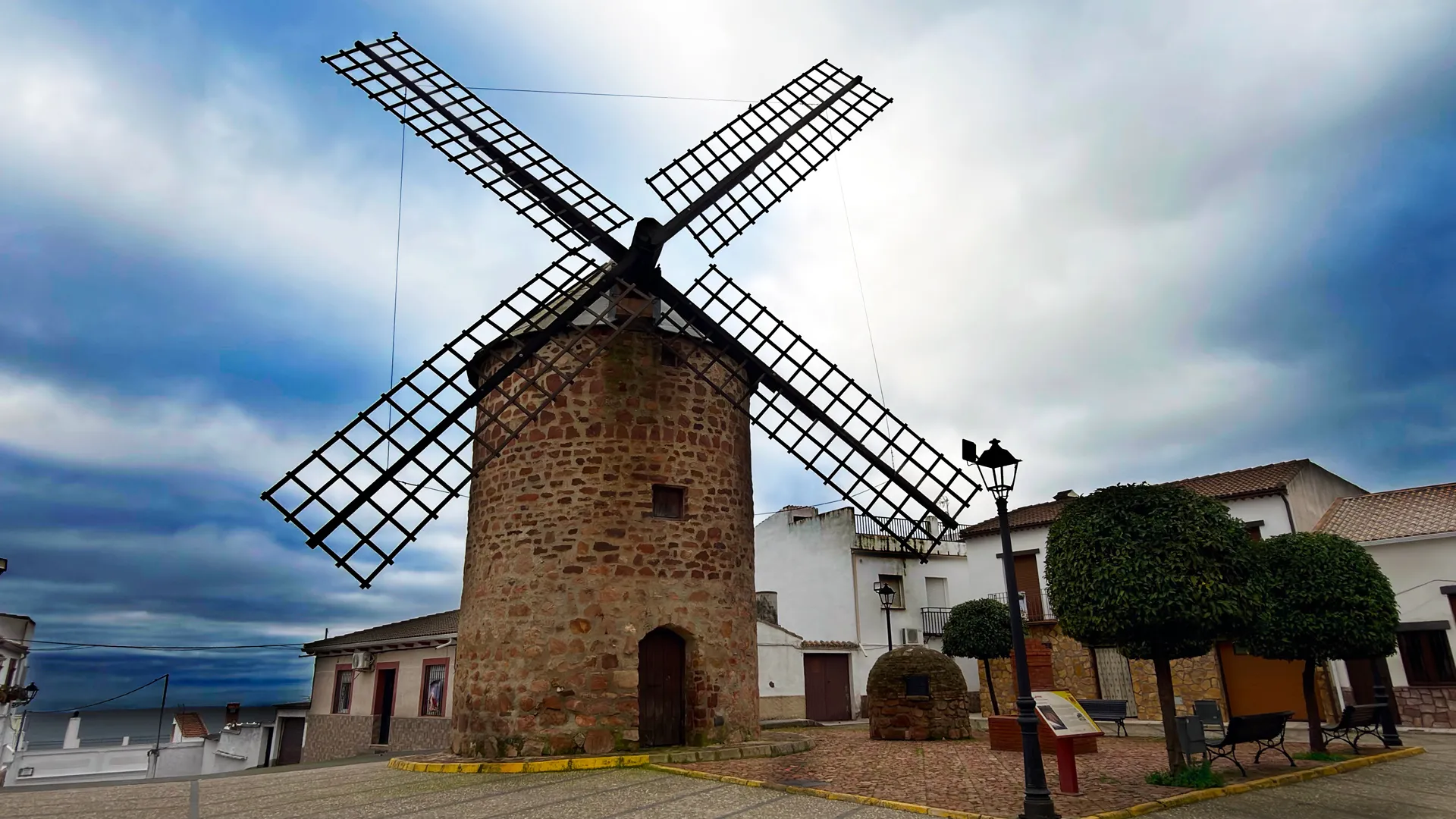
  • Wind Mill. Old wind mill of the 17th century, located in the upper part of the municipality.

Nature

The Centenillo. It is a pedany that is located north of the municipal term and is located 18 km away. of the town of Baños de la Encina. A very old population, a result of the exploitation of their mines.

The year 1865 is the best time in this town, with the arrival of English entrepreneurs and the creation of a mining group that grouped 41 mines. A splendor that will be extinguished in 1963, year in which all the mines will be closed, passing the neighbors to live from the cynegetic activity.

To visit this landscape enclave to see the remains of the mining activity is to immerse us in the mining environment of that time: town of the miners, houses of the English leaders, scavengers, vagonets, laundry... Don't miss it!

Parties and Events

In addition to the celebrations of Christmas, Carnival or Holy Week, the following festivities are held in Baños de la Encina:

  • La Candelariawhich is celebrated on February 2 and the neighbors gather around great bonfires made with "ramon," remains of the pruning of the olive trees, as they eat, drink, sing and dance.
  • Romeria of Jesus of the Way. It is celebrated on the first Sunday of May, as before the great day of the Romeria de la Virgen de la Encina. This hermitage is on the way to the hermitage of the Virgin of Encina.
  • May Patronal Festivals. They take place during the second weekend of May. The main event is the Romeria de La Virgen de la Encina, in which on the 2nd Sunday of May, the image is moved to the sanctuary and all the bathrobes are accompanied by gilded carts, gilded horses or on foot. All with music, fair houses and good wine.
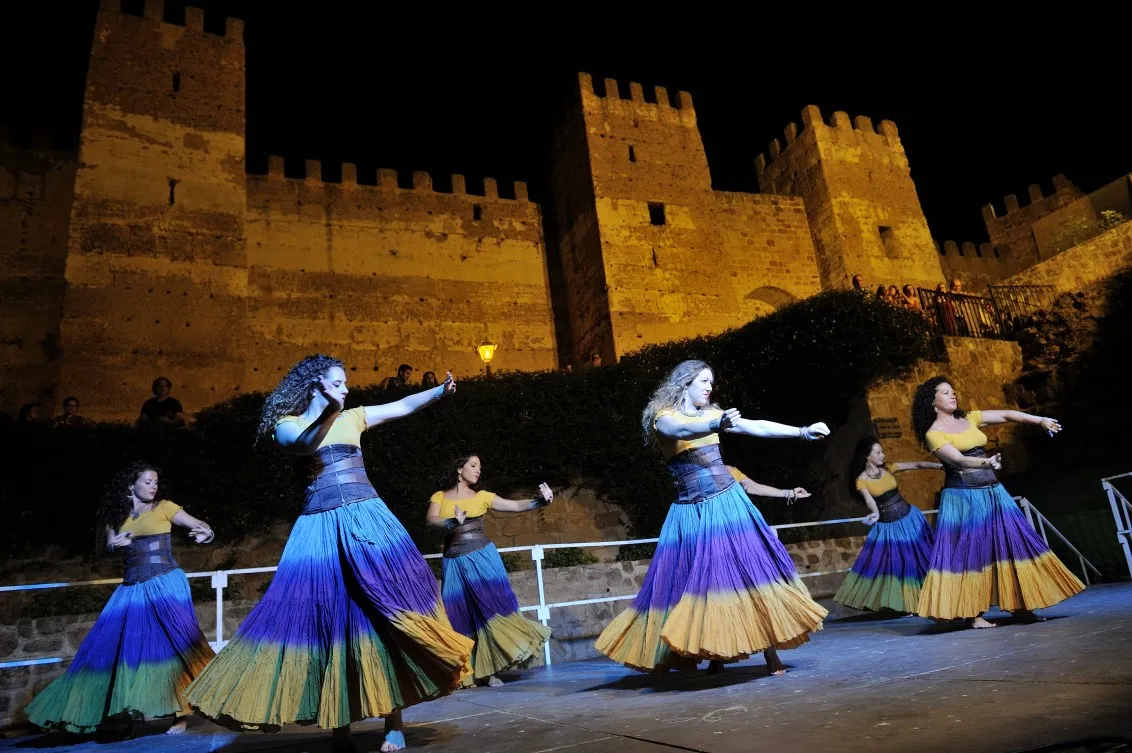
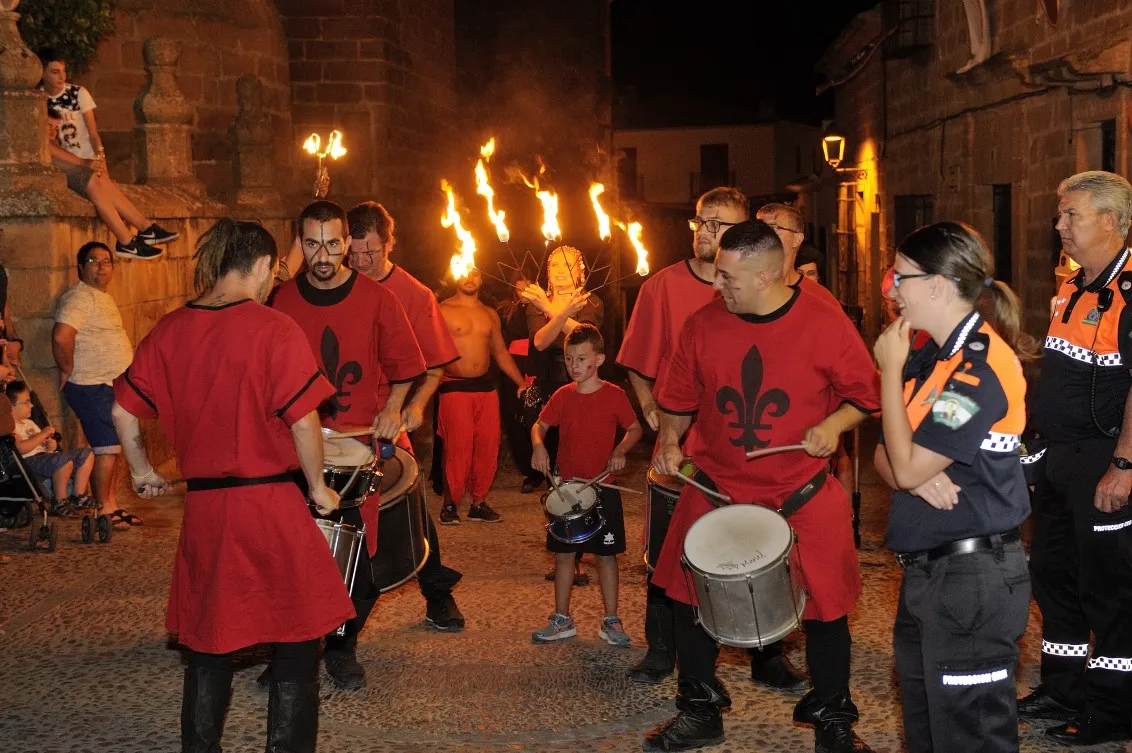
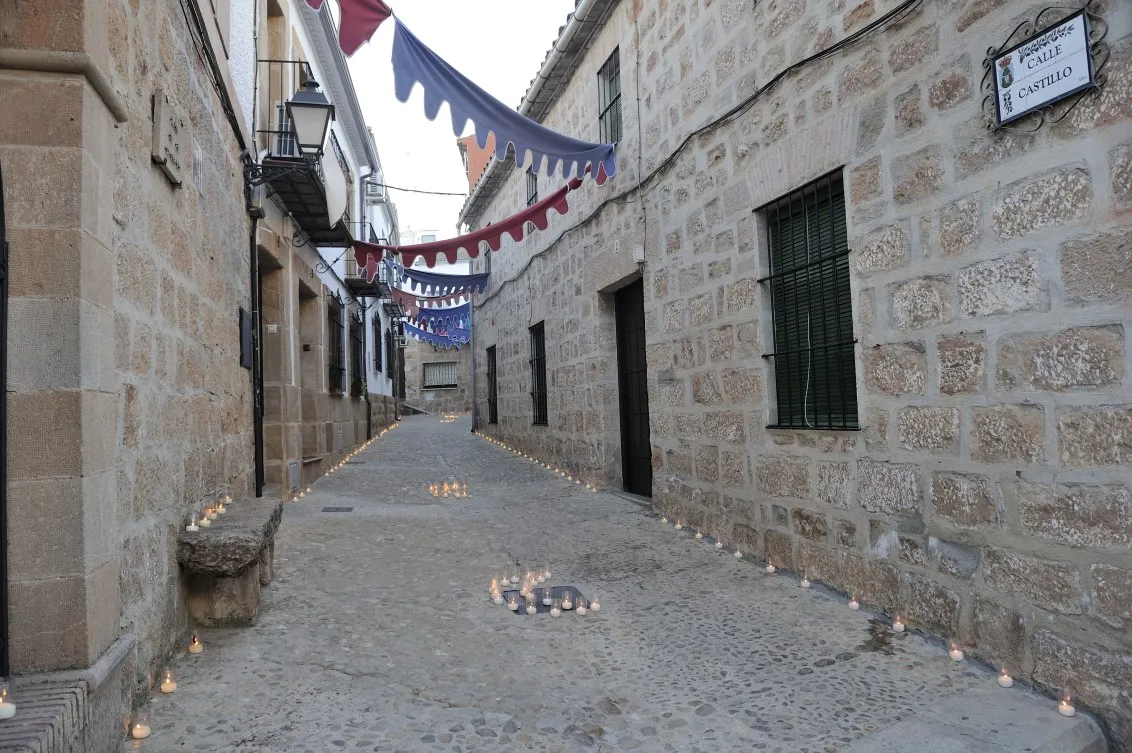
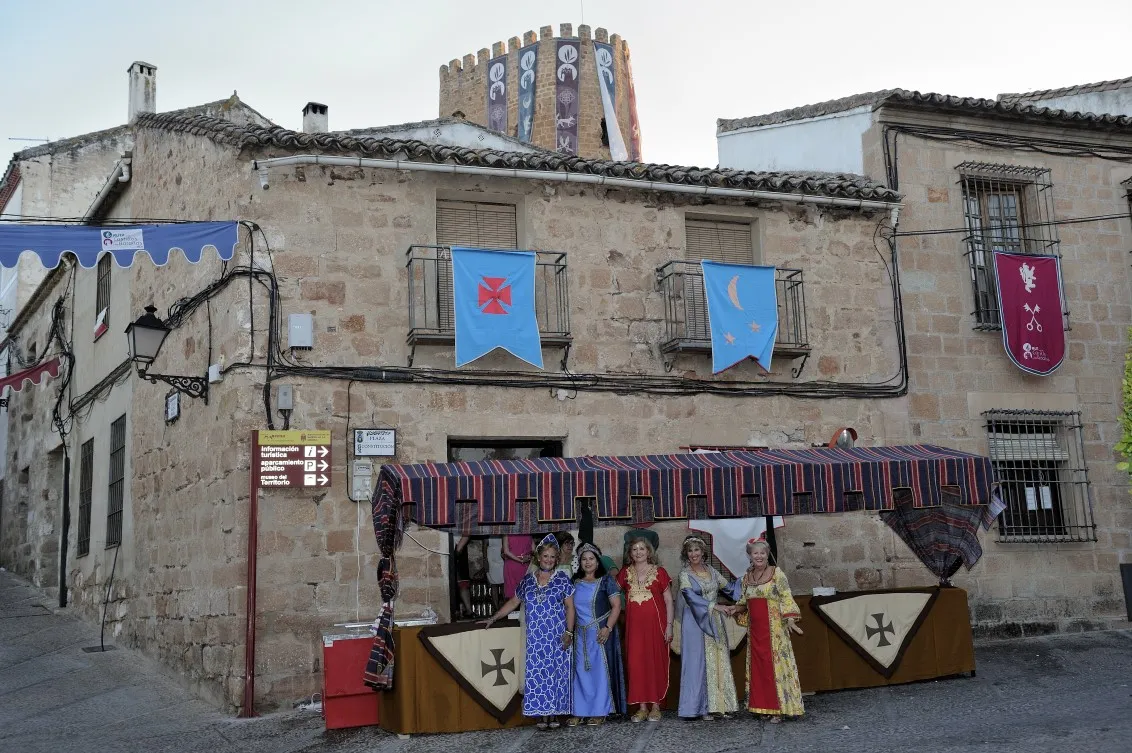
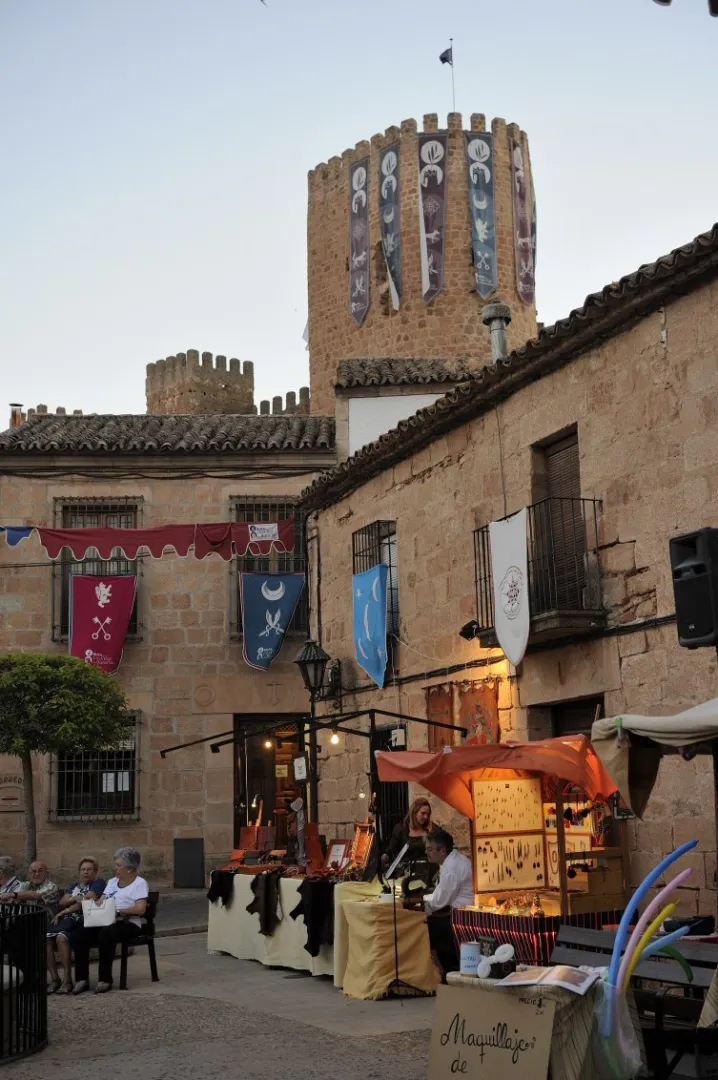
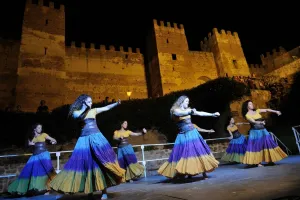
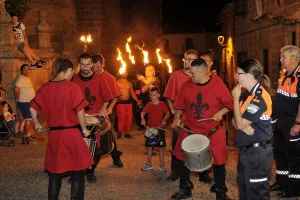
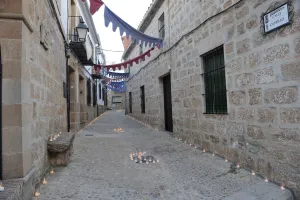
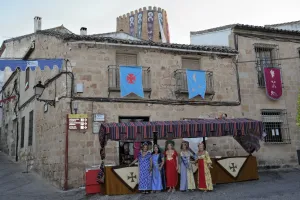
  • Medieval parties. They have been held for a few years in the square and the castle. Artisans stand, dramatic representations of the castle's take between Moors and Christians, stories of the time and dances.
  • Emigrant party. A party that takes place around the 15th of August, in honor of the bathrobes that are outside the village, with various cultural and sports events, in addition to the procession of the Virgin of Encina, which carry the migrants who cannot come to the rosemary. In the end, a migas contest, in which more than a hundred rocks participate, extends along the explanade.
  • Feast of All Saints (1 November). It is certainly one of the most rooted parties in Baños. This day men, and also women, form groups or "parañas," leaving the town leaving to cordijillo or huts of the saw, where they spend several days with their nights, dedicated to hunting birds with "liria," sharing bread, wine and jokes.

Gastronomy

The extra olive oil is harvested in the town and is an ingredient that enriches and gives a special taste to the gastronomy. Hunting meat, from both minor and major game animals, will also be the protagonist of many dishes.
Among the most typical, we highlight:

  • Knives, it is a "bread song" (what is left of a bread after taking off the miga) with oil and tomato that is accompanied by the traditional olives, beans, radishes and cod.
  • Carne de monte guisada (boar or deer). Due to the proximity of Sierra Morena there is an abundance of hunting, both smaller and larger.
  • Sweet peas, also called healthy gachas.
  • Migas serranas or healthy migas, are accompanied by melon, radishes or chocolate.
  • SobaA big, crispy oil cake.
  • Cigarettes, which can be acquired in any of the bakeries of the village. They are used in a special way at Easter.
  • Other typical products are: Coiled olives in various ways, honey, royal jelly, capers and capers in vinegar.

History

The settlements in these areas have been documented since early prehistoric times. The geological characteristics of the area, where there are cracks, cannons, caves or natural shelters, served to leave us evidence of its rock art. Thus:

  • The settlement of El Tambor dates back to the Copper Age.
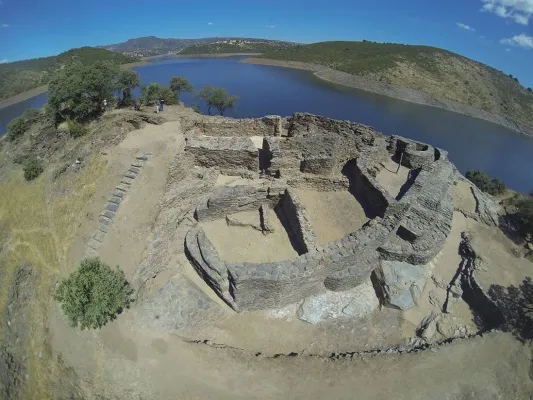
  • And to the Bronze Age would correspond the three settlements that are located on the banks of the Rumblar River, with habitat on terraces and with powerful fortification systems: The Veronica, Peñalosa and Cerro de la Obra.

In the second millennium BC the mining of deposits rich in copper and bronze began. This would attract the Mediterranean civilizations of Greeks and Phoenicians.

During Roman times, In particular during the Empire, the exploitation of the silver mines and traces of this mining past we found them in The Centenillo, a paedania of Baños de la Encina. There are still traces of this exploitation in what is called the Roman trench of the Polygon.

In the period of Al-Andalus The fortress was built, which ended in 968 and was ordered to be built by Alhakem II.

The first Christian conquest will be carried out by Alfonso VII in 1147. It will then be passed from Christian to Arab hands to the final conquest in 1225 by Fernando III, the Holy One. This new territory will be incorporated into Baeza until 1246.

During the century XV It was the scene of clashes between the Constable Iranzo and the Maestres of the Orders of Calatrava and Santiago, a faithful reflection of the confrontation between the nobility and the Modern State.

At the end of the 17th and early 18th century the villa will take a new impulse with the intensification of agriculture and livestock.

But it's a end of XVIII when a number of events are emerging that will undermine the wealth of the villa:

  • On the one hand, it lost territory, in 1767, by the creation of Guarroman, Carboneros, La Carolina and Santa Elena, within the New Population Plan for Sierra Morena.
  • The ecclesiastical deamortization of Mendizábal, of 1835, as well as the Madoz's civilian,of 1855, they end up with the public mountains that brought wealth to Baños.

Other information

Other places of interest belonging to the artistic heritage:

  • Court / House of Consumer. The current facilities of the Court are part of an old building for the collection of arbitrios (taxes) for the sale of perishable products in the town. Its construction dates back to the 17th and 18th centuries.
  • Hermitage of Jesus of the Way. This small hermitage is located 1 km away. of the hermitage of the Virgin of Encina, and a rosemary is performed on the first Sunday of May.
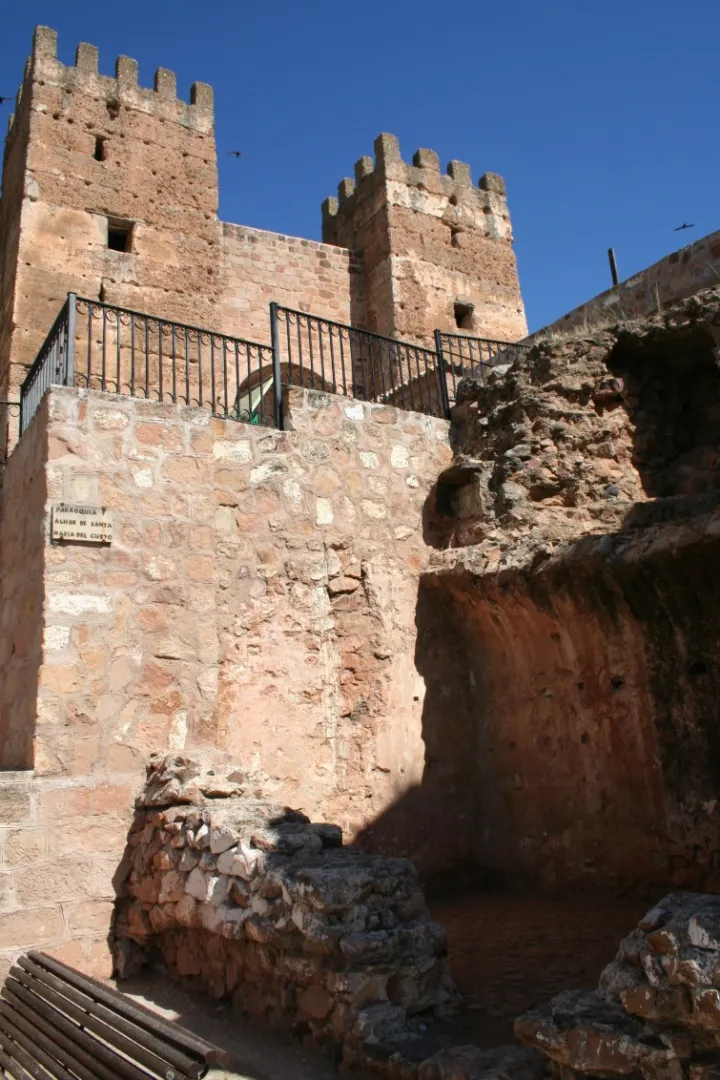
  • Ancient hermitage of Santa María del Cueto, of which part of a small tree that existed under it is preserved. These remains were dug up on the occasion of the remodeling works in the surroundings of the castle of Burgalimar.
  • Roman or Royal Road of the Port of the King. It is a stretch of a paved road of Roman origin that led from Toledo to the Guadalquivir valley.
  • Well of the Vega, It is a set made up of a well with a birch for cattle built with a cyclopean armchairs.
  • Plaza Mayor. This space located between the two hills that form the villa, equipped with water through the venero that would be the pillar of San Mateo, was a knot of encounter of the different pecuaries. It was a nerve center in the city.
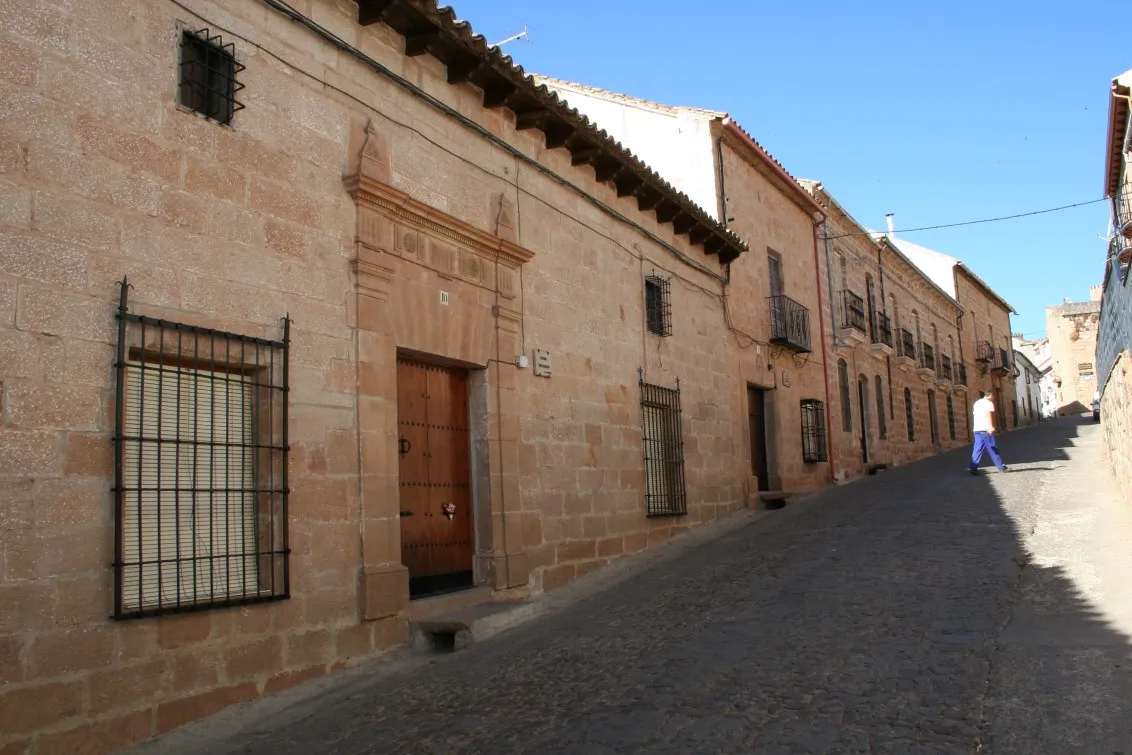
  • Lordhouses, there are many houses blasphemed with shields that leave us witness of rich families in the town, that tell us of the glorious past of the town and that have been preserved over the years.

In this municipality

14

Accommodations

4

Restaurants

4

Services

14

Events

We recommend