Tourist Office

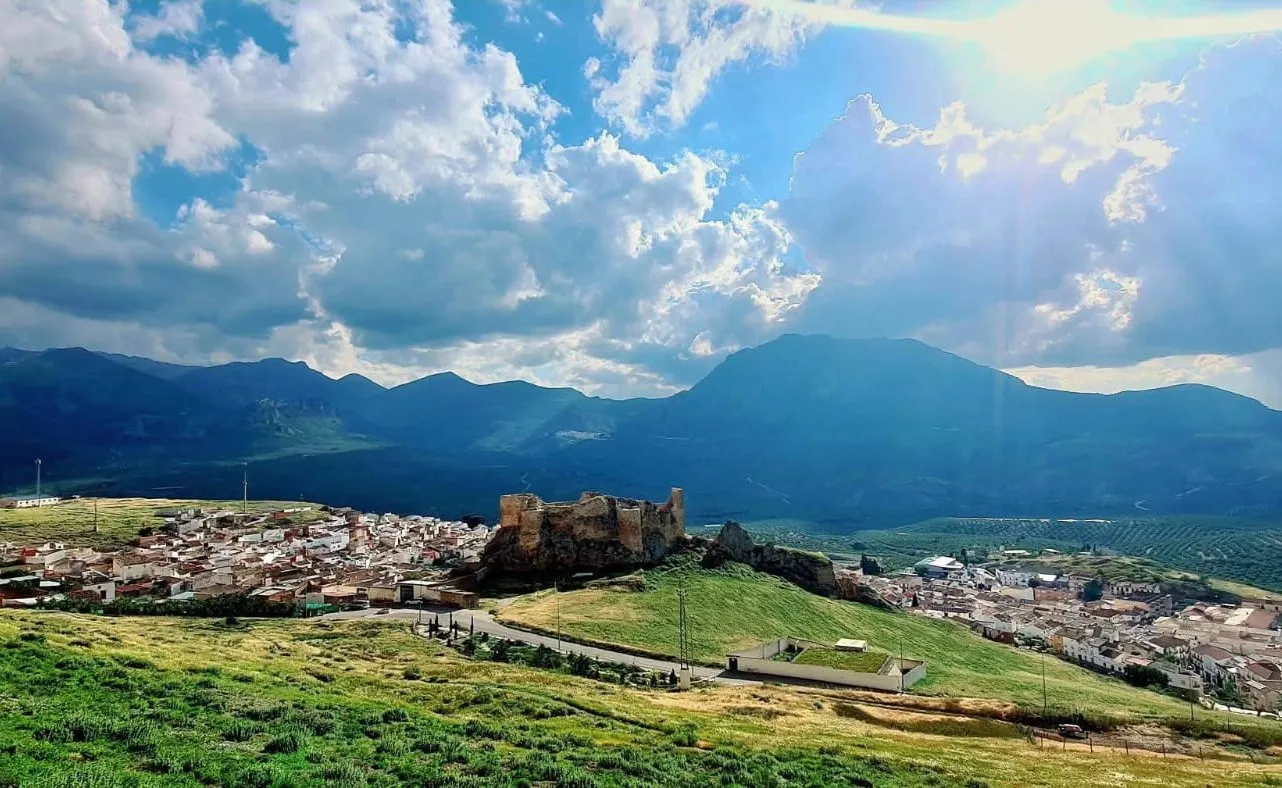
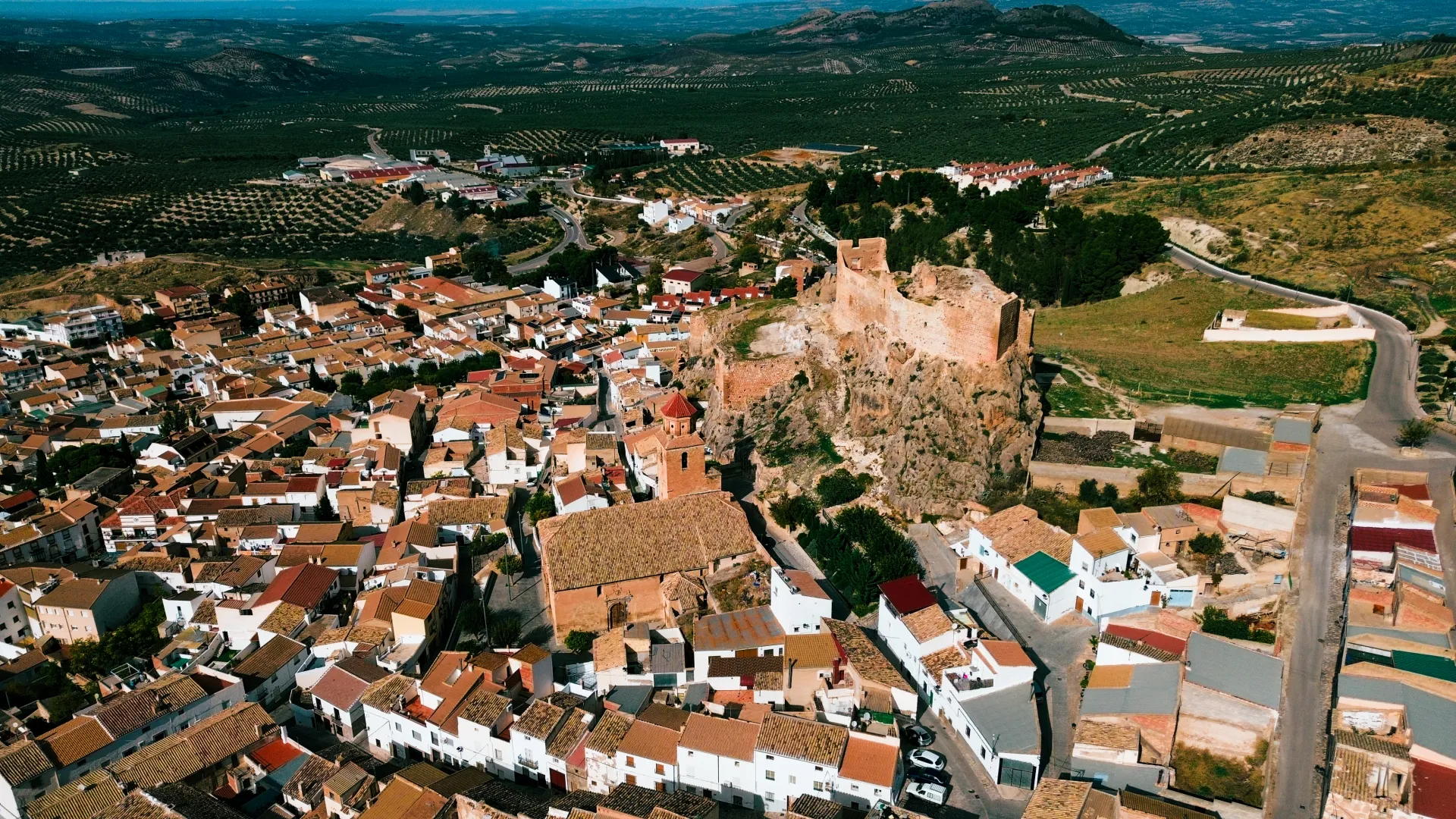

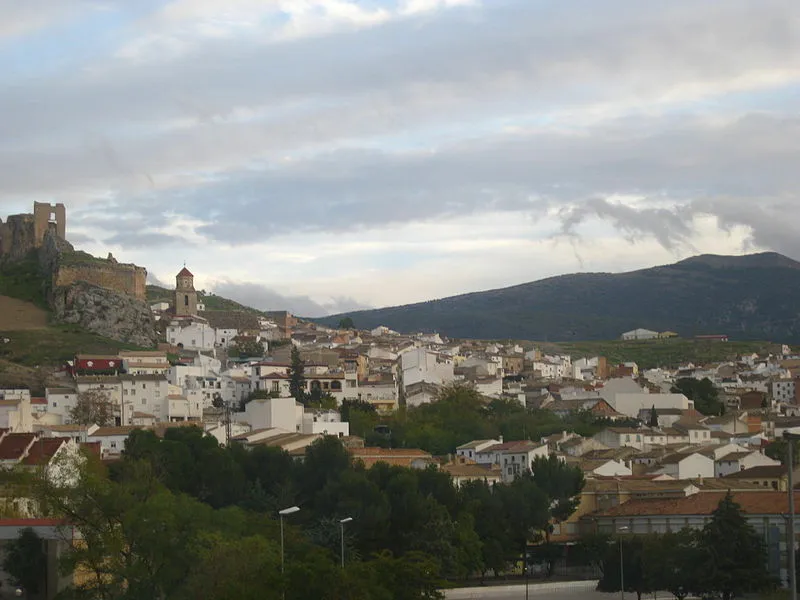
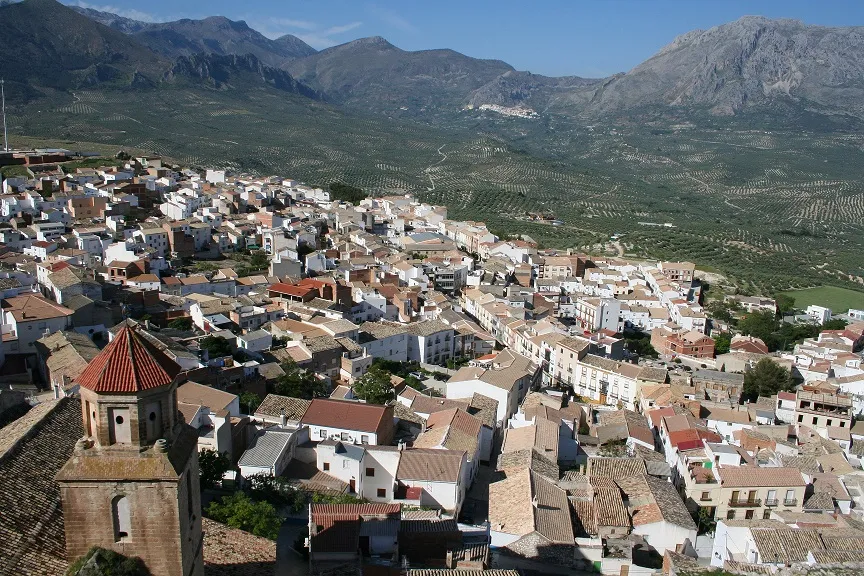

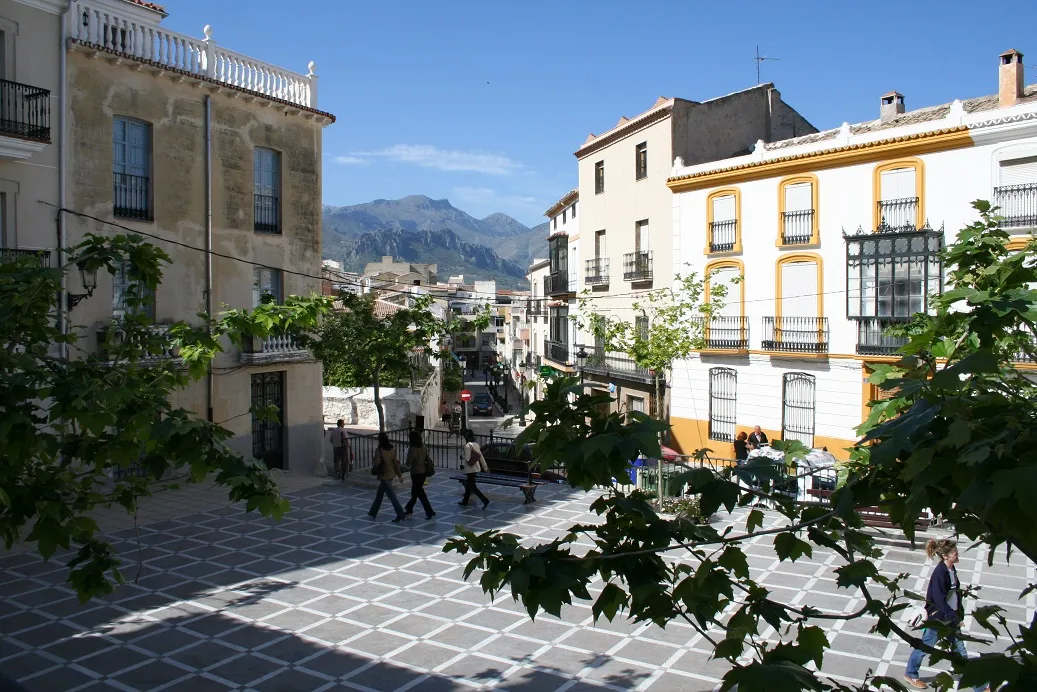


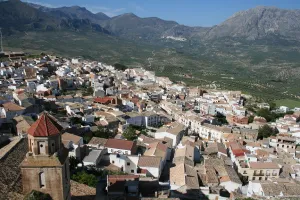


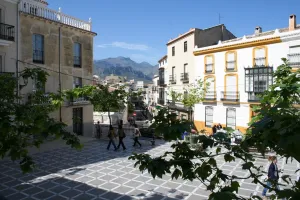
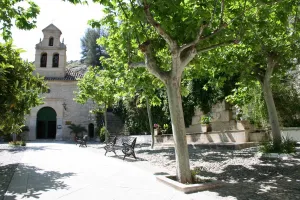
A municipality that extends to the feet of Sierra Magina, with a landscape of abrupt land, dedicated to the cultivation of cereal and olive trees.
It belongs to the Natural Park of Sierra Magina, which is part of the Subbetica and offers beautiful and spectacular landscapes. In terms of vegetation, there are frequent cobblestones, complaints, carrasco pine and salgareño. Its rich and varied fauna is also important.
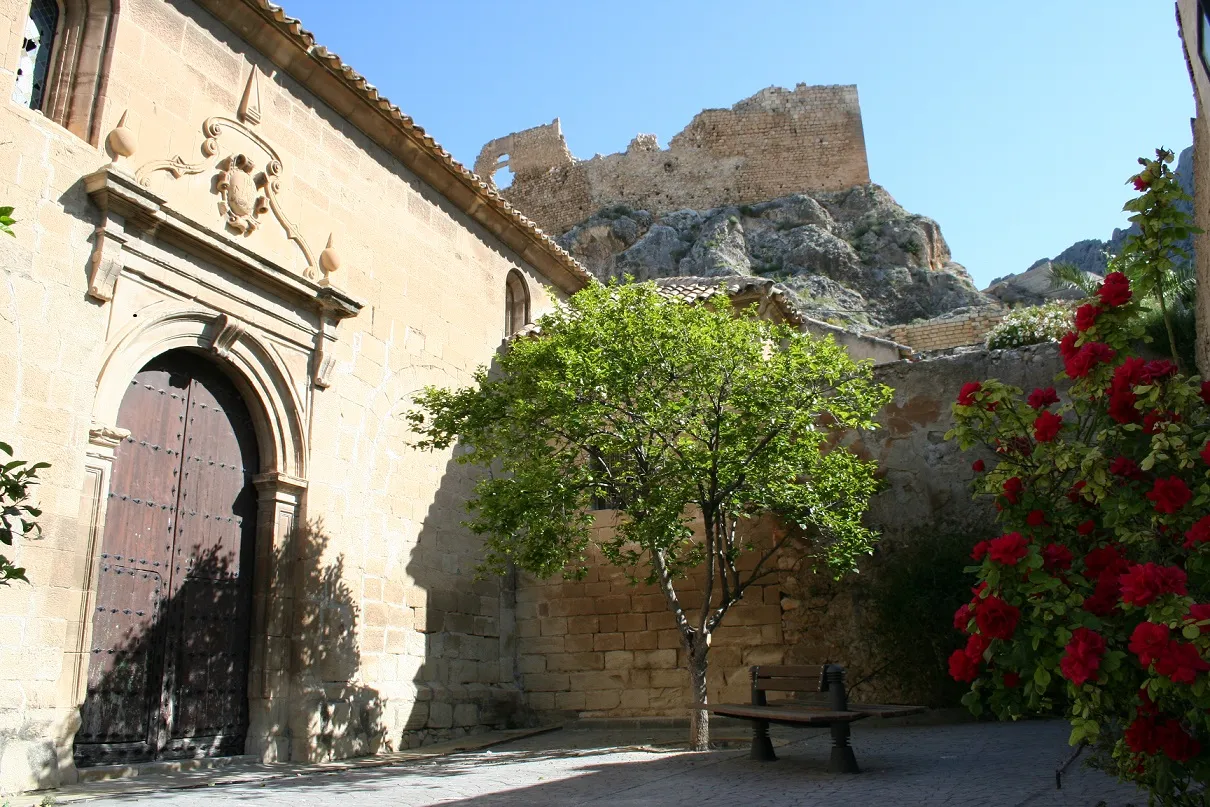
It is made up of the towns of Bedmar and Garcíez, the first being the most important. Bedmar has a magnificent church and Garciez an interesting palace, both Renaissance.
Its territory extends from the Guadalquivir River to the north to the high summits of Sierra Mágina to the south, so the municipal term is included in the limits of the Sierra Mágina Natural Park, being varied and rich in both natural and transformed spaces. The area of the Adelfal de Cuadros, a riverbank forest on the river Cuadros, is a small area.
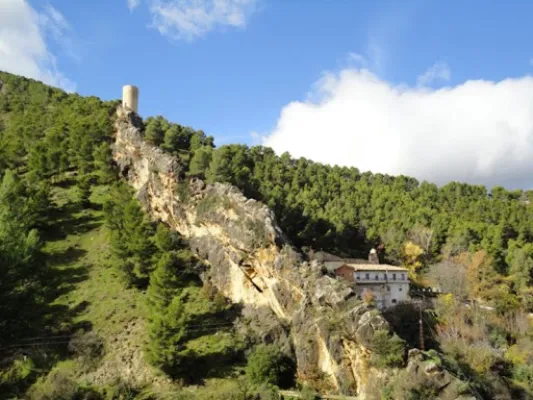
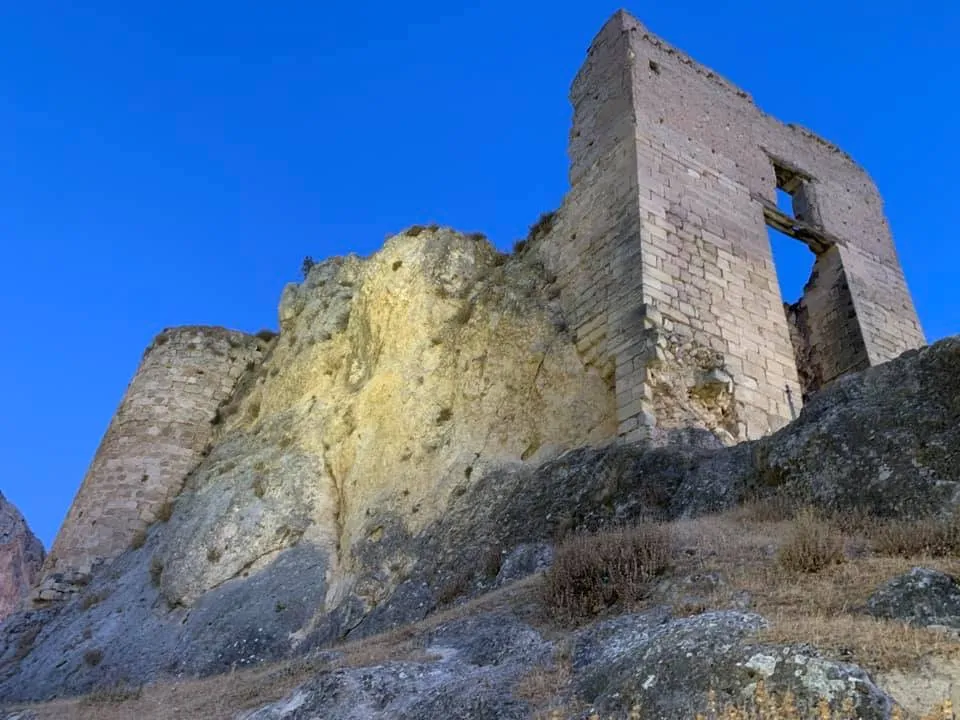
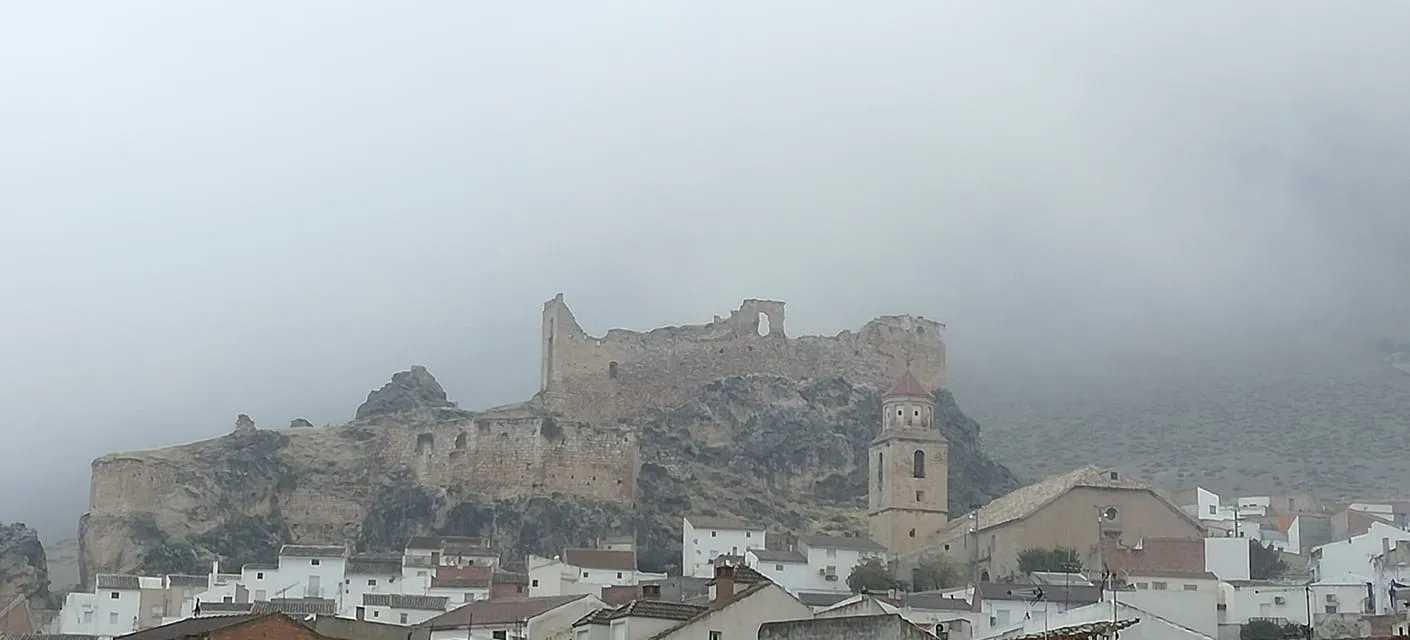
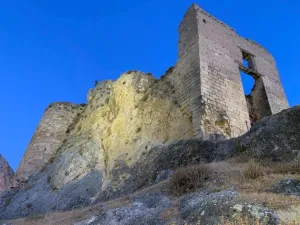
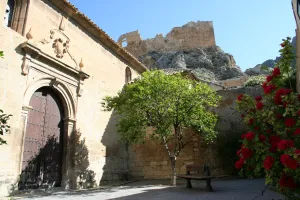
From the heritage point of view, the architecture of interest of Bedmar and Garcíez is represented by the parish Church of Our Lady of the Assumption, built between the 15th and 18th centuries, without forgetting the Castle of Bedmar, declared Historical Monument, or the Palace of the Marquis of Viana.
Is part of


Bedmar retains its festive cycle based on the agricultural works with some customs that still endure and others that have been diluted over time.
So it's traditional to light fires the the eve of San Antón - 16 January - around which chops and popcorn are usually taken, and on whose flames the young men jump, helping themselves with sticks and rods as if they were pertigas.
The same custom of lighting lumbers existed to San Sebastián and for the Candelaria, where the eve of this feast the Bedmareans used to go to the countryside to take the "rosque" of that day, accompanied by beans, which have become their tradition next to the oil and the bacalate for the day of Andalusia.
For the Easter of Resurrection traditional hornazos continue to be made. Until not many years ago the day of St. John was celebrated by placing branches of fig trees on the bedmarean doors, not without those who placed horns on them, rather than with an offensive sense of hidden infidelities, with the sense of abundance and prosperity that symbolizes the mythical "horn of abundance."
The 15 August the Virgin of the Rosarywhere the aurora is sung with guitars, banduries and violins. In the early years of the 1990s of the 20th century, the August Fairs, of a playful and cultural character, were established as a tribute to the Bedmaran migrants who, during this month, return to their people on holiday, today, are known as the traditional CULVE, with sports, lucicas and culturate them during the months of June, July and August. During these parties, a monumental piirrana is usually shared, which is tasted by all the neighbors, concluding with a popular verbena held in the park of Pilarejo.
It is the ritual with which the parties of his patron San Marcoswhich last between the 23-26 Apriland in which the saint is processed to the outskirts of the village to bless the fields and bring water for the crops. During those days, a stew of dry beans is prepared and so-called San Marcos rosches are made, which will be distributed among the neighbors after the procession.
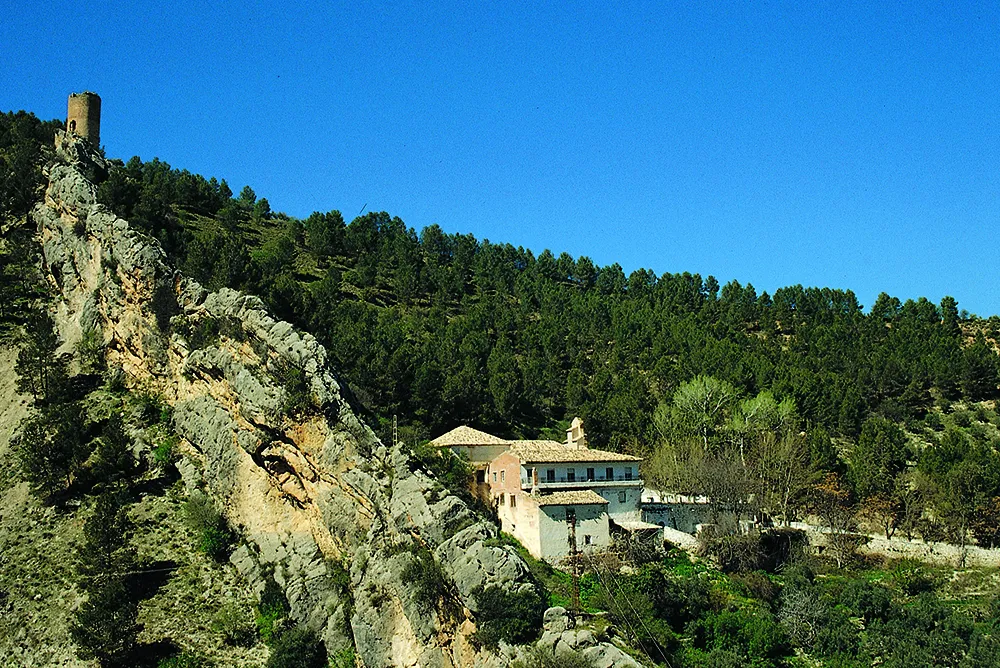
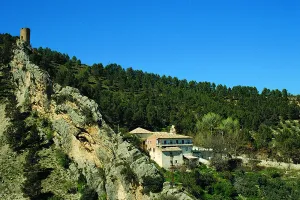
But without a doubt the funniest party in Bedmar is the Romeria de la Virgen de Cuadroswhich takes place on the last Sunday of October. It was traditionally done on the 25th of that month, moving on the 25th of September from its hermitage in the area of Cuadros to Bedmar, where it is venerated by all the neighbors. The Virgin of Cuadros is devotly held as the Lady and Mother of Sierra Magina, celebrating this rosemary since the 16th century.
They enjoy Bedmar and Garciez from the cuisine of Sierra Mágina, from which the products of their gardens and the slaughter of the pig are no other. From the first, their "peas"rehogados in the oil of having fried some garlic, a picataste and a dry red pepper, letting them cook, and grabbing some eggs when they start to boil.
No less tasty are the "asparagus in salsa"or scaffolding, or the tender beans that it was tradition to eat in the field accompanying the"rosca de la Candelaria"or the mashed with the crushed dry beans once they have been cooked with a tomato saffrito. It is not foreign to these Bedmarian lands that are widely extended by our provincial cuisine."rye"whether they are of game meat, rabbits or hares, but above all with cod, clams and squid.
Exquisite porridge of the pig that is made on these lands are both the "onion bite" and that of rice, where it is cooked with the bowl and the butter and is served with various herbs and spices such as the oregano, the pimenton, the nutmeg, the caravan, or the anise grains with nail and cinnamon. Highlights the call here "butyfarra"made with the liver of the pig and with the parts of the head previously cooked, crushed and embossed, not forgetting the loin of orza that with so much mastery is prepared on these lands. Very traditional is the call"filling"so typical of the time of Carnival, and today food of the whole year, where minced meat, bacon, pieces of ham and chorizo, eggs beaten with parsley and grated bread, are soaked in a chest, or in the stomach of a pig, and is cooked in the same pot as the cooked one, then opened in the dish to be distributed and served as an accompaniment of the pot.
For the Easter of Resurrection the traditional ones are still made "bake"and during the patron parties of Garcíez those called for it"roscos de San Marcos. "
The lands that now occupy the core of Bedmar have been inhabited since Prehistory, which is no wonder, if we take into account the large number of natural caves and coats that exist on these slopes of Sierra Magina. The Iberian period corresponds to the archaeological sites of the Cornetales and the Cerrillo de los Ayozos, and the vestiges found at other points allow to document the Roman and visigoda presence in the area. It is precisely in this last period, the Visigode, when the village of Bedmar begins to take shape.
The original core was in Peña Marta, with a wall belt to shelter the inhabitants of the valley. The strategic situation of Bedmar, dominating the valley of the Guadalquivir River, encouraged the construction of new defenses from the early moments of the Muslim conquest. Thus, in the eighth century, a second defensive belt was raised and the castle was built. At this time it was called Bedmar "al-Matmar," which means silo and, by extension, cave. The term is likely to refer to the cave that opens on the rocky wall that dominates the city. A cave that was integrated into the primitive fortified set of which, still today, remains: two canvases, part of the towers and an aljibe attached to the rocks.
As a border land, the history of Bedmar is sour in those centuries. Several times conquered by the Castilians and many others recovered by the Muslims, they resisted losing this bulwark on the northern limit of the Nazarite kingdom. The castle of the city, the torreon de Cuadros, the small castle of Fuensucia or the torreon of Fique, between Bedmar and Baeza, are some constructions of its defensive system. It was not the struggle, but a peace treaty (the one in Seville in 1310 between Fernando IV and King Nasr) that determined the passage to the Christian domain of the city. Yet a century later, in 1417, the Nazarites of the Kingdom of Granada would try to take the castles of Bedmar and Albanchez by surprise, but they did not.
At that point, the villa already belonged to the Order of Santiago and, with the end of the Granada War, these lands, so far very insecure, are repopulated. Thus in the 15th century new houses are built, at first close to the castle, but then overflowing the limits of the fortress. The Catholic Kings granted the privilege of the villa to Bedmar, which was later endorsed by Charles V. King Philip II authorized his sale to Don Alonso de la Cave in 1512. Already separated from the Order of Santiago, Bedmar was the head of a marquee. As a lordory villa, it experienced a significant growth and urban renewal. From the 17th century are the main buildings: the chapel of Cuadros, the church of the Assumption, the church of the Conception... In 1882 Alfonso XII granted the city council the treatment of most illustrative and reaffirmed his shield of arms.
Dominating the opposite bank of the Cuadros River, over a Altozano, is Garcíez. This core, originating in one of the villages of the term, has a signory origin. In 1973 a Voluntary Fusion Record was launched with
14
2
2
4