Municipality
Martos

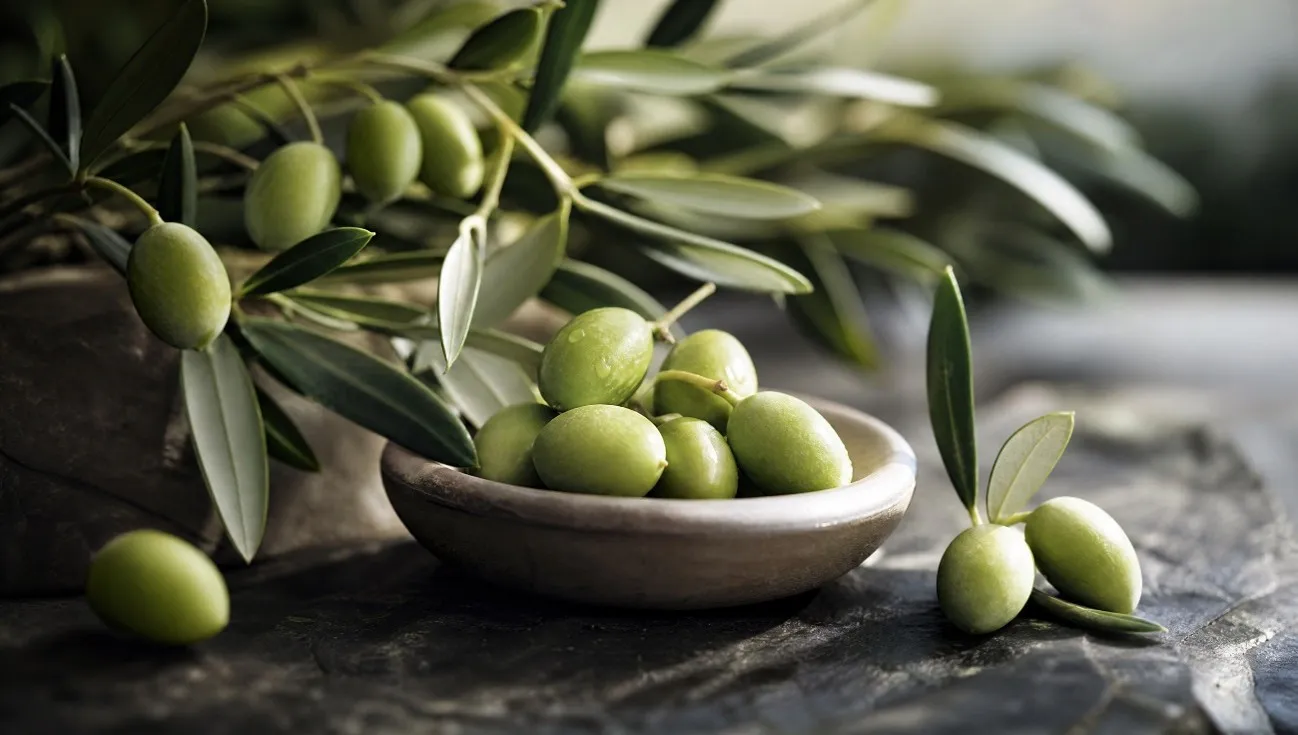
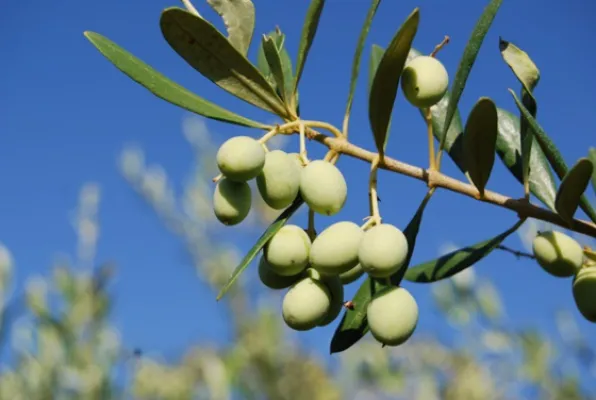
It is the most widely grown variety in Spain and one of the most important in the world, originating in the province of Jaén, and mainly distributed across the provinces of Córdoba and Granada, with more than 700,000 hectares currently under production.
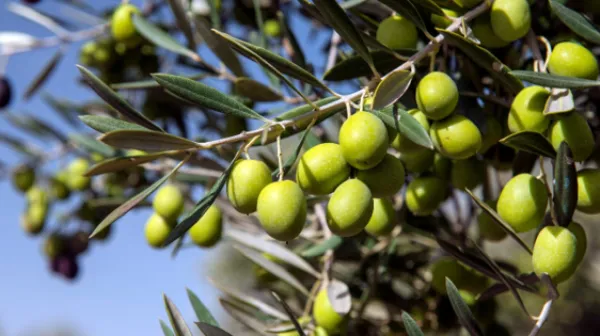
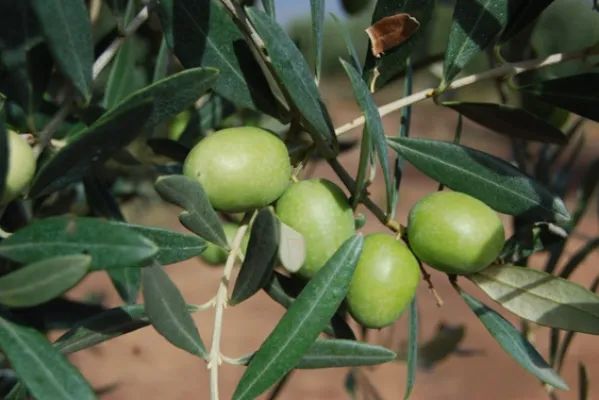
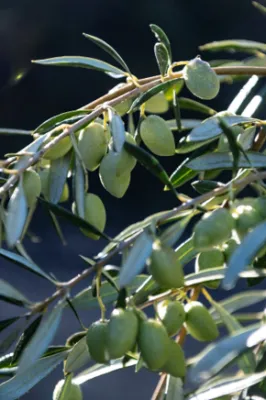
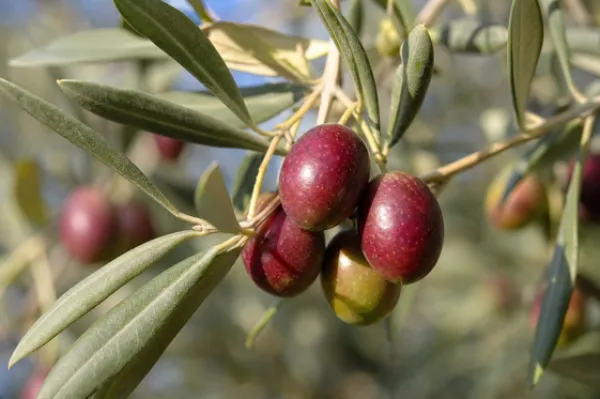
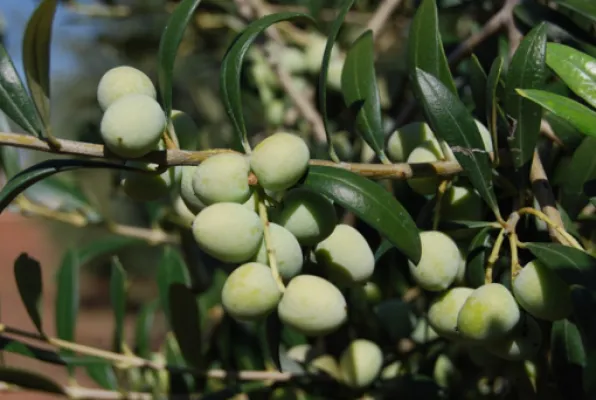
It is known by many other names, among which Marteño, Nevadillo, Lopereño and Andaluza stand out. The name comes from the pointed shape of its fruit, which is elliptical, slightly asymmetrical, with a small nipple at the tip.
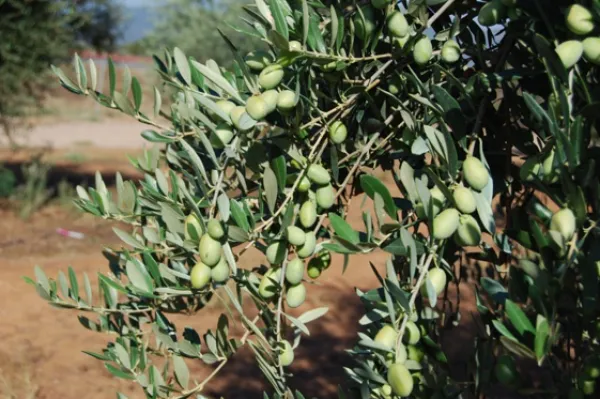
The tree's vigour is medium to high, robust and upright in growth, with an open habit and dense canopy. Its branches tend to lignify (turn woody) early.
Its leaves are long and narrow, greyish-green on the upper side and silvery underneath. It is highly valued for its early entry into production, high productivity and strong yield under optimal growing conditions, although both fruit yield and oil content can be affected in years with low rainfall. It responds very well to irrigation. A significant area of century-old Picual olive groves in the province of Jaén was brought under irrigation from the 1990s onwards. It ripens uniformly. In terms of pests and diseases, it is affected by the olive fruit fly, is highly susceptible to Verticillium wilt, and shows medium-to-high susceptibility to peacock spot. On the other hand, it shows good tolerance to olive knot and moderate susceptibility to anthracnose.
Its oil is highly prized for its high content of oleic acid and polyphenols, which give it excellent stability and resistance to oxidation. In terms of taste, oil made from green fruit is characterised by an intense fruitiness, with green notes reminiscent of olive leaf, freshly cut grass, tomato plant and green banana skin.
On the palate, it has a sweet entry, soon joined by the nuances perceived on the nose. Its flavour develops into a balanced bitterness, giving way to a persistent spiciness, with final notes reminiscent of olive leaf and artichoke.
Picual oil made from ripe fruit has a different sensory profile. On the nose, notes of fig leaf and tropical fruit stand out, adding great aromatic complexity.
On the palate, it has a smooth, harmonious entry that confirms the fig leaf and tropical fruit notes perceived on the nose. Bitterness appears quickly, while the spiciness is milder and less persistent.
Its high stability under heat makes it an ideal oil for cooking, especially in preparations requiring higher temperatures.