Tourist Office
Ayuntamiento
Plaza de Ntra. Sra. de Albanchez



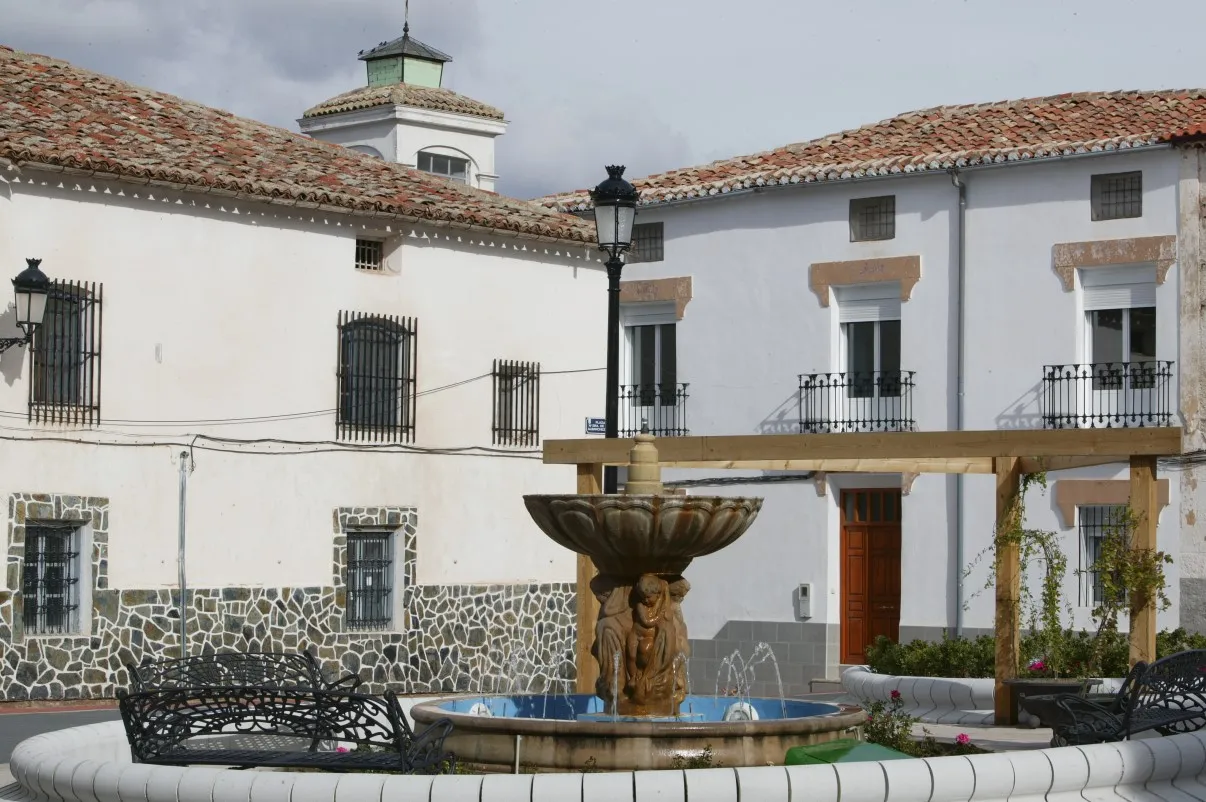

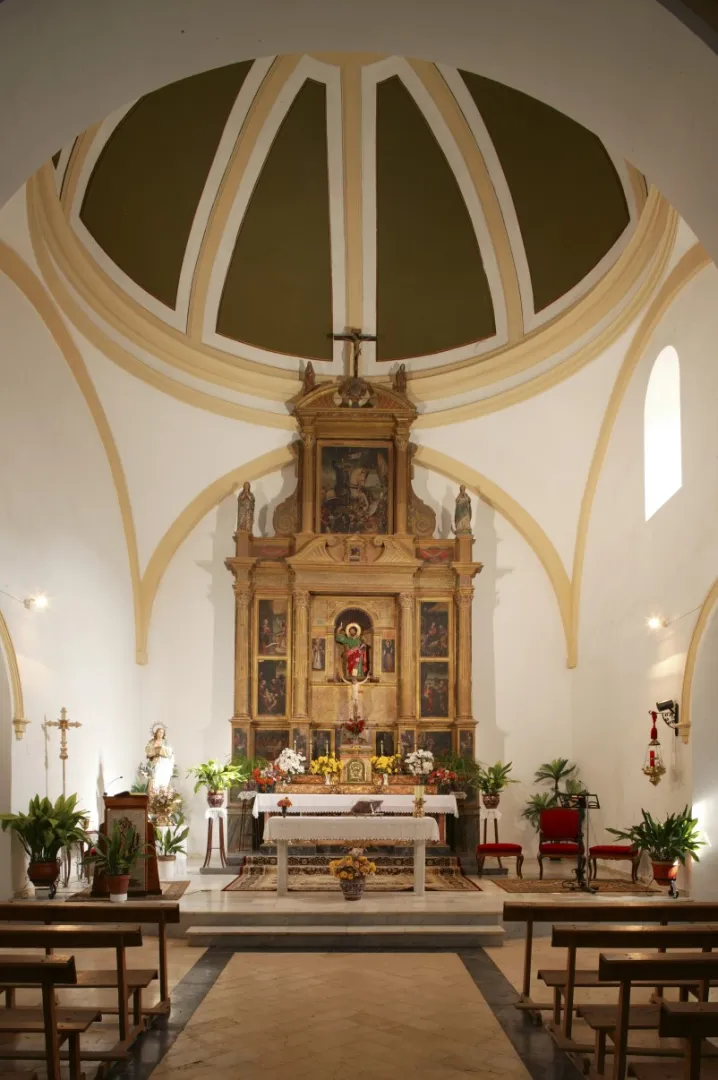


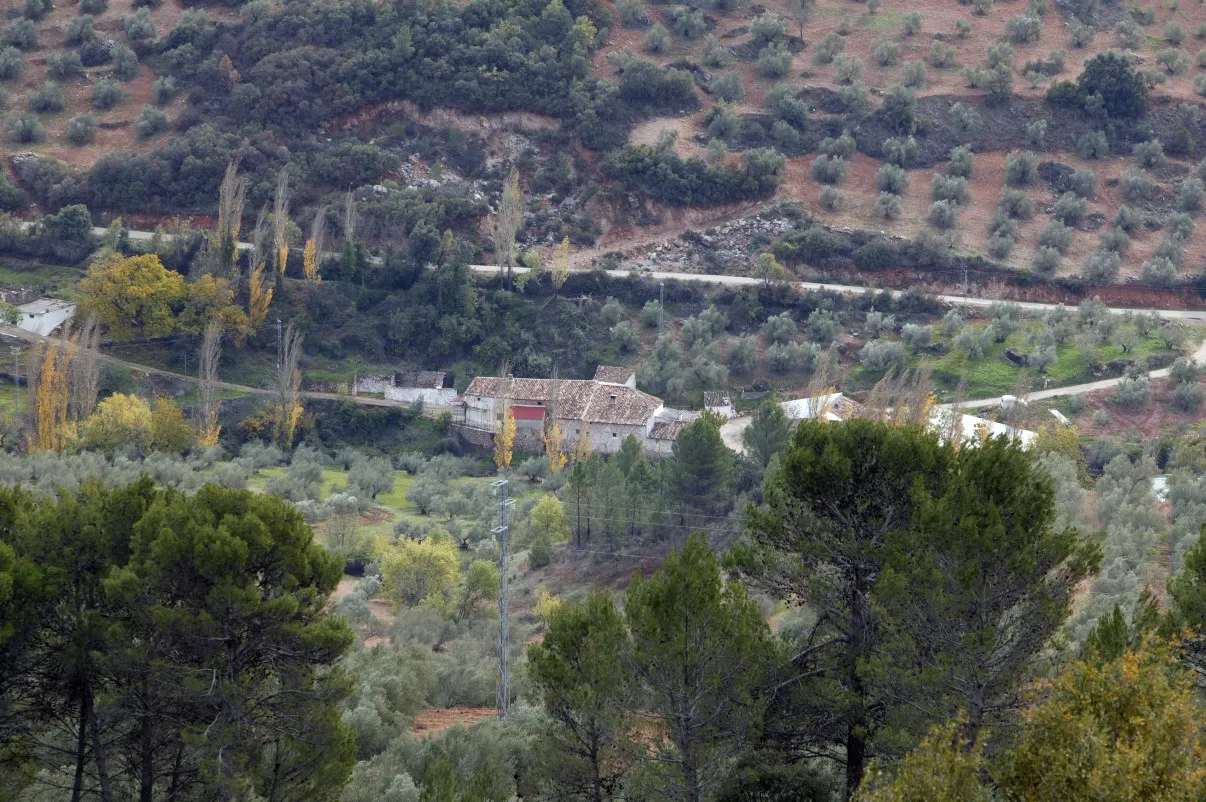


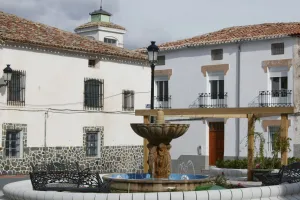
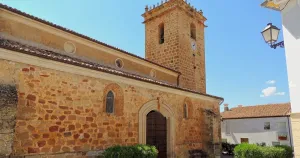
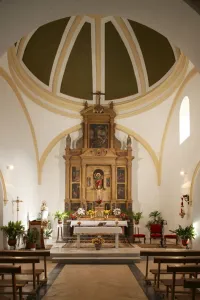

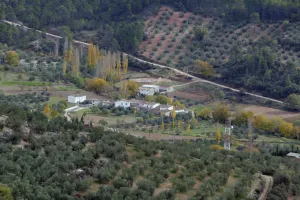

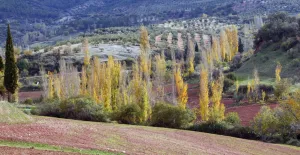

Villarrodrigo is a municipality in the Sierra de Segura region at the north-eastern end of the province of Jaén, on the border of the province of Albacete. The Pedanía of Onsares also belongs to this municipality. Despite its location in this region, it is not part of the Natural Park of the Sierras de Cazorla, Segura and Las Villas, since it does not bring any municipal term to the said protected space.
Located in the foothills of the Sierra de Segura, the quality of the landscape, olive village, cereal fields, pasture area for livestock and forest land, makes its natural values no different from anyone.
The economy is basically based on agriculture. More than half of the total surface of the term is dedicated to the monoculture of the olive tree, mainly of the dry. It is an important area of bravo cattle and some of these cattle deal with their cattle in important squares, such as the cattle of Samuel Flores' leadership cattle.
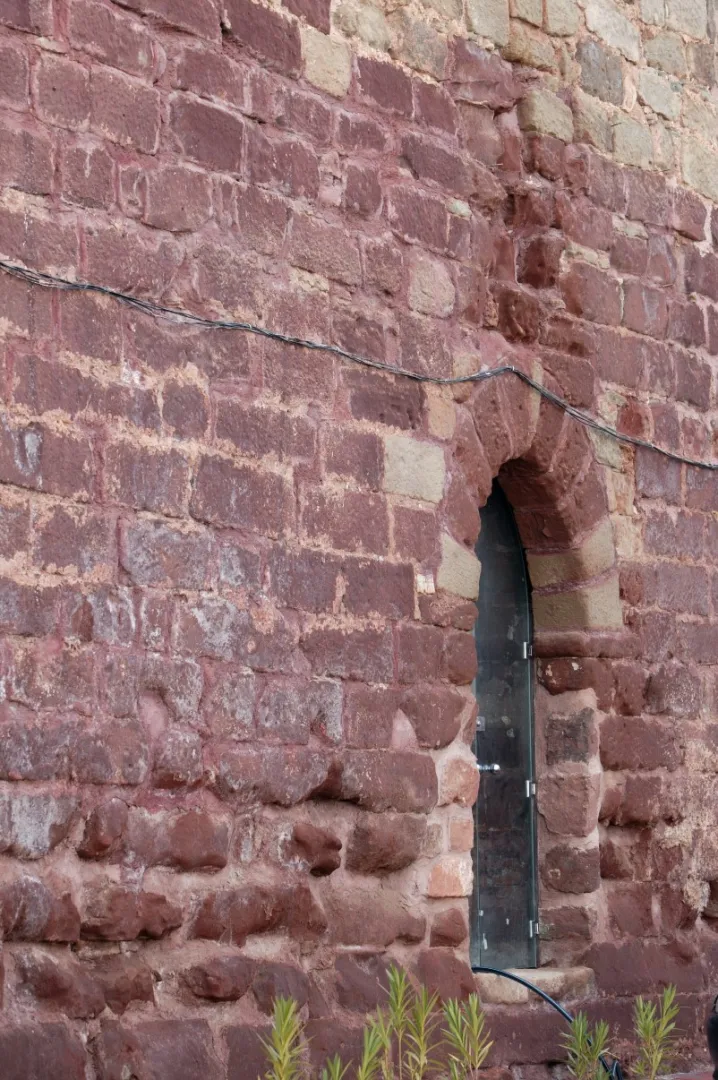
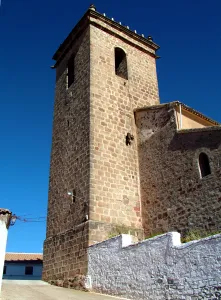
Among its cultural properties is the parish church of San Bartolomé and the Medieval Torreon.
Is part of


From its artistic heritage, we highlight:
Although Villarrodrigo does not belong to the Natural Park of the Sierras de Cazorla, Segura and the villas, its municipal term is in the same foothills of the park, and has a variety and a landscape wealth that we want to highlight:
The best option to know the fauna and vegetation of this town is to travel some of the many paths that exist in the term. One of the most representative would be the path from Siles to Villarrodrigo, which links these two localities and can be taken on foot.
It is characteristic of a varied landscape of low and half mountain, between olive groves and pineapples of carrasco and black pine, with abundant Mediterranean sotoforested, splashed with beautiful walnuts, complaints and pineapples.
We can also observe well-preserved river vegetation.
We highlight the Recreative area of the Bear Dehesa, with fountains and large walnuts, from where you can start the rise to Cambrón by a signposted path.
The Bayona Recreative Area is also close, where we can take a bath in the summer.
Between the Dehesa del Oso and Villarrodrigo, there are two sections from which we can enjoy a wide view of the Natural Park and where the summits of the Banners, the Lies, The Spot and Yelmoand the albaceteñas Alcaraz saws and Calar of the World.
In the vicinity of Villarrodrigo you can see the last eastern foothills of Sierra Morena and the transition landscape formed by dehesas.
The corvids are abundant, like the lard and the corneja, as well as the boar. In the area of the Cambrón there is a colony of leonate vultures.
Many of their traditions are preserved in Villarrodrigo, making them the best of their cultural heritage.
Villarodrigo's gastronomy preserves all the uses and forms of the region's cuisine.
Among the products of the massacre are the "white bruises," who do not carry blood and "black bruises," they do. With the pig's liver, the "jopringa".
Another dish, inherited from the pastoral cuisine, are the Galians.
Owner of the serrana cuisine is the dish called "Gachamita," made with potatoes and flour. The "garlic atao," It's a serrana sauce. The "sweet gazhas," that are very typical of all Saints' day food.
All these meals are usually accompanied by traditional drink, "crow," a mixture of wine, water, sugar and fruits.
From the Roman era, several rock inscriptions have been found in the area known as the Higuericas and identified as an ancient necropolis.
A lawsuit held in 1238 between the Order of Santiago and the Archbishop of Toledo for the ecclesiastical jurisdiction of the then Albadalejo de la Sierra (now Villarrodrigo) and other populations, indicates the existence of churches and a stable Christian population, assisting the disappearance of the Muslim population.
In the 13th century, the emir of the taifa of Murcia signed the capitulations of Alcaraz with King Fernando III. The territory of Villarrodrigo is thus integrated into the Corona de Castilla within the Kingdom of Murcia.
Since the mid-13th century, the Sierra de Segura remained under the Lord of the Order of Santiago, being divided into four ensembles (socio-economic institutions).
Villarrodrigo is located within the geographical space that maintains the Segura de la Sierra, in the so-called Levante corridor characterized by a soft relief that augurs a good agricultural land.
Until 1568 it was known as Albadalejo de la Sierra. On that date, King Philip II granted him the privilege and civil and criminal jurisdiction of first instance, in addition to the change of name, to be called Villarrodrigo, as a tribute to Jorge Manrique's father, Don Rodrigo master of the order of Santiago who conquered and lived in this population.
2
3