Saltar al contenido principal

Orcera

MUNICIPIOS
  • Orcera
  • 4d801f2d-0fbe-80cd-e9b3-da943df1b529?t=1621271852271
  • 7564df32-691f-5fe6-5772-200271f90ab8?t=1596037186672
  • a3ef91bb-6788-aeb3-3ce1-52c63c6a049b?t=1596037276689
  • 93ea953b-b7fb-00f7-6751-442e27f9d852?t=1621271784259
  • 4b2b369e-2226-4eec-d0a4-6c1aa7068997?t=1596037329344
  • adf5b266-0623-263e-e83e-858b83feb20b?t=1603729407461
  • 67588f5f-1456-f1f3-2a99-9ff944435ff8?t=1603729570170
  • 6b96b240-e7be-da17-68df-cbe38bd19e5b?t=1621271852323
  • 49fdaa46-c7f3-a242-9a12-4c6be0414434?t=1621271852458
  • Orcera
  • 4d801f2d-0fbe-80cd-e9b3-da943df1b529?t=1621271852271
  • 7564df32-691f-5fe6-5772-200271f90ab8?t=1596037186672
  • a3ef91bb-6788-aeb3-3ce1-52c63c6a049b?t=1596037276689
  • 93ea953b-b7fb-00f7-6751-442e27f9d852?t=1621271784259
  • 4b2b369e-2226-4eec-d0a4-6c1aa7068997?t=1596037329344
  • adf5b266-0623-263e-e83e-858b83feb20b?t=1603729407461
  • 67588f5f-1456-f1f3-2a99-9ff944435ff8?t=1603729570170
  • 6b96b240-e7be-da17-68df-cbe38bd19e5b?t=1621271852323
  • 49fdaa46-c7f3-a242-9a12-4c6be0414434?t=1621271852458

Description

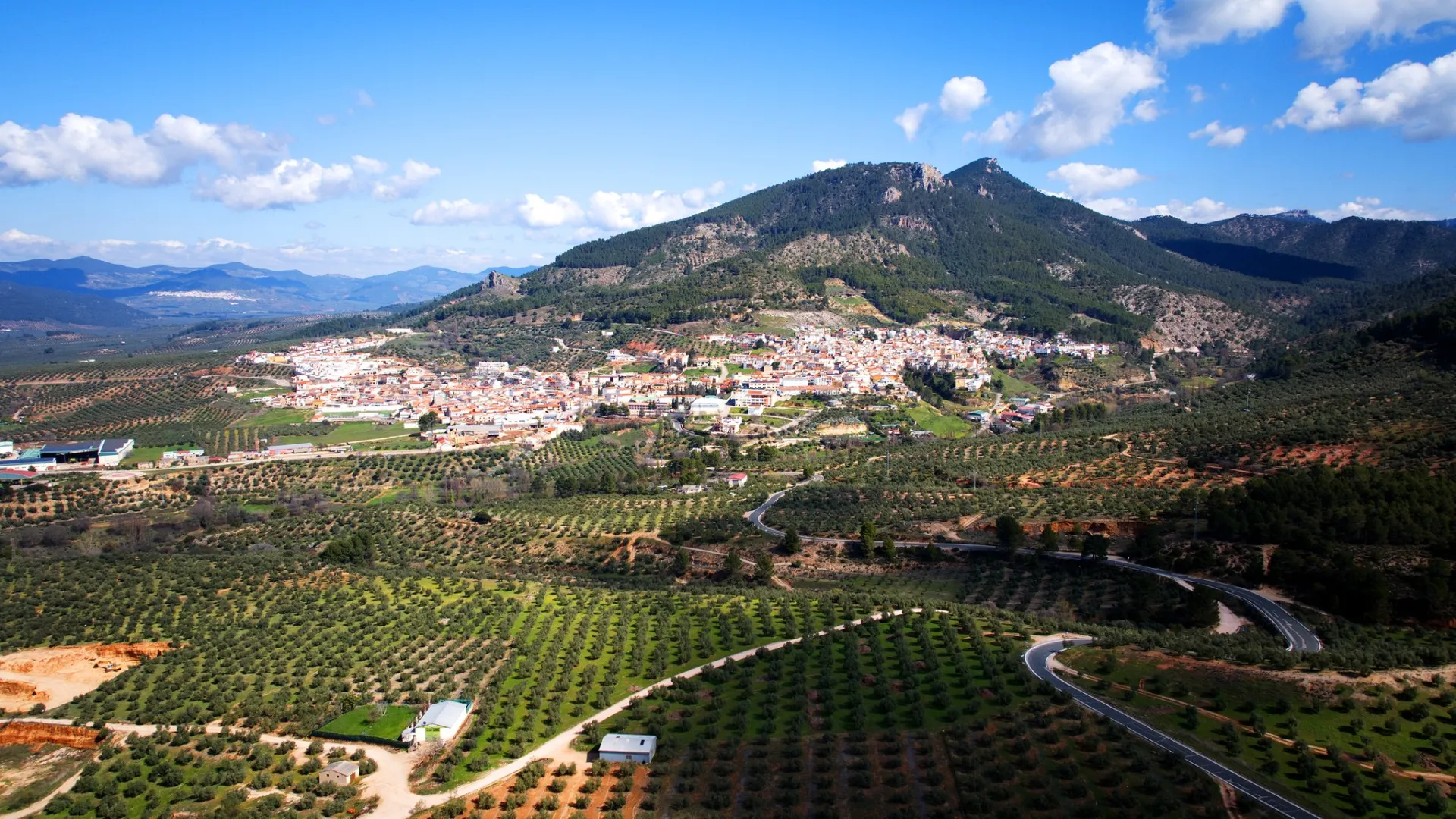
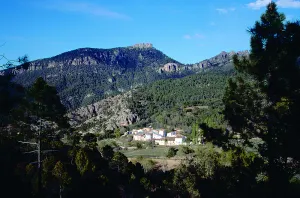
Municipality belonging to the region Sierra de Segura, within the Natural Park of the Serras de Cazorla, Segura and Las Villas. Eminently forest and full of landscape attractions.

This municipality has the particularity of to be divided into two enclaves: one south-eastern, in which is the town of Orcera, and one in the north-western area of the region, bordering the province of Ciudad Real.

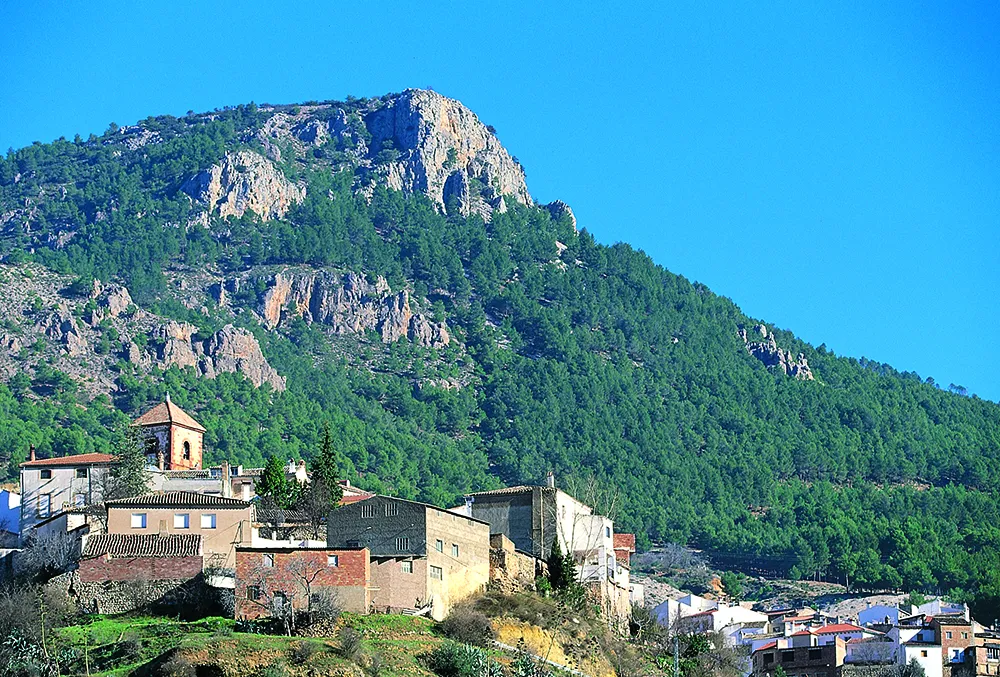
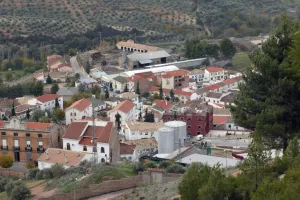
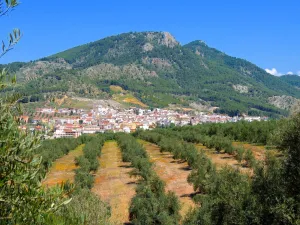
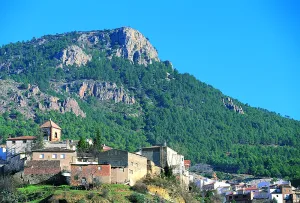
The cultivated land are in the west of the municipal term. The town is hidden in the skirts of Mount Peñalta, with an urban interiors and an excellent medieval town.

Economic activity It depends on the olive grove, the oil industry, the hunting, the forest and the tourism, as it is the gateway to the Natural Park of the Sierras de Cazorla, Segura and Las Villas.

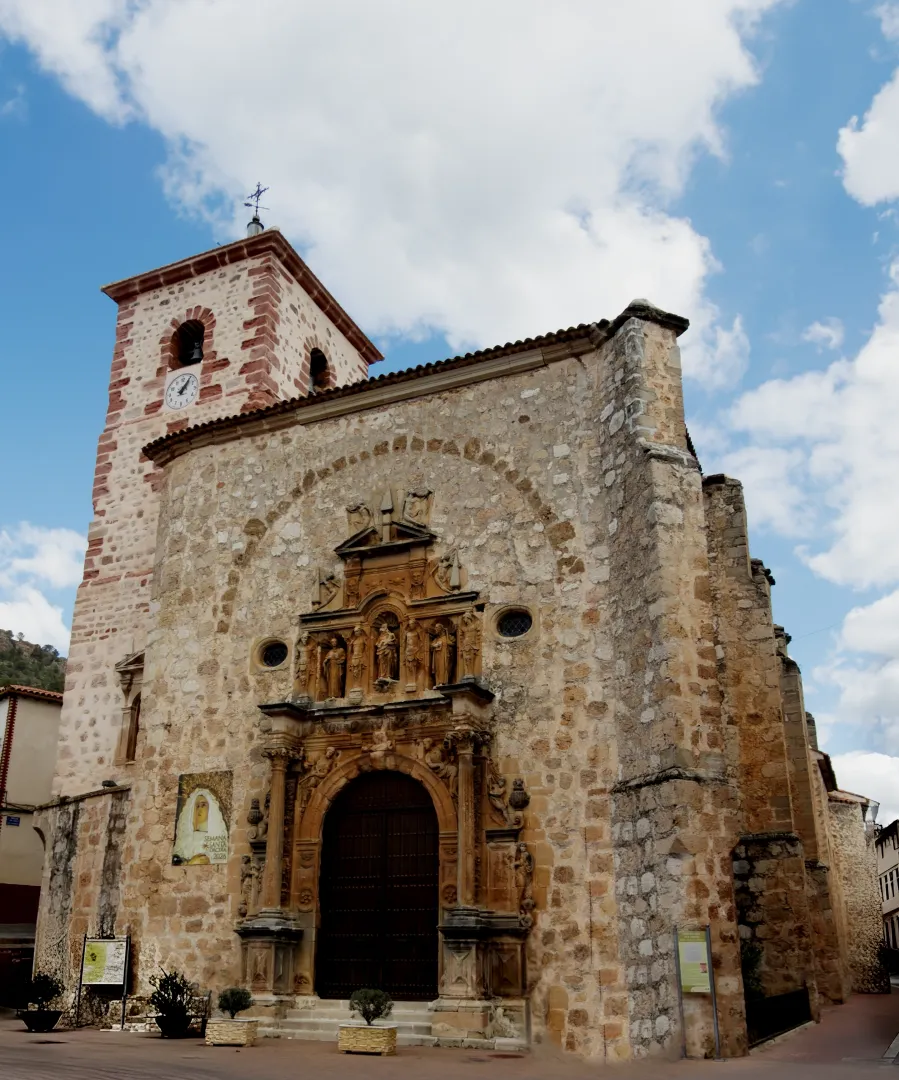
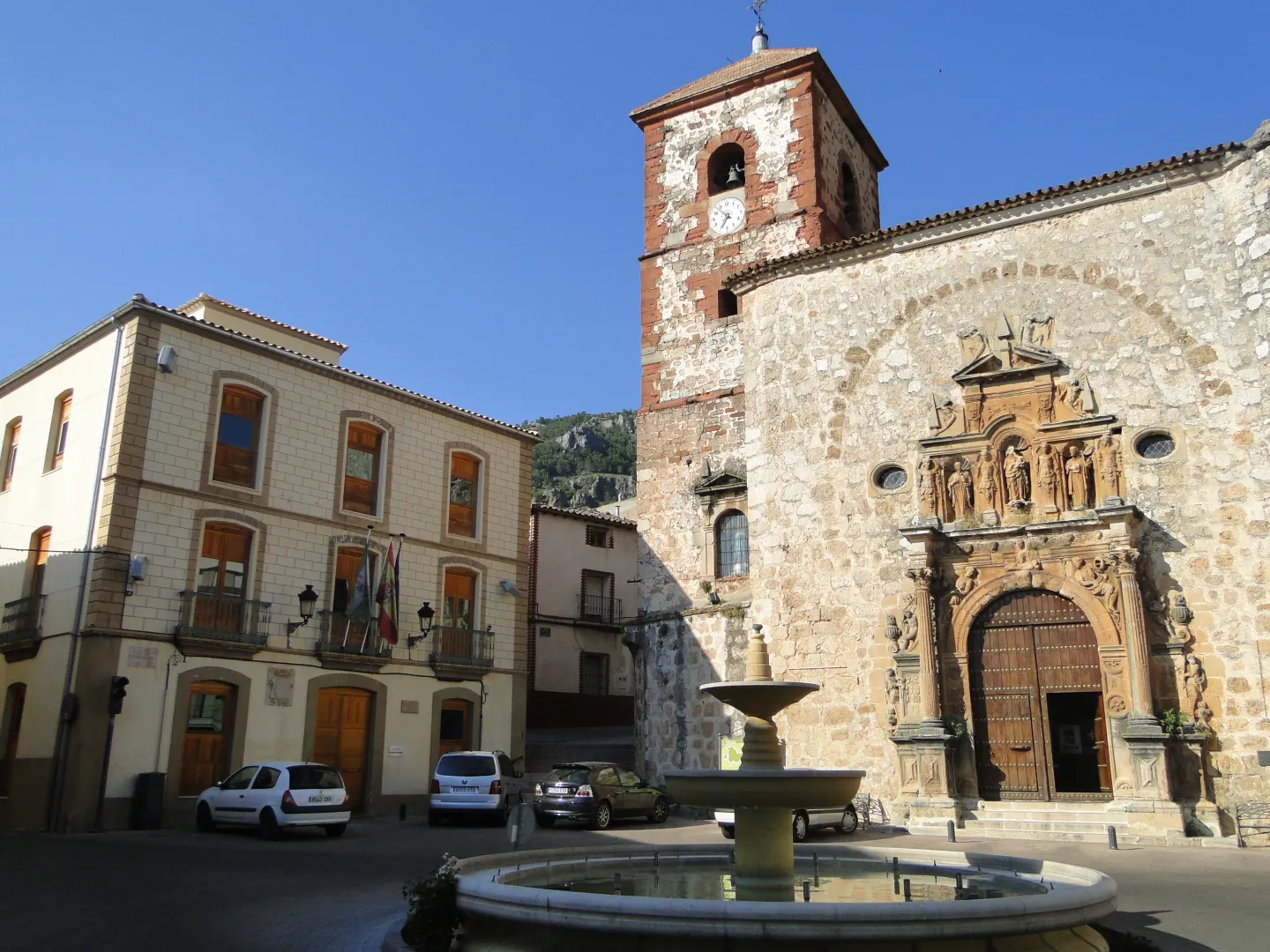
Among its historical heritage we highlight: the Parroquial Church of the Assumption, the Towers of Santa Catalina, The fountain of the Chorros and its Old Town, among others.

Tourist Office

C/ Joaquín Payá, s/n

Contact Details

953 480 154

Fax: 953 480 155

ayuntamiento@orcera.es

www.orcera.es

Useful Information

Tourist area: Serras de Cazorla, Segura and the Villas

Distance to the capital (km): 151

Altitude over sea level (m): 797

Extension (Km2): 126

Number of inhabitants: 1,894

Gentillo: Orcerners

Postal code: 23370

Is part of

AUDIOVISUAL CONTENT

MORE INFORMATION

Culture

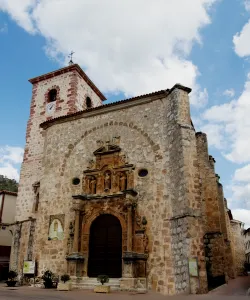
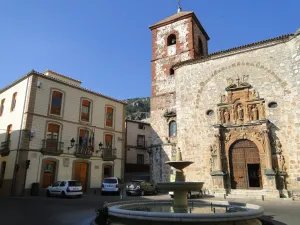
  • Church of Our Lady of the Assumption. It began to be built in 1530, finishing the works in 1570. The building is of a single ship divided into three sections that separate semi-columns with half-point arches covered with Gothic-style starvaults.
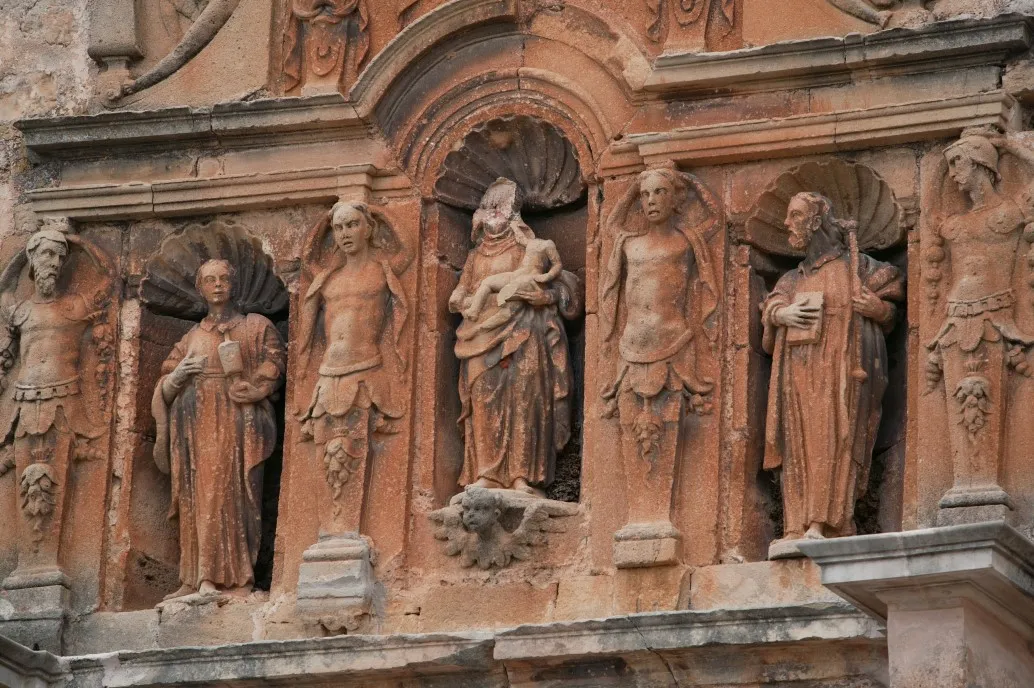
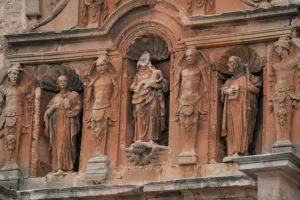
  • The major chapel also covered with a starry cross vault is accessed to it through a half-point backbone. It has side chapels.. The most important thing who owns is his magnificent mannerist coverfrom the ancient monastery of Santa María de la Peña. Data from last third of the 16th century and it is divided into two bodies: in the first one the arch door of half point is opened framed by Corinthian columns, with allegorical figures in the shrouds; in the upper body, a triple hornaine and the whole is removed by a triangular fronton divided with pinnacle. The tower is settled on a torreon of the primitive castle Medieval, it is quadrangular and consists of two bodies and bell tower, with soga and tendon reinforcements at the highest corners. On one side it has a magnificent window with a half-point arch on jambas caried between menillas, crowned by a triangular fronton. The other window displays in its half-point arch a whole decorative program: highlighted plates, cherubim in the key or semidesnude figures. This element is completed by lateral clumps. It was declared Good of Cultural Interest in 1985.
  • Fuente de los Chorros. Monumental source made of stone and brick, perhaps at the end of the 18th century. It is made up of a somewhat irregular silical frontis, in the central part of which two half-point arches and a triangular fronton that in its center carries a shield. They remove the fronton three pineapples, one at the vertex and the other at the ends.
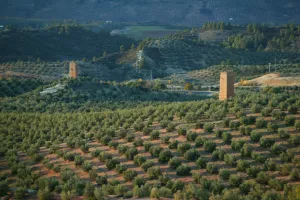
  • Torres de Santa Catalina. Situations across the river OrceraWe see three Muslim towers dating back to the 12th century, when the advance of Christian troops required a strengthening of defensive structures. These atalayas and the one that rises in the church square, and that makes as the bell tower of the temple, will constitute the defensive line of the house. They have been declared Good of Cultural Interest.
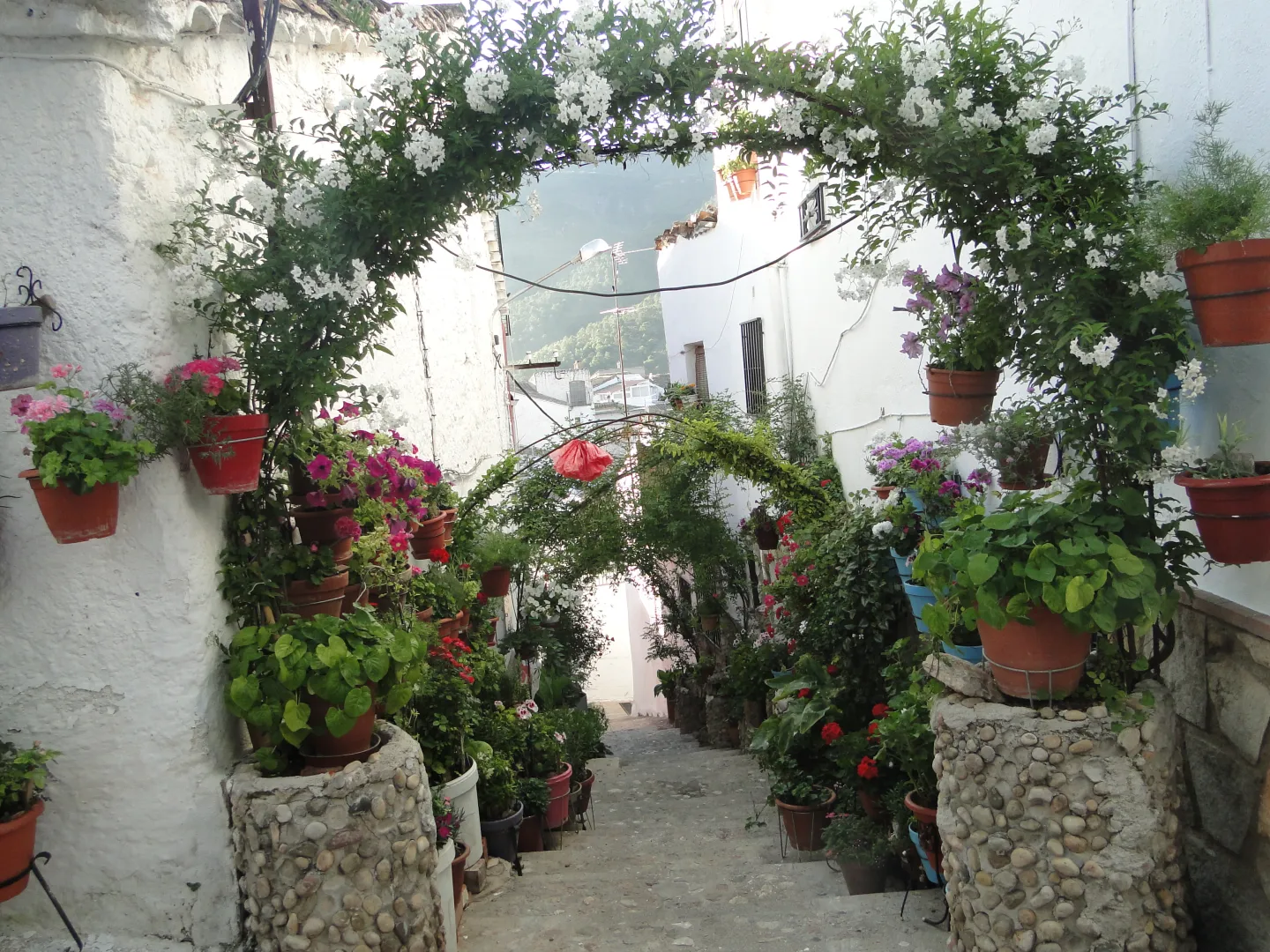
  • Old helmet. Posee Orcera a medieval neighborhood who resist the vicissitudes of times. The old town of the population is perfectly adapted to the medium, with narrow alleys, intricate and unmistakable Islamic regent. The houses are built with slimmed masonry walls, and complicated asymmetric volumes, low height, original chimneys and Arab roofs.

Nature

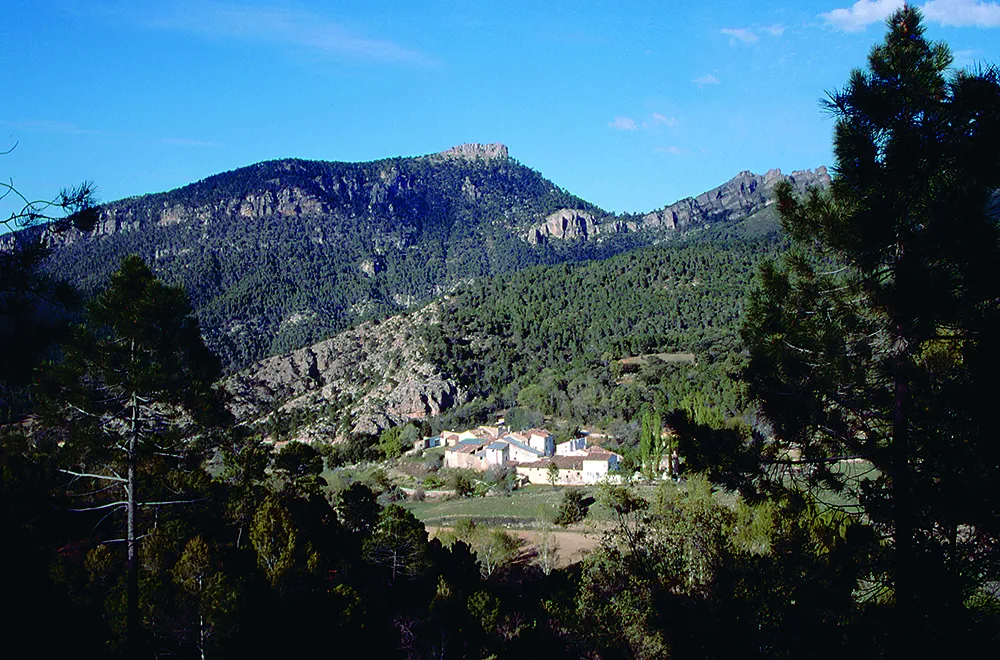
The municipal term of Orcera has 126 km2 and has the particularity that it is found divided into two enclaves:

  • The South-East enclavewhere the main population of the Orcera and is located within the Natural Park of the Sierras de Cazorla, Segura and Las Villas.
  • The second sector is in the North-West of the region, bordering the province of Ciudad Real in the foothills of Sierra Morena.

Orceradue to its location in the largest Natural Park in Spain has many picturesque areas and interesting placesincluding Armujus, with a huge river pool, The Straits, Cascade of the Hueta, Orcera Lagoon and Wood River.

The population centre is 795 m above sea level, on the hill of the Villares.

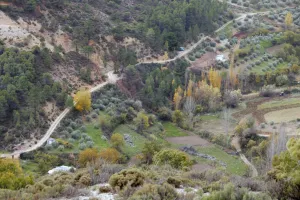
  • Key area:Its eastern part is very accidental from the orographic point of view, concentrating here the highest heights of the municipality: Peña Blonde (1625 m.), Engarbo (1595 m.), Navalhora (1419 m.), Los Villares (1209 m.) With a surface of 70 km2 is made up of forest mass (pineapples) and crossed by a warlike Wood River. The western part is the area of the valley, vertebrated by Orcera and Trujala rivers. Being the first tributary of the second, and this in turn, of the Guadalimar River. It is the most populated area of the municipality where the town's town centre and its villages are located. Here they concentrate. agricultural land, highlighting the olive tree, followed by cereal and orchards.
  • Northwest enclave:It is located to the northwest of the region, in the left bank of the Guadalmena River, which makes the border during a good stretch of the province of Jaén and Ciudad Real. It has a extension of 50 km2.The landscape is different from that of the other enclave, formed by shrubs, pastures, burning and scattered pine. It's a lower one on the mountain. The Marañosa (846 m.) maximum height.

Population is concentrated in the main core or municipal capital, the rest does in small villages or villages: La Hueta, La Marañosa, Linarejos, Los Arroyos and Valdemarin. Some of them, like Linarejos, are completely abandoned.

A space with many ecosystems in which infinity of species that make up rich and varied fauna:: from the rapacious birds, the carrionies, the cynetic species, both of major and minor hunting, the fish, amphibians, reptiles, as well as the characteristic fauna of the riverside vegetation that exists next to the stream and river.

No doubt, a true paradise where nature seems to be recreating. It is almost compulsory to make direct contact with one of the wonderful places that this territory hides, where in addition to observing "in situ" both vegetation and fauna, we can enjoy a fabulous panoramic view of the mountains and the jienese countryside.

Parties and Events

  • La Candelaria, February 2. This holiday has always been commemorated in Orcera. The celebration consists of a day of coexistence in the area known as The Convent. The typical snack of that day is "the Candelaria or Hornazo Rosca," that carries a hard egg in the center painted in colors. They also sing and dance a series of popular songs.
  • Holy Week. It's curious the custom that takes place on Good Friday in the procession of the Meeting, with the steps of Jesus of Nazareth. The Roman squadron that escorts Jesus of Nazareth prevents the procession of the Virgin of Soledad from approaching. At that time, an angel-dressed child will recite verses requiring soldiers to depose their attitude.
  • San Isidroon May 15. It has been held since the middle of the last century. A Mass is held in honor of the Holy and once finished, the gilded carrots for the occasion begin the way to the place known as Armujoaccompanied by all the orchards who wish to. It is tradition to distribute and consume a "crow."
  • Patrons in honor of Our Lady of the Assumption. These parties take place in honor of your patron from 10 to 15 August. They have a wide range of activities, including religious acts, pregon, verbenas, concerts, championships and traditional "cobblestones." One of the championships is of the Turkish bowling, the indigenous game of the Sierra de Segura that was almost lost and Orcera has been the pioneer of the resurgir of it, organizing in 1969 the "First Comarcal Championship."

Gastronomy

Orcera participates in the culinary wisdom of the serrana region to which it belongs. The wheat culture is manifested in many of its dishes.

  • Garlic of flour with walnuts: potato, flour, nests, garlic, green pepper, tomatoes, pepper, olive oil, salt and pepper.
  • Ajo-atao: potatoes, salt, garlic, olive oil, egg and vinegar.
  • Andrajos: saffrito of tomato, garlic, hare or mountain rabbit, mint and "the rags," homemade pasta made with water and flour.
  • Ajopringue: a dish of medieval origin, the main ingredient of which is the liver of the cooked, ground and seasoned pig with olive oil, red pepper, garlic, chopped parsley, tomato and miga of bread and all this seasoned with pimenton and saffron.

We must also mention the "roulette crumbs," made from corn flour. Among the products of the pig, in addition to the sausages, we must name the "fried," which is a long and slow frying of swine meat, tomato sauce, roasted peppers and other vegetables such as beans.

In his pastry shop, "The Traps," frying flour and eggs are then cooked in a roasted sugar syrup with orange, matalahuva and saffron peel.

The crow. is a drink made of wine, water, sugar and fruit. It is distributed in most acts as a symbol of brotherhood and hospitality.

History

It has been found that during the Neolithic valleys of the rivers as the Guadalimar were very populated, with centers of height like the Cerro de la Atalaya and Peñón Utrero, with abundant fortified remains and lower position sites, such as Cerro de la Coja. The first news we have about Orcera goes back to previous dates the Bronze age. In the Iberian period there is again news of a small occupation, which will increase during the stay of the Romans. Iberian and Roman remains have been found.

In the Islamic period, Orcera It was a small house located by the Orcera River. From the 11th century, and in the face of the danger of the Spanish armies of the 12th and 13th centuries, Orcera and the rest of the houses They raised defensive enclosures.. The three towers of Santa Catalina are preserved in the municipality. It was conquered in 1230 by the alfoz de Alcaraz of the current province of Albacete and belonged until 1258 to this jurisdiction of Alcaraz, going on this date to be part of the Segura Common and their land for a privilege of the king Sancho IV, which is preserved in the National Historical Archive. It will be donated as an Arrabal of Segura to the Order of Cavalry of Santiago, then owner of Segura.

In the area known as the "Convent" there was the Franciscan monastery of Our Lady of the Peña, in which in 1580 the procurators of the villas of the common to draw up "Orders of the Common of the village of Segura and its land," which was intended to save, preserve and manage the mountains of Segura.

These ordinances were confirmed by Philip II and were in force until 1744date on which the Segura Maritime Provincewhose seat and minister were located in Orcera, which was still in the area of Segura de la Sierra. In 1836 this maritime province was abolished, and the following year, 1837, Orcera became independent de Segura de la Sierra becoming an independent villa.

In this municipality

7

Accommodations

3

Restaurants

4

Services

5

Events

We recommend