

Tourist Office
https://www.campillodearenas.eu/es_es/
El municipio dispone en los lugares de interés turístico, de códigos QR para mejorar la experiencia de los visitantes.

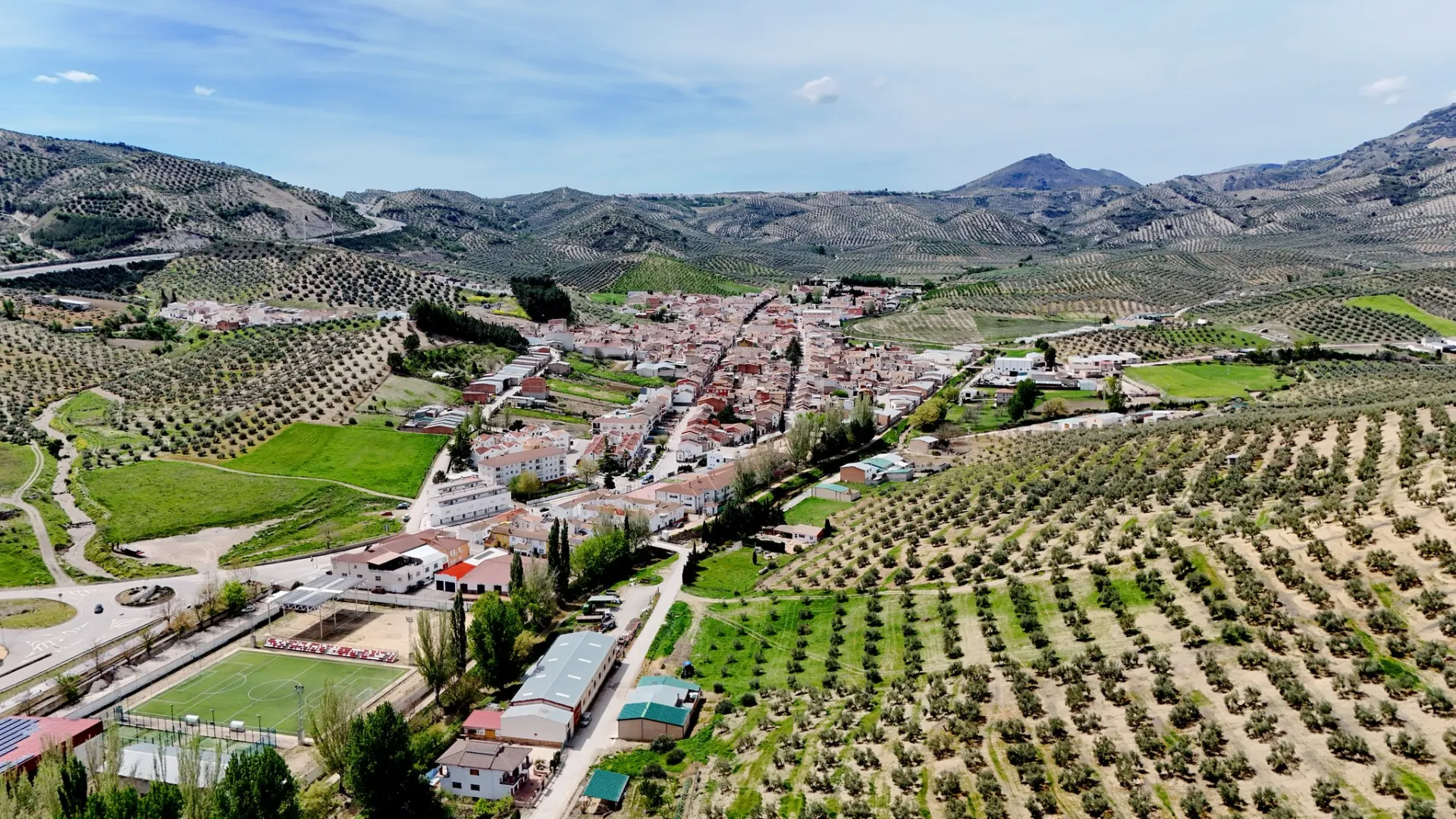
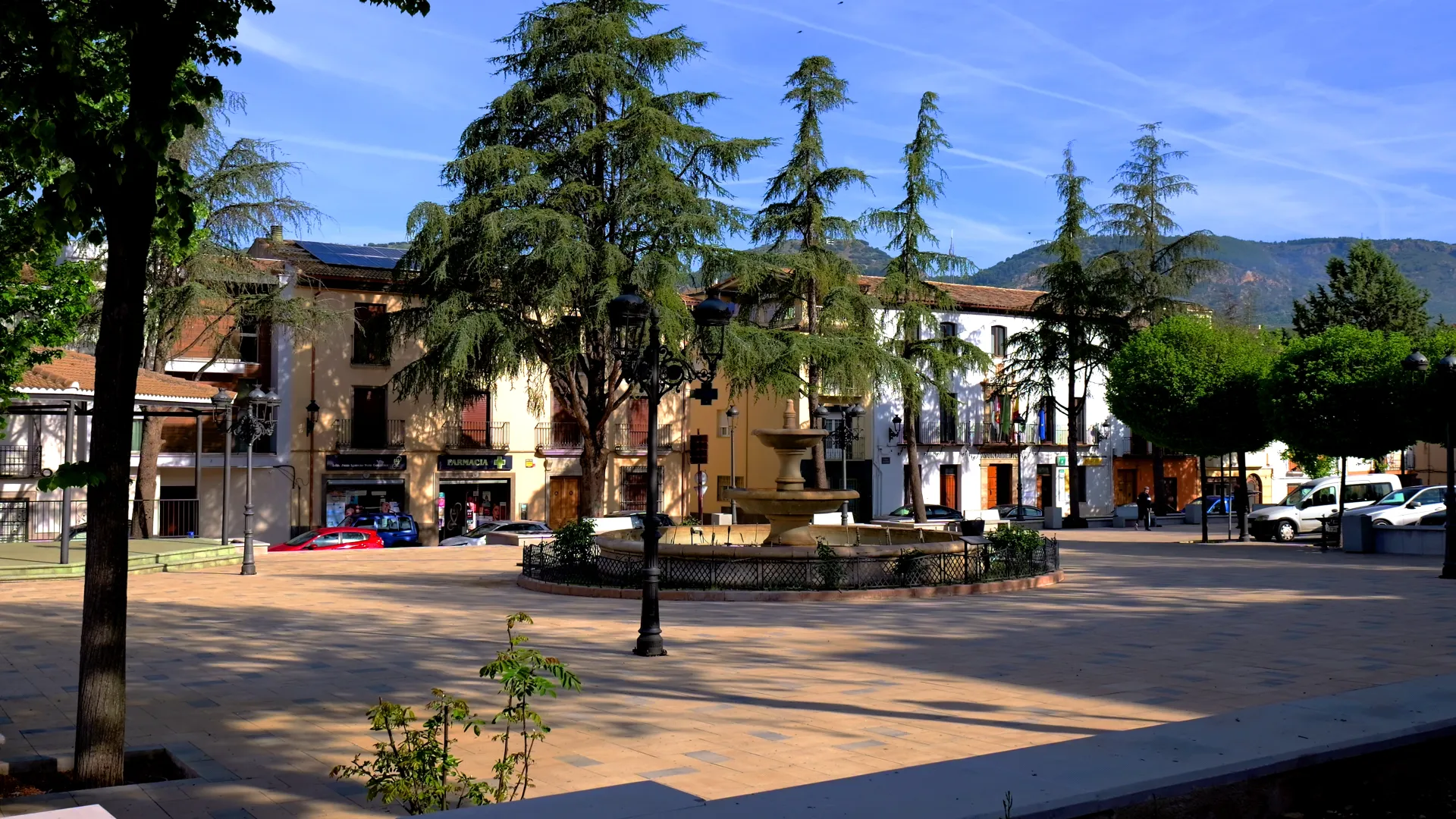

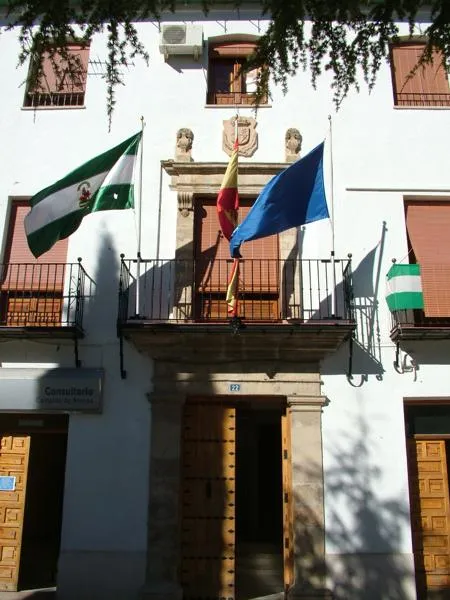
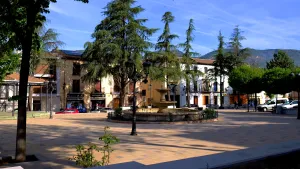


Campillo de Arenas is a small municipality belonging to the region of Sierra Mágina, located on the southwestern end of the province, in the heart of Sierra Sur, in the valley of the Campillo River, which will then be Guadalbullion before pouring its waters in the Guadalquivir.
Mountain area where the cereals and abundant olive groves alternate with areas of saw of forest grounds, permanent pastures, topolars and splits, drawing together an ideal landscape for walking and performing outdoor activities.
The natural enclaves are abundant, highlighting the surroundings of the Quebrajano swamp and the Hazadillas Canyon, as well as the limestone of Puerta de Arenas, which is located about 7 km away. of the town.
The main economic activity is that derived from the olive tree, which reaches 33% of its term. It follows in importance the activities derived from the processing industry of pigs and milk, with an important production factory. All this, complemented by the breeding of birds, goats and pigs. The oil stands out for its quality, and is marketed under the Sierra Magina Name of Origin.
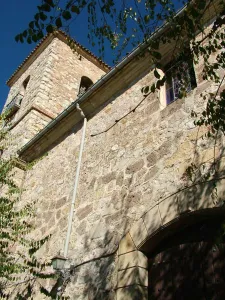
As a historical building, the Parish Church Our Lady of the Incarnation, of Renaissance shape, stands out.
Is part of


His artistic heritage highlights:
The best way to discover the characteristics of nature in this privileged environment of Sierra Magina, is to approach one of these natural enclaves to live the landscape, fauna and flora of this territory. We will detail some of them:
The fauna of Campillos de Arenas is very varied, and here we find birds as emblematic as the grubb, the perdicular eagle, peregrino hawk...; mammals like the common badger, boar, mountain goat... as well as various reptiles.
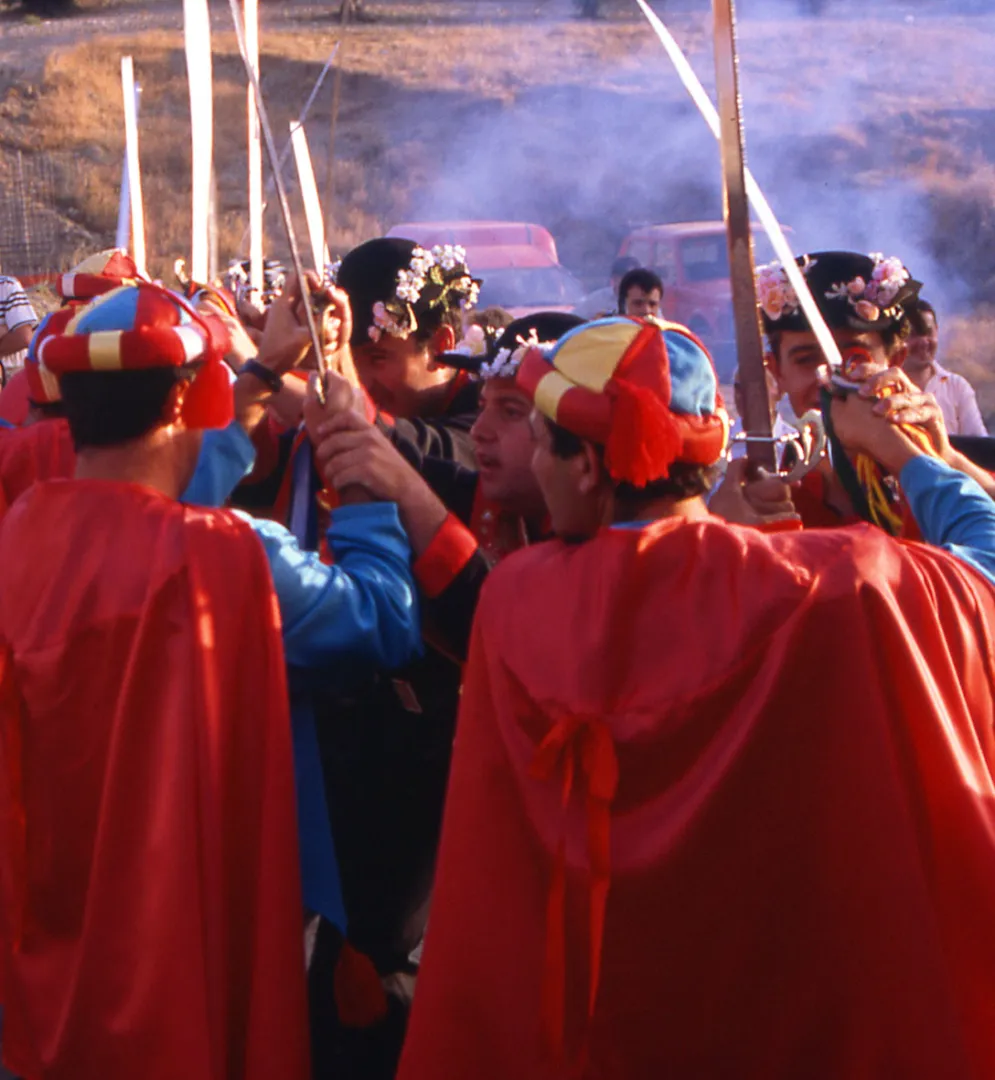
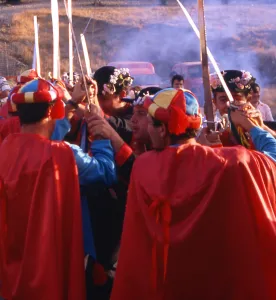
The second weekend of August is celebrated in honor of the Patron, The Virgin of the Head, popularly known as Moors and Christians.
The events begin on the afternoon of Saturday when the Virgin is processed, taking place during the first journey "forward" of the military representations between Moors and Christians. After midnight the Virgin of the Head will again process. On Sunday morning there will be new struggles between both sides, they will cross the swords in a primitive ritual dance of great plastic beauty. It will end with the parliament of the ambassadors of Moors and Christians.
It also has the "bells"that in the morning of Sunday, accompanied by bells, guitars and banduries, will sing "Las coplas de la aurora," traditional popular compositions of salutation to the Virgin, inviting everyone to participate with the prayer of the rosary.
On February 2, the party of La Candelaria, which is popularly known as "day of the birds.", since the children attend the Mass and procession of the Virgin of the Rosary with bouquets of rosemary made of bread, painted in multiple colors and with feathers.
On Pentecost Sunday the Saint Lucia's Romeria. On this day it goes from Romeria to the Arte de Arenas hermitage dedicated to Saint Lucia. The devotion to the saintly protector of the sight comes from immemorial times, so is a document dated 1837, which speaks of the existence of a picture of the saintly placed on a stone of the riverbed and which was destroyed by the shooting of the bandits, which for this reason became blind.
The Sunday following the day of Ascension is held a Romeria to the hill of the Arab castle, where there is a hermitage dedicated to the Ascension of the Virgin. There is a mass of thanksgiving and the fields are blessed. He is popularly known with the party of cigars.
There is news about the gastronomy of Camillo de Arenas since the 18th century, as it was a stop and a fonda of the travelers who were going to Granada. They highlighted the scented partridges, the garlic rabbit and the products derived from the pig, among others.
The production of pig products. Different types of chorizo, bites, loin, ham, longanizas, which here they call sausage.
A cooking with chickpeas and pork products is prepared, accompanied by a gazpacho made from olive oil, garlic, vinegar and bread miga.
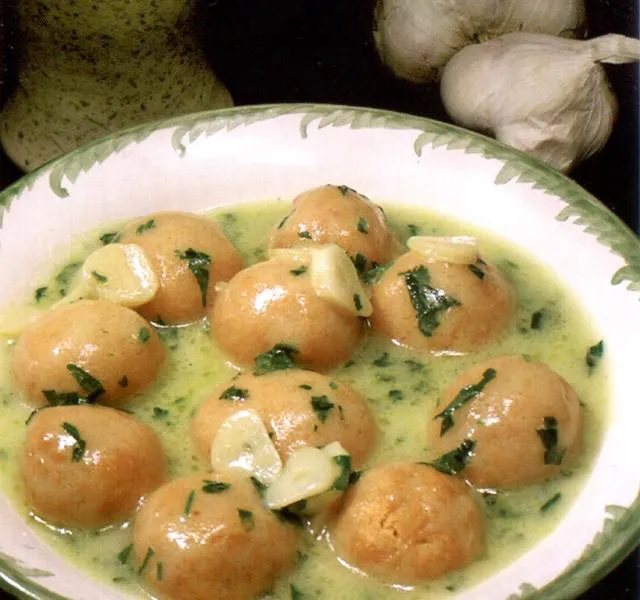
On Easter the sign dish is the "potting of white beans with chickpeas and cod"traditional Good Friday food. For the days of vigil, cod meatballs are also prepared in fried or broth cod, encebollated cod and beehive tortilla.
In the days of great celebrations, roast or stew of lamb, goat, choto or rabbit are prepared.
In the pastry shop they have a great assortment:
Camillo de Arenas was founded by Real Cédula de la Queen Doña Juana, but it would be Carlos I who gave him the title of a villa in 1539.
The numerous remains found in different places of the town show that it was inhabited in prehistoric times of the Paleolithic and the Neolithic.
An argaric village has been found in the excavations at Puerta de Arenas. The buried sites found are large slabs with remains of individuals and their ajuars in bronze and mud vessels. There is also a record of the existence of Iberian populations.
The abundant remains found, pieces of vessels, Roman tiles, lacquered glass rings, bronze cups and recently in the corrijada of Casablanca, two bronze figures representing the goddess of agriculture and a rooster, show that the Romans had here camps.
The tombs found next to the corrijada of Casablanca correspond to visible burial. At the beginning of the 20th century, a visiotic treasure was found, made up of glass beads, a copper bracelet, handkerchiefs, pins and a buckle. The pins have the head of a scrap, where a piece of stone or glass was set. This treasure was acquired by the National Archaeological Museum.
The Arab remains are of great interest, for being a Christian-Arab border during the Reconquest. We have in the Cerro del Castillo the historical ruins of a fortress that was part of the Nazarite Kingdom of Granada for many centuries, until it was conquered by the Catholic Kings.
During the Independence War, a battle between constitutional troops and the French army took place in the Sand Campillo.
The knights who were traveling in the old steps were reunited in the typical Campesian inn, with many of the illustrious characters who visited this town.
In one of its saws, shared with the municipalities of Noalejo and Valdepeñas de Jaén, the Sierra del Trigo wind park.
Another curiosity of this town is the production of chorizos that carry among its ingredients sheep's or goat's meat. They give us the indication that you have to consume them soon to prevent them from getting too hardened.
1
1
3


