Contact Details
Fax: 953 435 277

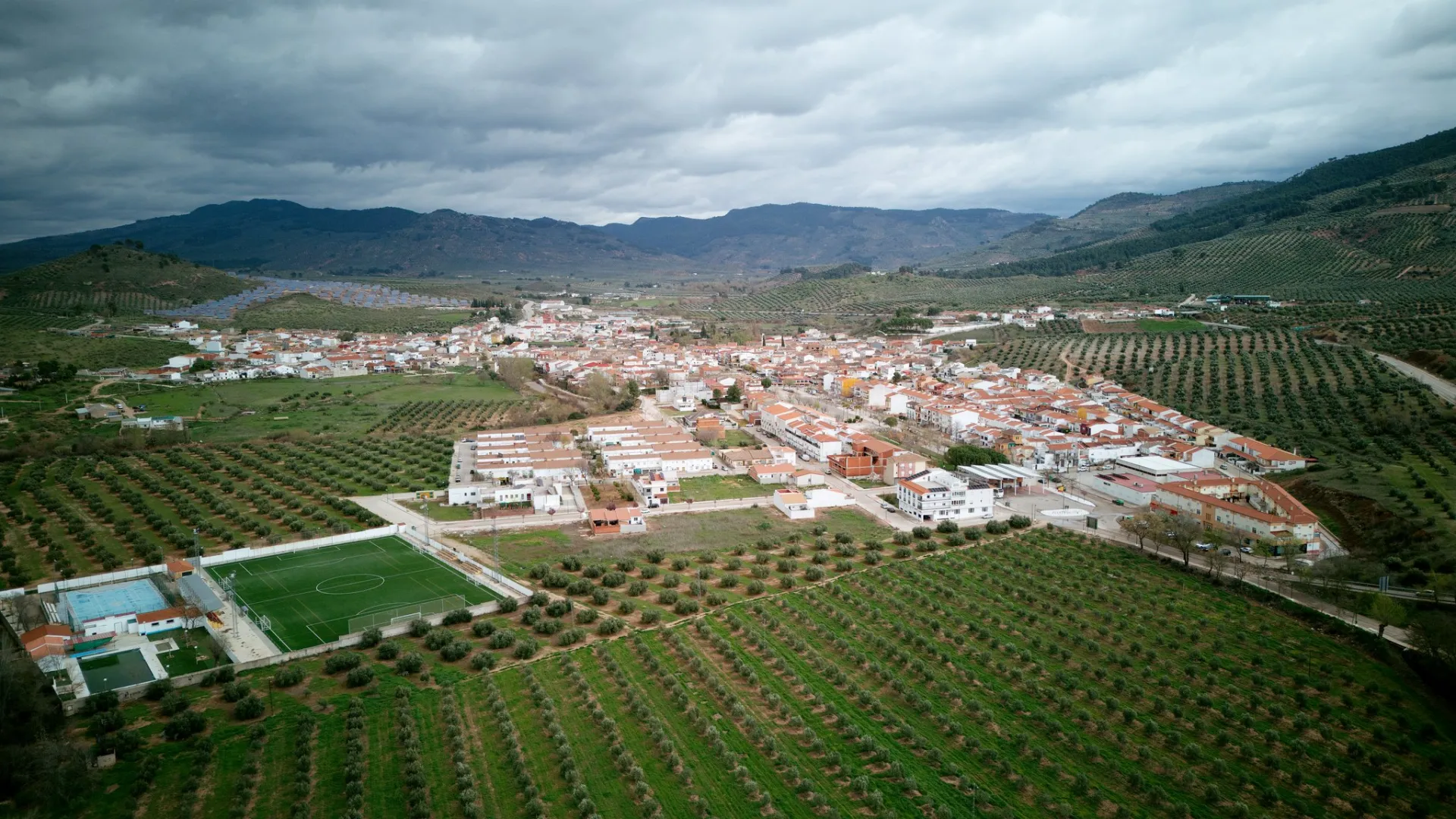


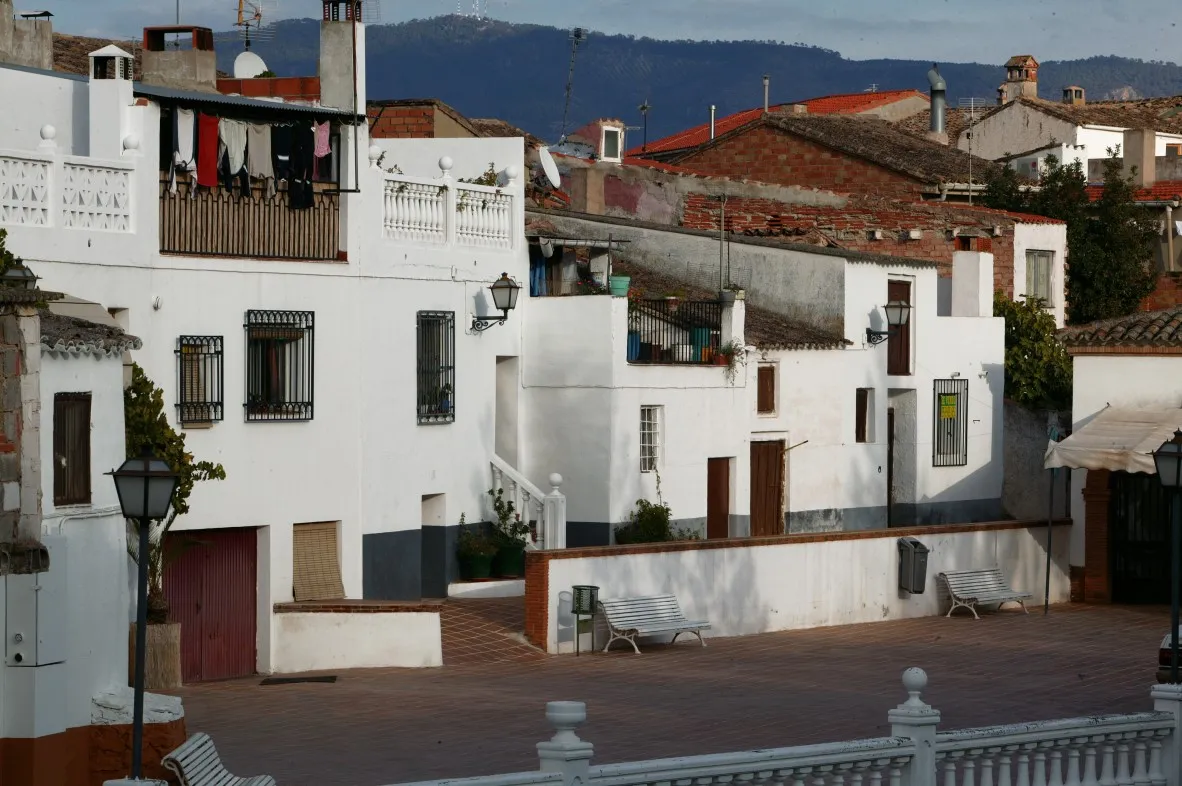
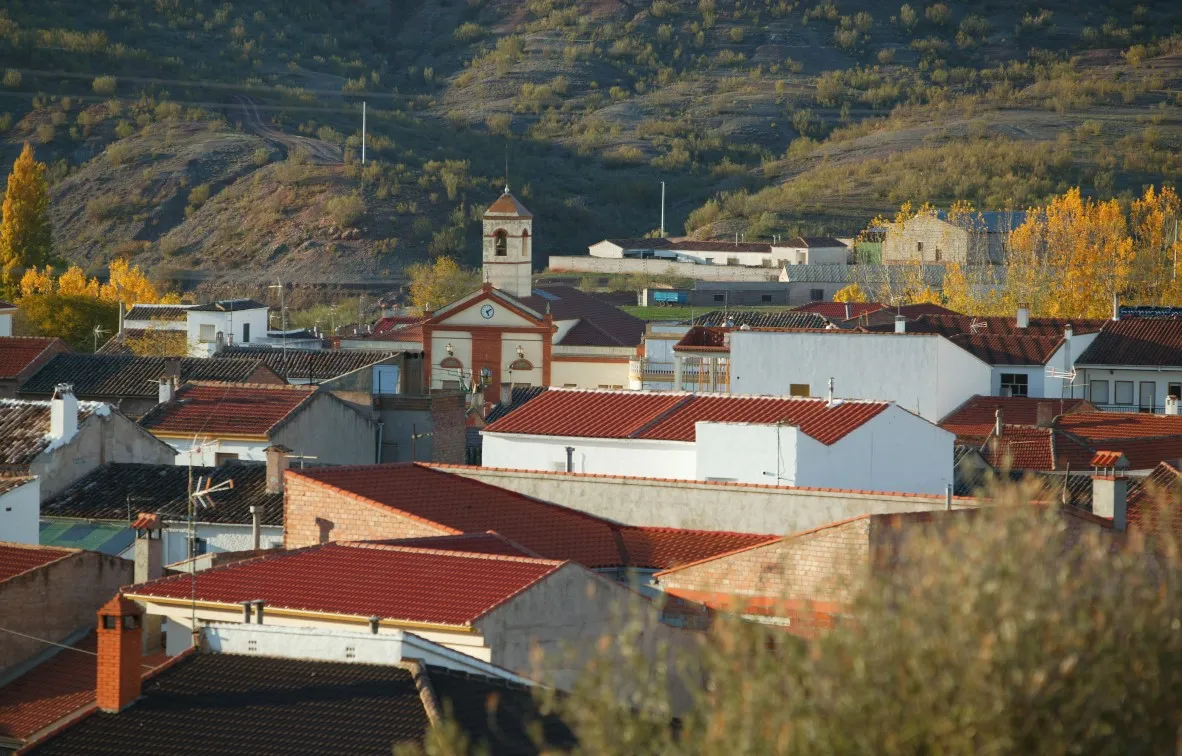

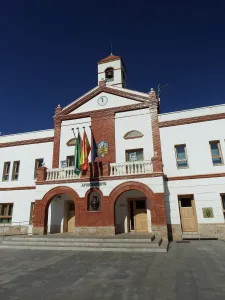


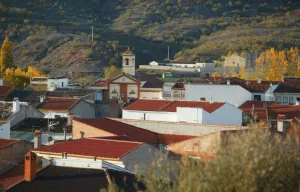
The Jienese population of Génave Bridge is located at north-east of the provinceat the natural entrance through this area to the Sierra de Segura.
Located at the head of the Guadalimar Riverwhere the most eastern foothills of Sierra Morena and the Sierra de Segura are joined.
Its privileged location, at a road crossing and next to the N-322 road, Dancing, has made the population a knot of economic activity.
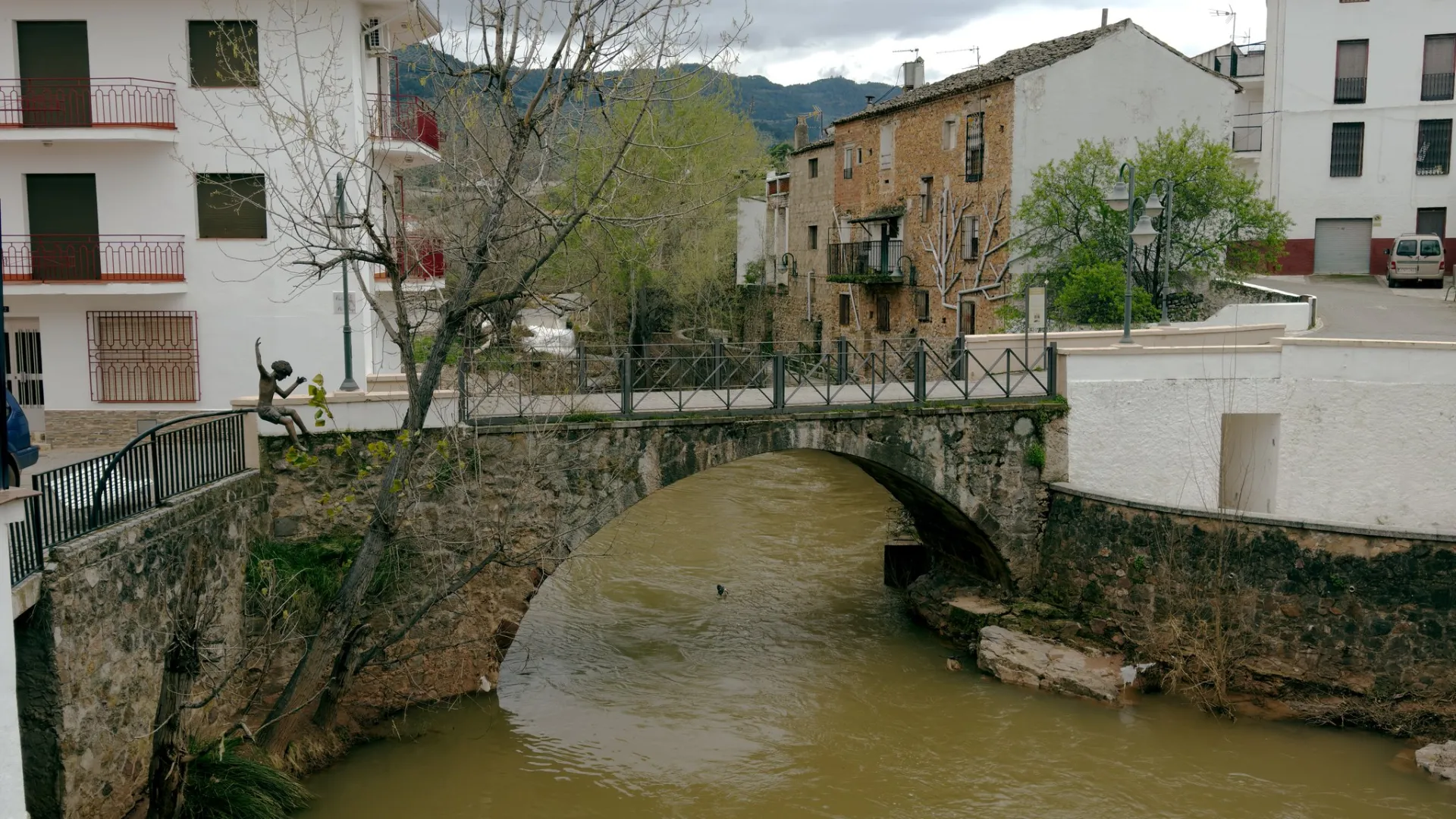
As his name indicates, because it was in the Roman era a route to Génave, the bridges on the Guadalimar River are a constant that appears in several enclaves of the municipality: the 19th century bridge and Roman bridge, partially preserved.
Like the neighbouring peoples, much of its economy is based in the agriculture, in particular in olive cultivation. There is a cooperative and a bottling machine "Olivar de Segura" with oil of origin.
Su landscape is made up of land of olive groves and mountain areas.
It has two pedanities: The Tamaral and Peñolite.
In its artistic heritage has monuments of interest, such as the church of San Isidro Labrador, The Old Bridge and the Castle of Peñolite.
Is part of


This small municipality of 38 km2 surface, 540 m located in the region of Sierra de Segura, it is essentially agricultural, and its economy depends on the olive, to a lesser extent of cereals and other herbaceous.
Minor hunting is abundant and fishing can be done in the Guadalimar River.
The Guadalimar is the river that passes through the village, which is visited by tourists and fishermen to the fishing of the boat. In its passage through the term, it forms a fertile garden.
In the municipality of Puente de Génave we have three ecosystems well differentiated: the ecosystem of the mountains and high areas, olive and arable cropsand, lastly, orchards and wetlands by the banks of the rivers.
For this reason the vegetation is also abundant and very varied. Here we can observe from the river vegetation, next to the river and stream, with species such as: chopos, birches, alms, willows, mimberas, carrizos and swordsmen.
In the higher and larger areas We'll find Cucumbers, larix pines, junips, cornicabra, complaints, shrubs like tumours and splits. As we lose height, the pines and olive trees will appear.
The faunain line with vegetation, as well is varied and abundant. If we walk through the term, it'll be easy for us. discover rapaceslike eagles, close them, and plunder; Night rapesLike owls and mocha.
In the most steep and high areas we find the major hunting species: boar, muflon, mountain goat...
Small game animals proliferate in the olive and herbaceous crops area: rabbits, hares, partridges, foxes... Without forgetting the fauna that lives in the olive tree or that they use it as a place to feed and replenish forces on the long migration flights that they are forced to carry out in two moments of the year. Among them are the Insectivorous birds of great importance for the control of pests in a natural and ecological way: the grubb, carboneros, tordos... In addition fauna on the banks of rivers and streams: tents, salamander, barbos..., amphibians and reptiles.
Puente de Génave is a town that is in the right way orientating towards tourism, to make known the rich natural heritage it has. Of the many natural enclaves with interest to visit, we quote:
There are testimonies that the territory was occupied in the Paleolithicin the terraces of the Guadalimar and in Cerro Migallejo.
From the Bronze age several settlements have been found in easy-to-defend hills: Two Sisters, Guru.
Although the origin of the city goes back to century I BC, with the construction of Old Bridge, which was part of the Roman road linking the Guadalquivir River Valley with Cartagena. The existence of a mill near the bridge was important to the foundation of the village.
In the first third of the century, it grew rapidly because of the momentum of some abandoned mining farms.
In the Roman times the Old Bridgewhich is still preserved and which was part of the route it was joining Catulus (Linares) with Cartagena.
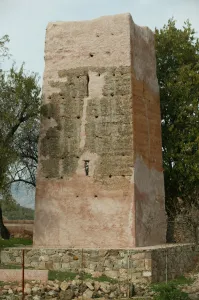
During Muslim period was built in the village of Peñolite a fortress today is known as The Towers. At present, only two of them are preserved, which are very much destroyed, but this castle built by the pillows would consist of four towers.
After the Christian conquest, these lands would remain within the term Segura de la Sierra.
The municipality of Puente de Génave dates 1933, the year in which it was segregated from La Puerta de Segura, and is now set up as an agricultural town dedicated to the cultivation of the olive tree.
In 19th century, the population in the urban centre of what is today the Génave Bridge, which until then was scattered in several nuclei: Pedro Henares, El Molino, Las Animas and La Mina.
In this century the construction of the parish church of San Isidro Labrador.
Among their villages and villages We have to highlight: Peñolite, New Cortijos, El Tamaral and Avileses.