

Tourist Office

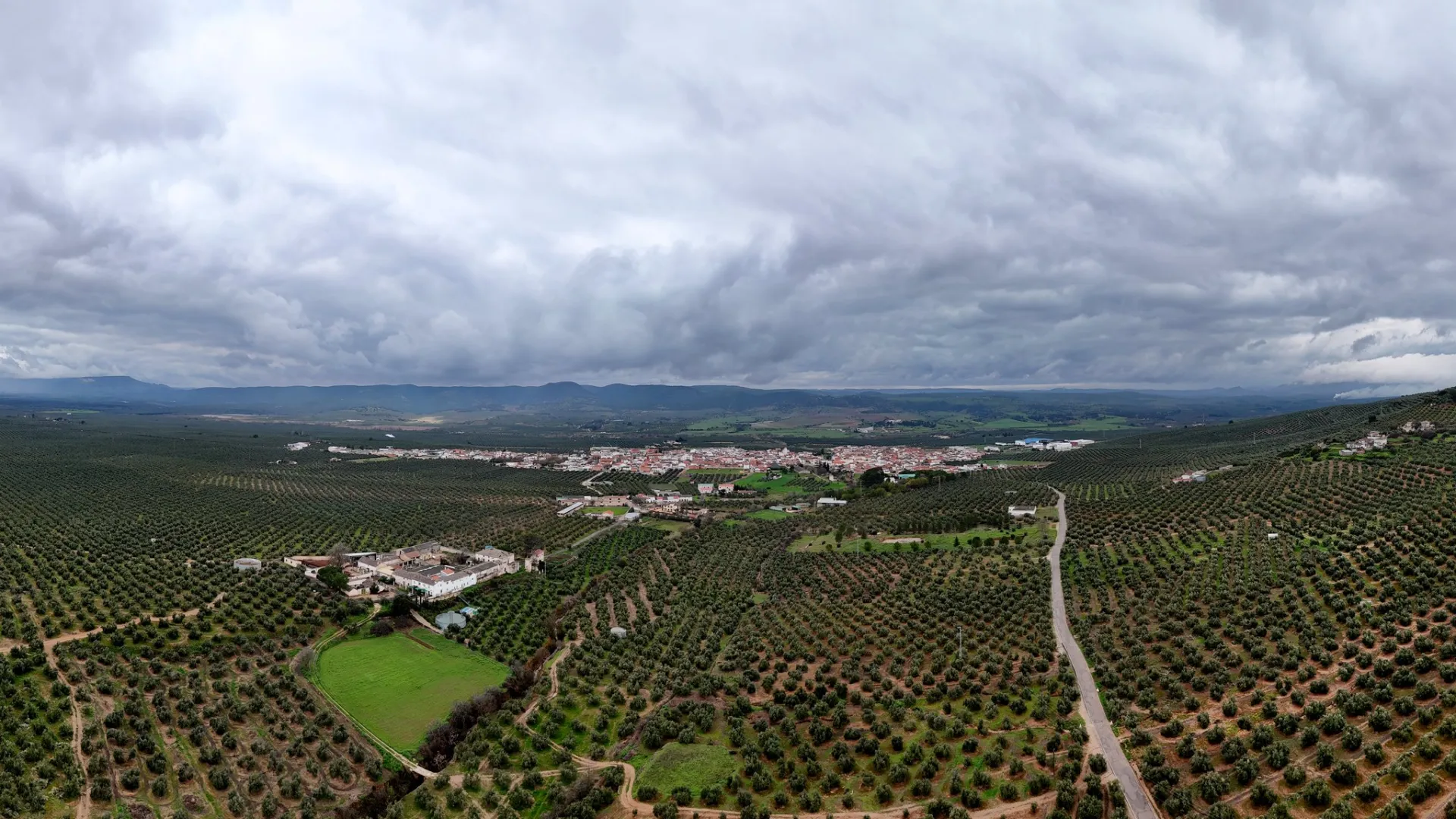





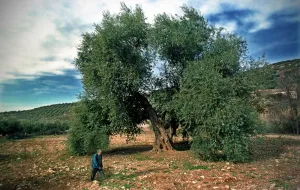

Arroyo del Ojanco (Jaén) is surrounded by a sea of olive trees, and located in an immense plain is the best located municipality of the Sierra de Segura region by its strategic enclave of the N-322, which crosses its urban centre. The people and services have been growing in this important way of communication.
It is the magical point that unites Andalusia and Levant from the Antiquity, a cross of roads and a cross of cultures. Arroyo del Ojanco, a serrano municipality, welcoming, dynamic, entrepreneurial and cultural with little more than a lustro of life as independent (constituted in 2001). I presume to be the youngest municipality in the province and certainly one of those facing the future with the greatest optimism.
Is part of


The cultivation of the olive tree overwhelmingly occupies almost all of its municipal territory. High quality oils are obtained, protected by the designation of origin Sierra de Segura. Among the olive trees are natural jewels such as the Olivo de Fuentebuena, a millennial tree erected as a symbol of the municipality.
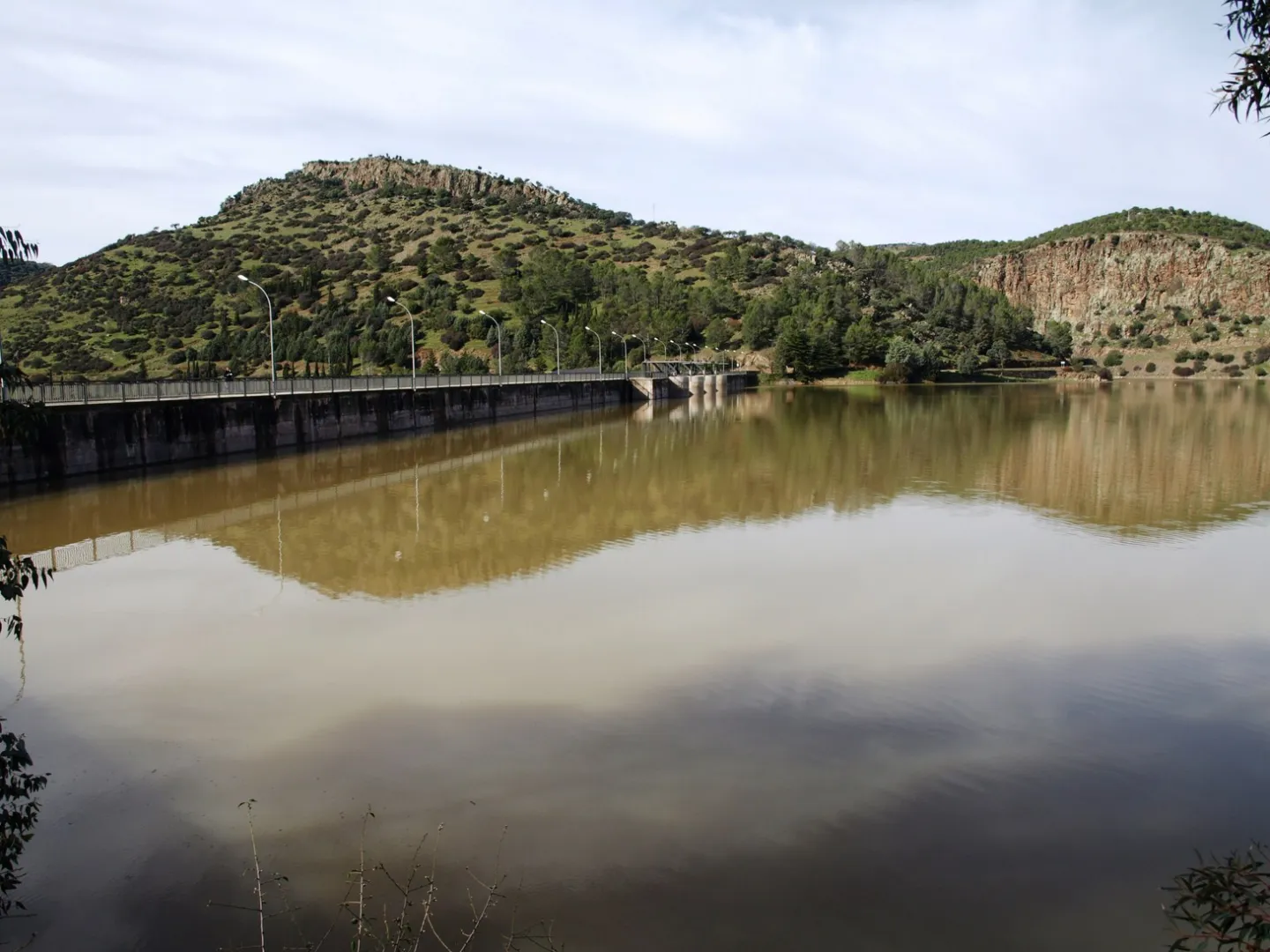
The Guadalmena and Guadalimar rivers extend their municipal term, giving away a landscape of Vega to the Guadalimar, with its characteristics of plain and hydrographic wealth that is part of the orographic set of the Sierra de Segura. Near the municipality, in the direction of Puente de Génave, is the reservoir of Guadalmena, the third large swamp of the province.
The urban fabric of this municipality, before the Sierra de Segura, was formed at the beginning of the last century, by the febrile activity that caused the construction of the Baeza- Utiel railway. Its streets are elongated and its layout completely flat.
Although Arroyo del Ojanco is a newly founded town - its current population core dates back to the end of the XXth century - there have always been villages from the oldest age living in its area of influence. In fact, there are remains of the Stone and Iberian Age in the surroundings, but the most important are those of the Roman villa of Los Baños.
With the arrival of the Arabs this one disappeared, with towers left on both sides of the stream of this name. During the 19th century, he was called in different ways and also with the "Sales" appeal, as well as Arroyo de los Ancos. Even in the early 20th century it is sometimes named as the Sales of the Camposina, at the same time as Arroyo del Ojanco.
From 1950 onwards the segregationist movement of Beas de Segura began, to which it has been united until 2001.
Villa Romana de Los Baños
The Cortijo de Los Baños is the place where a great Roman villa is located. This site, located on the occasion of an olive plantation, was the subject of an emergency excavation whose results demonstrated the existence of other cultural horizons, between the Calcolitic and the Old Bronze, although the most significant is the one corresponding to a Roman, low-imperial villa dedicated to agricultural exploitation.
The development of the villa begins around the second half of the 1st century of our era to judge by the existence of some Roman ceramics of the type terra sigillata. From this time dates a brick structure from which remains are barely preserved.
A restructuring was then carried out with the construction of new buildings and new pavements. Finally, a third phase from the historical point of view is the one called Baños III, bajoimperial, which is extended until the fourth century, and to which correspond the structures of a large villa with extraordinary mosaics corresponding to the area of a marked agricultural settlement.
The site is currently protected by a cover of land deposited after emergency excavations.
Church of the Immaculate Conception
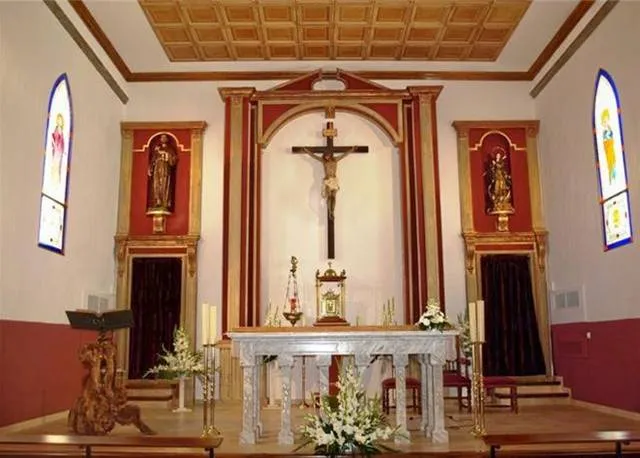
It is a temple of the early last century, though restored in the mid-1950s. On the main altar are the two patrons of the village, San Francisco and La Immaculada and, on a side, a size of the Holy Family. It has a ceramic altarpiece with the image of The Immaculate.
Fuentebuena olive
The millennial olive tree of Fuentebuena is one of the symbols of Arroyo del Ojanco. This is a privileged vestige that has resisted so many generations between corns and bandages, between ice of raw winters and summers of extenuating dryness. What characterizes this great tree are its dimensions, as it reaches 10 meters high and its trunk exceeds four meters of perimeter, from the base to the cross, after which it is fork in two thick branches whose contours are 2.10 and 2.80 meters. Its size is 260 cubic meters.
The weight of its numerous ramifications and the high olive production it throws in a normal campaign, force its dense foliage to rest on the ground at many ends of its cup. To access the Fuentebuena olive, you have to go from the urban core of Arroyo del Ojanco to the local road JV-7.005 towards Beas de Segura. As you pass the crossing of Prados de Armijo, the olive tree is about 50 metres from the road.
Among the legends that have been forged around this tree, the one that claims that it was planted by a few begging friars after the Reconquist, ensuring that the olive oil for the Holy Ones was not lacking. Others believe that he was born of a blessed branch on the day of Palm Sunday and planted the next, Easter Monday, an uncertain year.
3
5
5


