





TU AVENTURA COMIENZA AQUÍ





Agenda
2
Oct
Fiestas Patronales en Honor a San Francisco de Asís
2 Octubre 2026

2
Oct

2
Oct
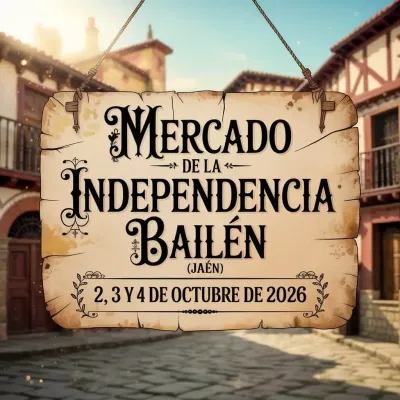
Mercado de la Independencia 2026
2 Octubre 2026
2
Oct
Recreación de la Batalla de Bailén'26
2 Octubre 2026

3
Oct
Concierto de Lela Soto
3 Octubre 2026
Cine - Teatro de Porcuna

4
Oct
Nuestra Señora del Rosario
4 Octubre 2026

7
Oct
Romería y Feria en honor de la Virgen del Rosario
7 Octubre 2026

7
Oct
Virgen del Rosario
7 Octubre 2026

7
Oct
Centro de interpretación Olivar y Aceite de Úbeda: 7ª Rutas del Aceite
7 Octubre 2026
Centro de interpretación Olivar y Aceite de Úbeda

9
Oct
Fiestas de la Virgen de las Batallas
9 Octubre 2026

9
Oct
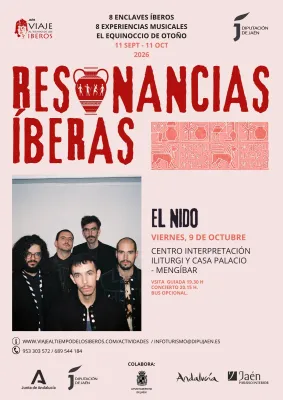
VISITA GUIADA Y ACTUACIÓN DE EL NIDO, EN MENGÍBAR EL 9 DE OCTUBRE
9 Octubre 2026
CENTRO DE INTERPRETACIÓN ILITURGI Y CASA PALACIO - MENGÍBAR
10
Oct
Feria de San Lucas
10 Octubre 2026

12
Oct
Fiestas del Barrio del Pilar
12 Octubre 2026

13
Oct
Certamen Internacional de Novela Histórica: Ciudad de Úbeda
13 Octubre 2026

15
Oct
Festival Internacional de Teatro
15 Octubre 2026

17
Oct
VI Jornadas Canena y su castillo
17 Octubre 2026

25
Oct
Romería de la Virgen de Cuadros
25 Octubre 2026

30
Oct
Festividad de Todos Los Santos
30 Octubre 2026

31
Oct
Los Santos
31 Octubre 2026

4
Nov
X Fiesta del Primer Aceite de Jaén
4 Noviembre 2026

DESCUBRE
NUESTROS TESOROS
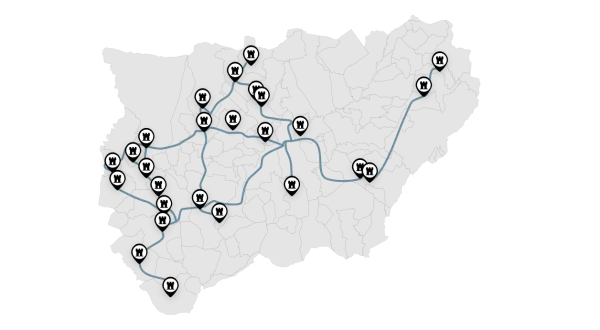
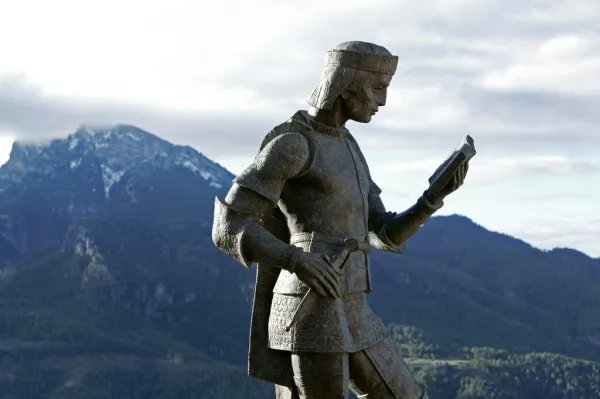
Castillos y Batallas
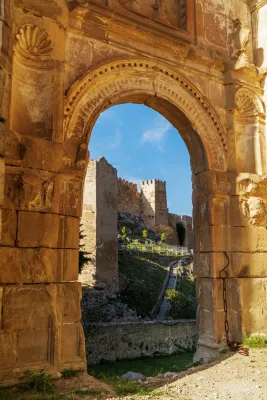

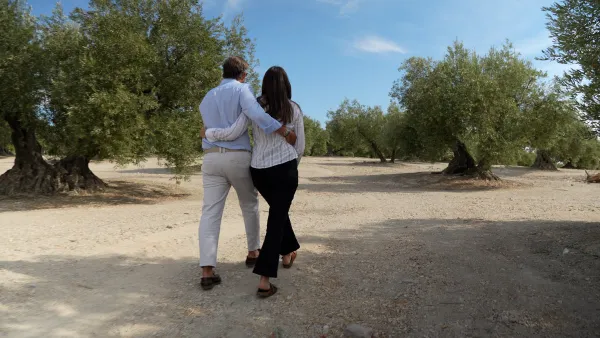
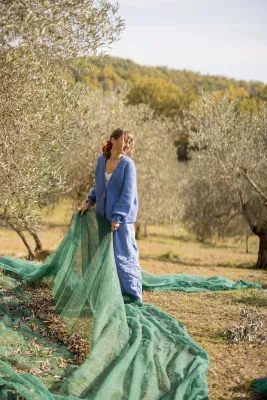
Oleoturismo

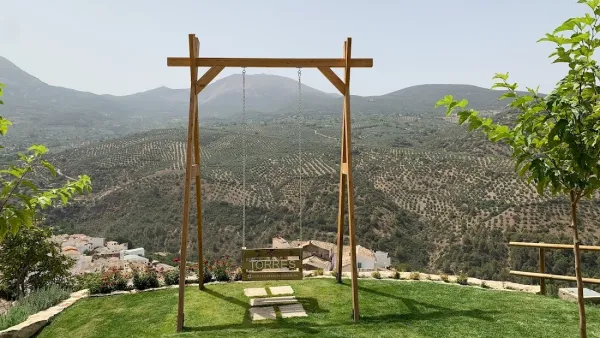
Sierra Mágina

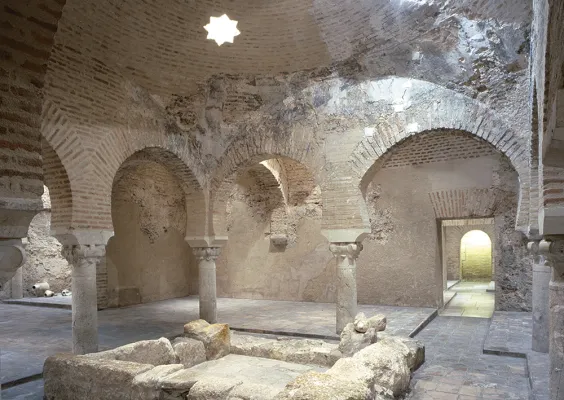
Viaje al tiempo de los íberos
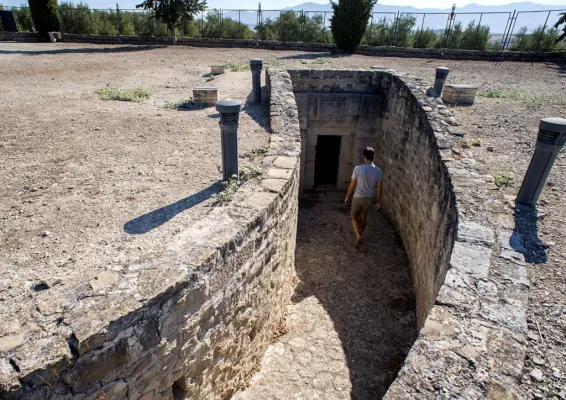
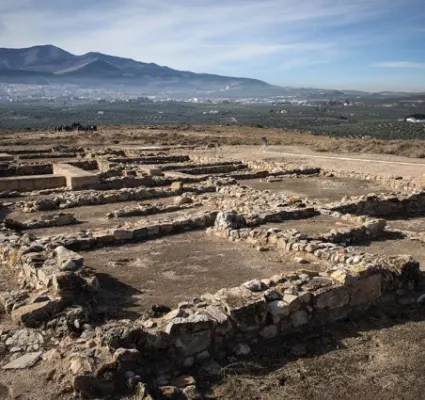
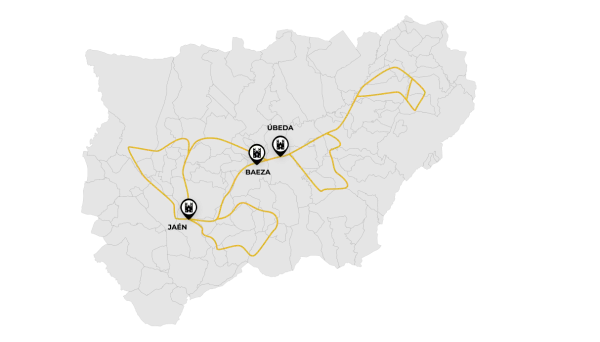
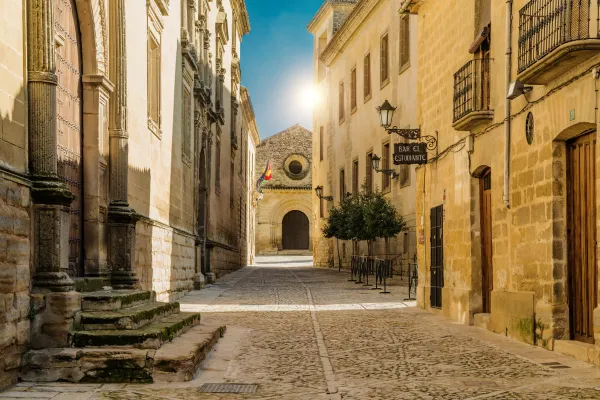
Renacimiento del Sur
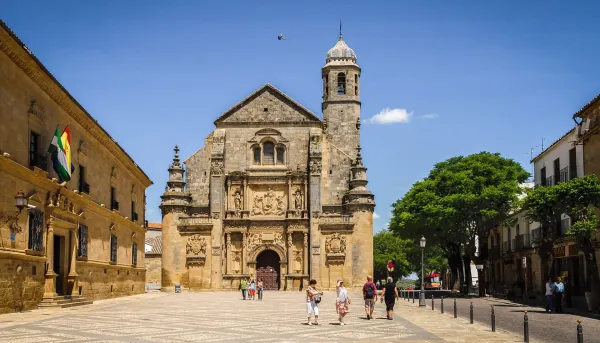
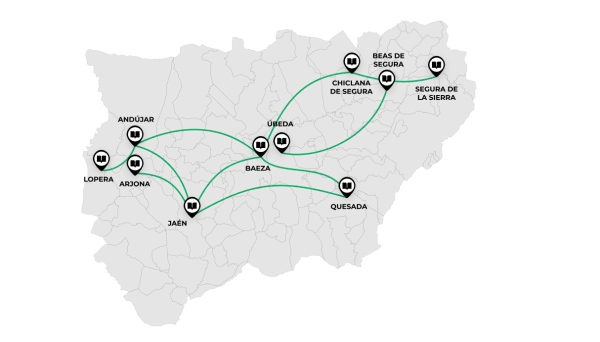
Rutas Literarias
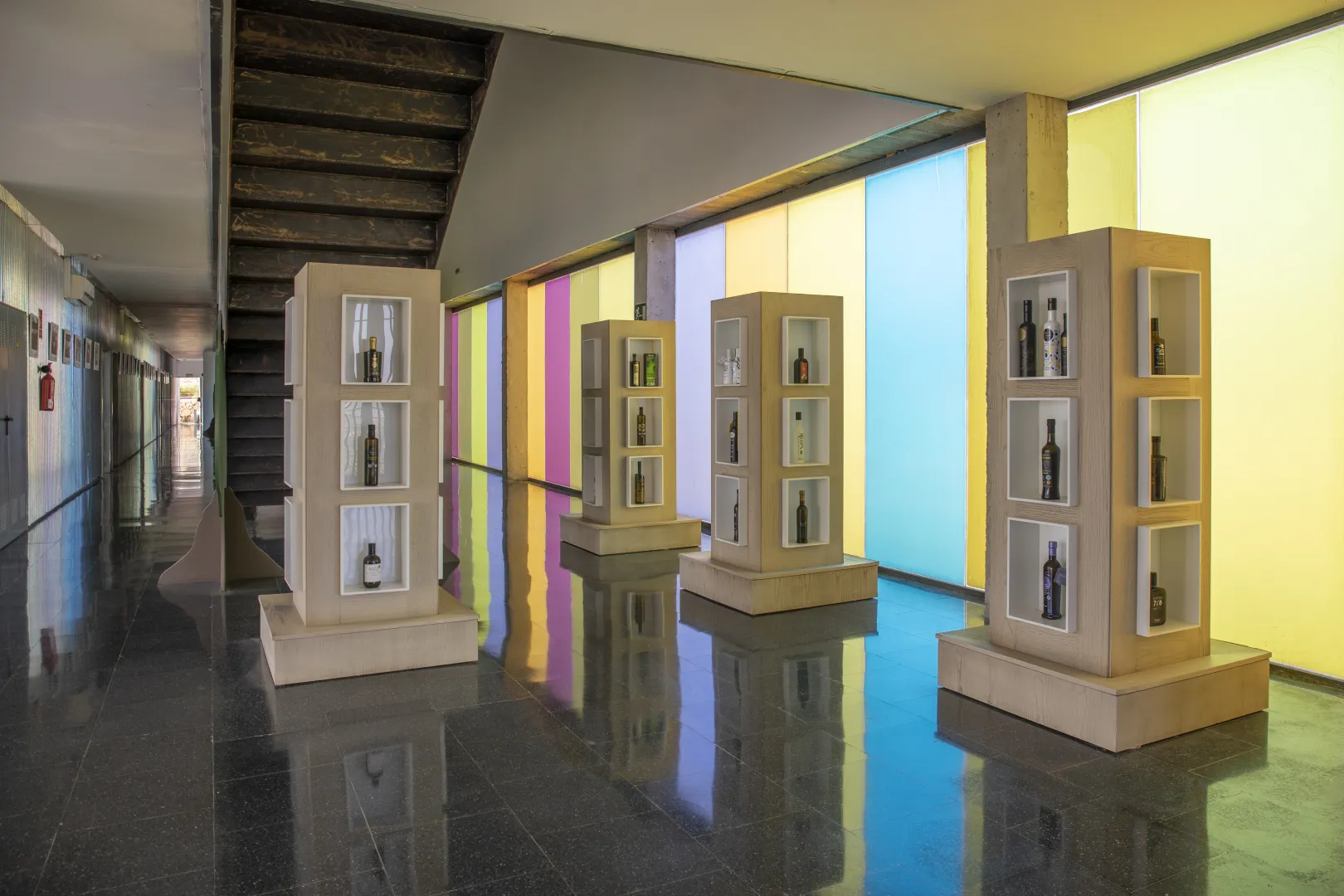
JAÉN DE FORMA INMERSIVA
JAÉN DESDE EL AIRE
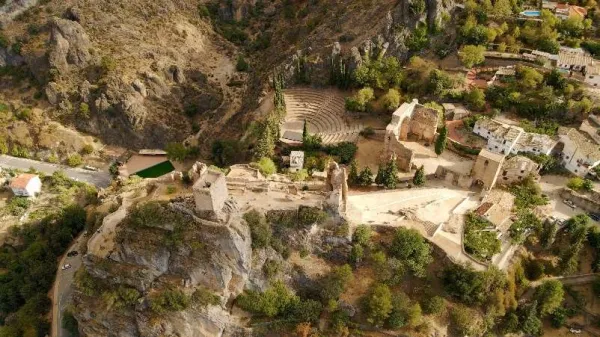
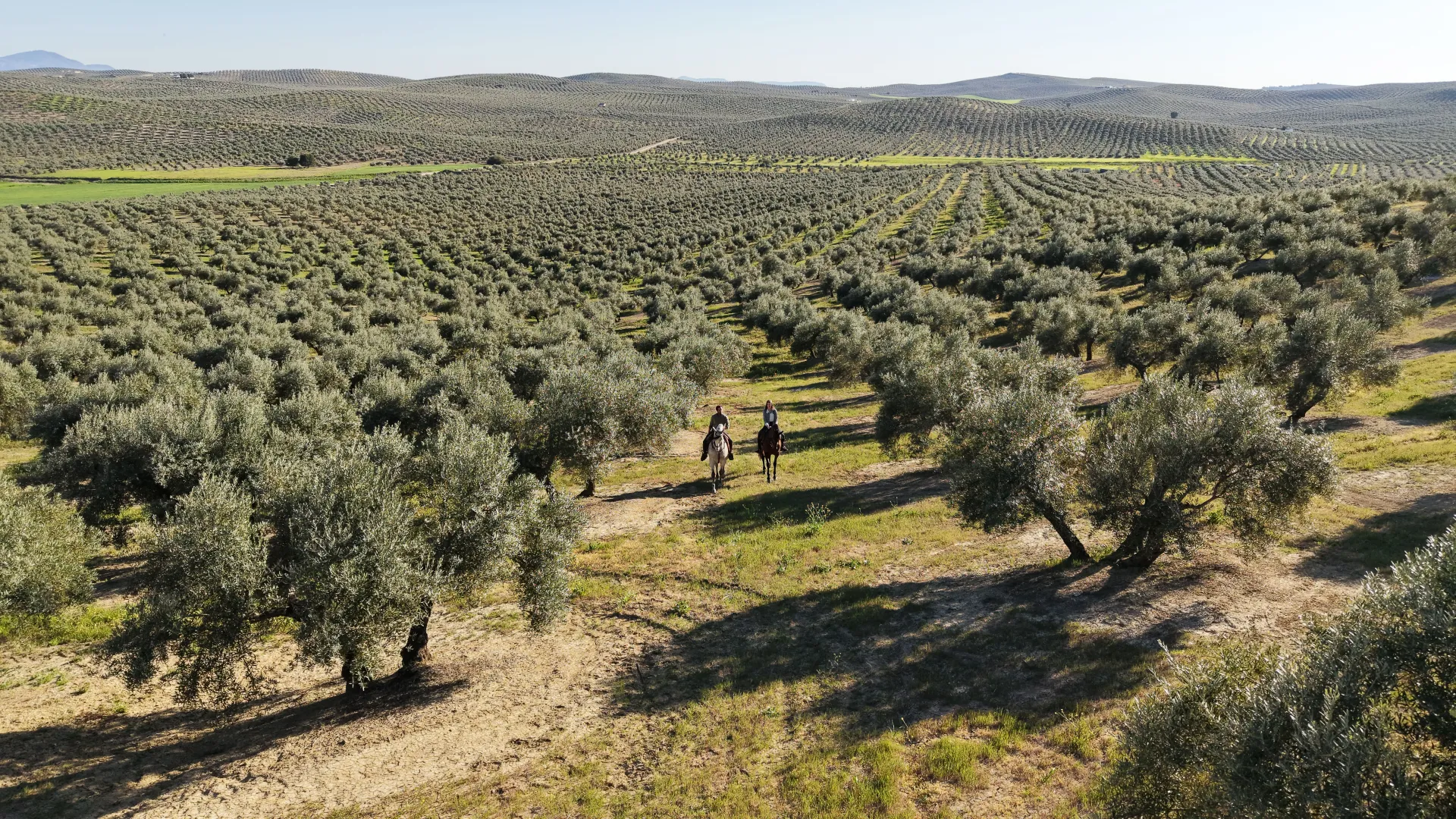
Vuela sobre castillos, pueblos y el mar de olivos con vídeos 360
vuela
¿A QUÉ SUENA JAÉN?
Escucha el latido de ambientes reales con un mapa sonoro
escucha
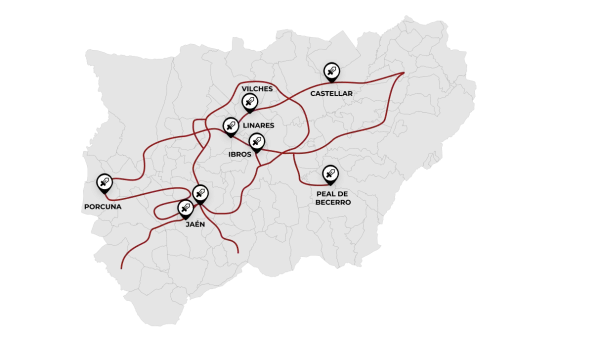
EL MAPA DEL AOVE
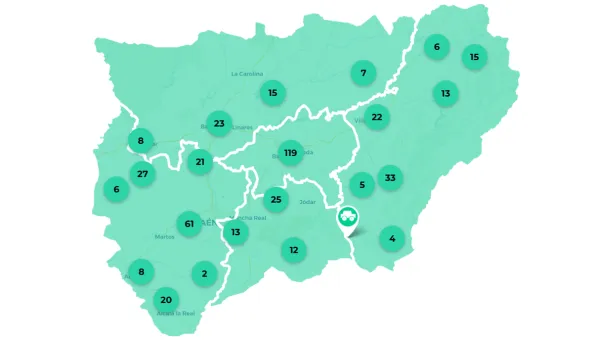
Navega por un mapa interactivo dedicado al oleoturismo
navega
RELATOS JIENNENSES
Descubre la vida diaria de distintos perfiles profesionales de Jaén
descubre
JAÉN EN LA HISTORIA
Explora legado de distintas civilizaciones que dejaron su huella
explora
SOSTENIBILIDAD
OTRA FORMA DE CONOCER JAÉN
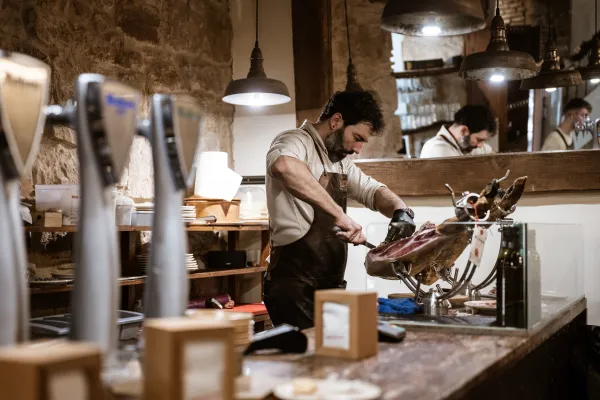
El sabor de la autenticidad
De las tabernas centenarias de "tascas y linares" a las Estrellas Michelin que reinventan nuestra esencia.

Productos de Jaén
Descubre una amplia variedad de alimentos artesanales y ecológicos: aceites, miel, embutidos y mucho más.
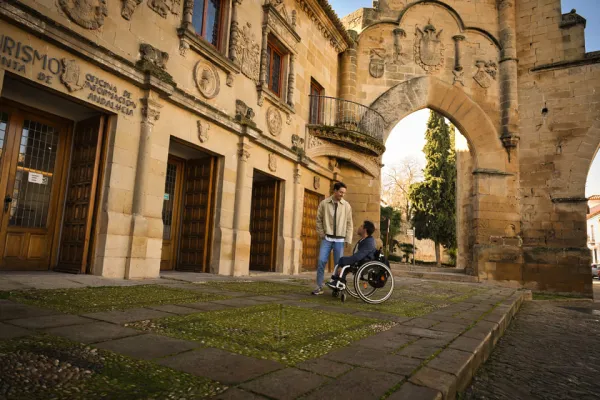
Jaén accesible
Turismo sin barreras.
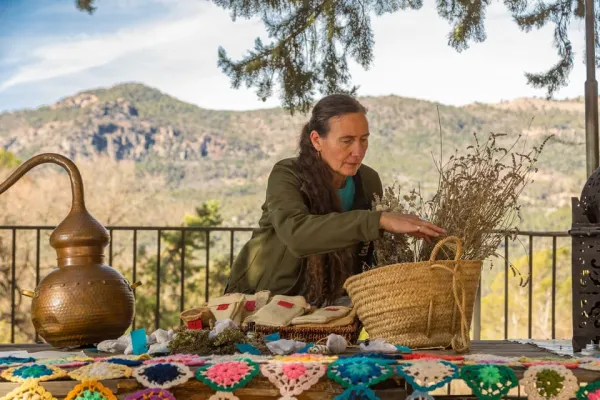
Actividades sostenibles
Las actividades sostenibles en Jaén Paraíso Interior combinan el ecoturismo activo, el oleoturismo regenerativo y la protección de sus cuatro parques naturales.
LLÉVATE JAÉN CONTIGO
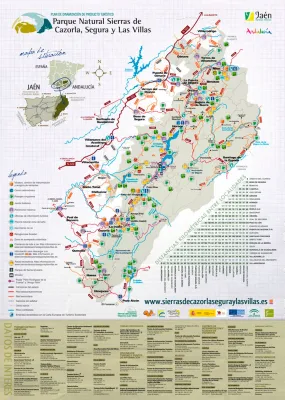
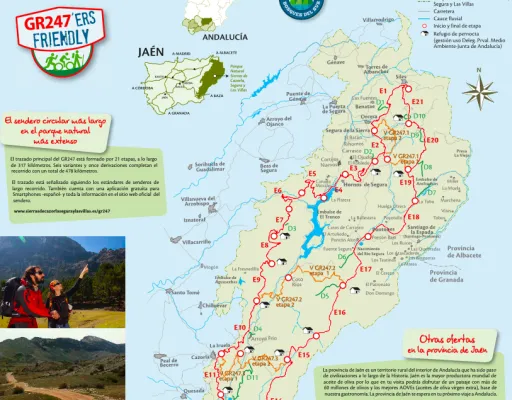
Descarga nuestras guías y recursos para planificar tu viaje y descubrir el territorio a tu ritmo. Elige tu guía, inspírate y empieza a explorar.