Tourist Office
https://cazorla.es/turismo/
turismo@cazorla.es



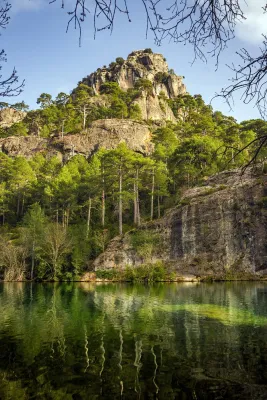
Cazorla is a municipality located to the east of the province of Jaén, declared a historical-artistic complex and within the Natural Park of the Sierras de Cazorla, Segura and Las Villas, the largest protected space in Spain, the second in Europe and declared a Biosphere Reserve by Unesco since 1983.
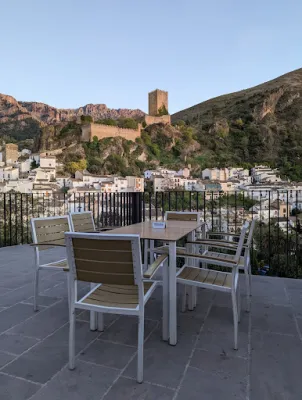
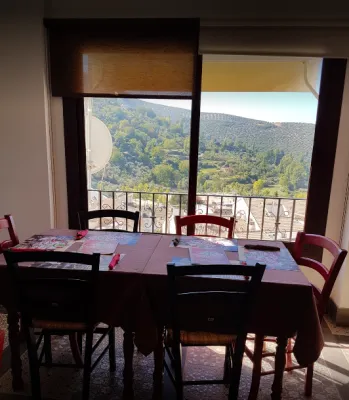
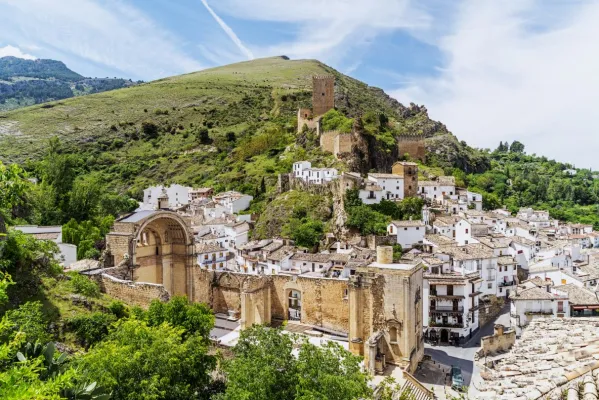
It is the main urban enclave in these serranies. Its urban centre is located in the shadow of the Hawks' rock, with the saw behind its back and an immense sea of olive trees towards the sunset.
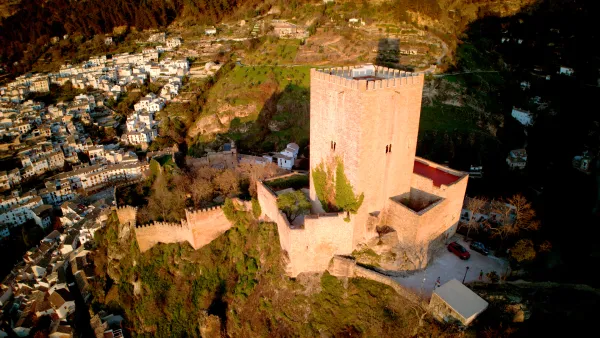
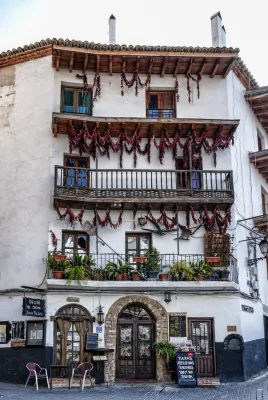
On the whole, the majestic castle of the Yedra stands out, from which you can see fantastic panoramic views of the urban warp of white houses, narrow and steep streets, with traditional houses and master houses, and a large number of monuments of outstanding artistic interest.
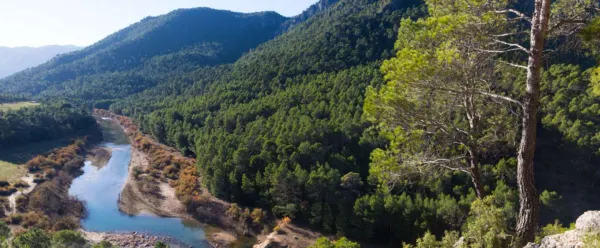
The waters of its slopes are collected by the River Cerezuelo, tributary of the Guadalquivir. A place where nature is expressed in its greatest splendor.


Is part of


Cazorla, at the gates of the Natural Park of the Sierras de Cazorla, Segura and Las Villas, is a lesson of how man and nature have forged an alliance that comes to this day. Its rich cultural heritage includes places that cannot be lost.
The castle of the Yedra, whose origins could be Muslims, perhaps from the Almohad era (12th century), although throughout the 13th, 14th and 15th centuries Christians finished giving it their definitive configuration, which explains that in many of their inner stays the Gothic style predominate. The tower of tribute houses the Museum of People's Arts and Costumbres of Alto Guadalquivir. It is a place where you can learn more about how the ancestors lived on these lands.
From its enclave, 831 meters above sea level, it is seen the town of Cazorla and its surroundings.
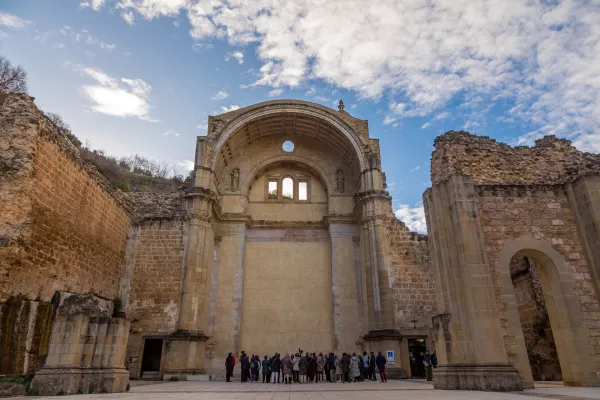
The ruins of the church of Santa Mariaa sample of the Andalusian Renaissance. It is very likely that its author was Andrés de Vandelvira, as many of its elements can be recognized in the temples of its author located in Ubeda.
It is built on the Cerezuelo River, which was forced to channel previously, and which enters a large visitable vault under the main altar, across the whole church, to follow its course under the square of Santa Maria. It is very likely that the church was never fully completed and that the serious damage caused by the terrible storm and flood of 1694 would further make it difficult to complete it. It is the only church built on the bed of a river.
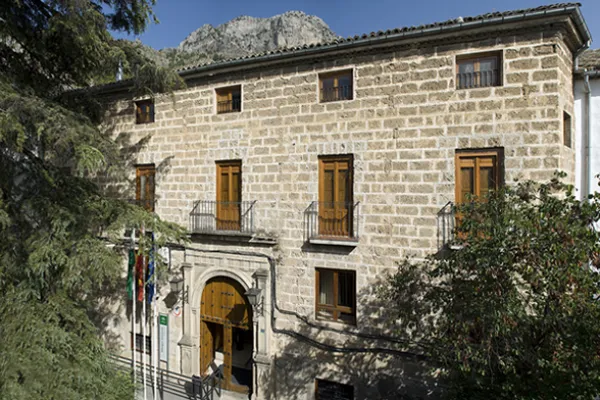
The City of Cazorla currently houses the Municipal Office of Information and Tourism and the Multipurpose Spacewhere concerts and shows are held.
The location of Cazorla in the middle of the saw, whose historic town seems to be spilled on the rock of the Hawks, certainly makes it one of the most beautiful Jienian peoples. And the best way to discover the wonders of nature in this area is to realize one of the paths that, duly signified, exist in the environment. These include the following:
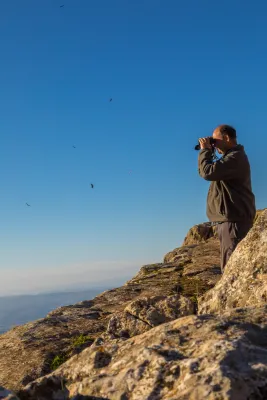
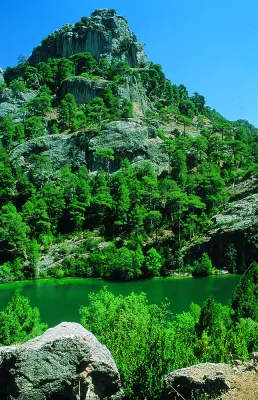
Walking these paths will be the ideal way to contemplate the maze of valleys, calares, slices, mountains and river basins, as well as the large number of rivers and streams that go along the slopes. In these walks, we will also discover the variety of Mediterranean botany of this place: pine, juniper, oak and other endemic species. Among the fauna are rapacious birds and mammals such as the rabbit, hare, deer, foxes and boars. A unique opportunity to discover the many ecosystems that exist in this environment.
The Holy Week is of unique importance in this town of Cazorla. During the days of this week they process several steps in each of the days and have been carved by well-known imagers.
The Romeria de la Virgen de la Cabeza, which takes place on the last Sunday of April, has a deep-rooted devotion among the neighbors. In preparation for the rosemary, on the Sunday of April before the rosemary, a parade of lambs decorated with colored ties is held to be offered to the Virgin and will be auctioned in the following days.
From the City Hall, numerous cultural and sports events are organized and promoted, including the following: Blues Cazorla Festival, International Theatre Festival, Festivals of the advance of Cazorla, Nocino de la Tragantía (a local theatrical association), Marathon BTT Sierra de Cazorla.
The gastronomy of the 26 municipalities that form this Natural Park of the Sierras de Cazorla, Segura and Las Villas is influenced by both Andalusian and Castile La Mancha cuisine.
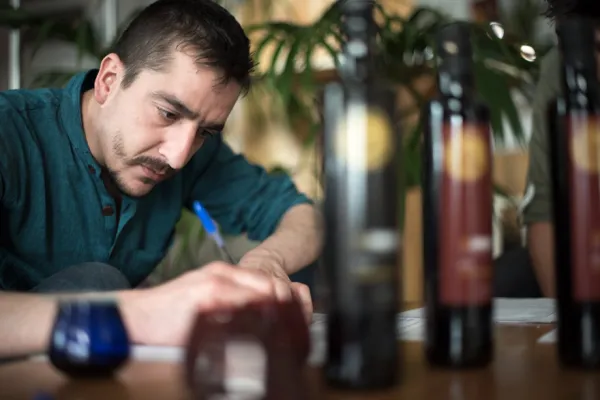
The raw materials they use are game meat, river fishing, vegetables and vegetables from their own harvest. That's right, all of it properly decorated with the oil of their olive groves.
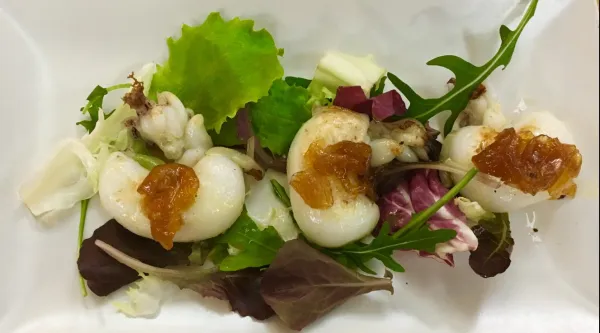
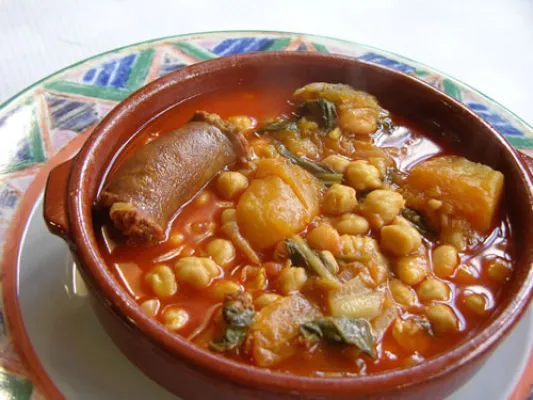
Among the most typical dishes, we will mention the following:
Around 2000 BC, on the ancient terraces of the Cerezuelo River, the first inhabitants are established.
During the romanization, the Romans settle in this region and exploit the wealth of silver and salt that existed in the area. It will be during the Muslim occupation that Cazorla, like its neighbouring localities, will be fortified by the construction of castles.
In this way the Lord of Cazorla in the Middle Ages will become a major border enclave. This shows the number of castles and fortresses that delineate the advance, created in 1231.
The Christian conquest of these territories was carried out by Mr Rodrigo Ximénez de Rada, Archbishop of Toledo, in 1235. It will be King Ferdinand III who gives in feud to the archbishopric of Toledo these territories under the name of the advance of Cazorla.
The lordship will continue until the abolition of the Lordships in the early 19th century, although in this time space there are jurisdictional conflicts between the inhabitants and the diocese of Toledo.
The Cortes de Cadiz gave him the title of City in 1813 for his participation in the War of Independence.
34
22
25
11