

Art and culture
The past that seduces you in the present
Visiting Jaén means embarking on an unforgettable adventure. Prehistoric archaeological sites, an exceptional Iberian legacy, the highest concentration of castles in Europe, and an impressive Renaissance heritage—recognized as a World Heritage Site—allow you to relive the legacy of past cultures.
Jaén holds a remarkable cultural heritage with a distinct identity, shaped by the peoples who once inhabited the region: Iberians, Romans, Muslims, Jews, and Christians all left behind an incalculable treasure trove of history, archaeology, legends, customs, and illustrious figures.
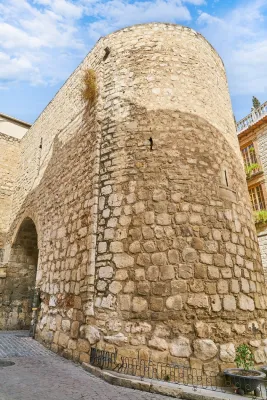
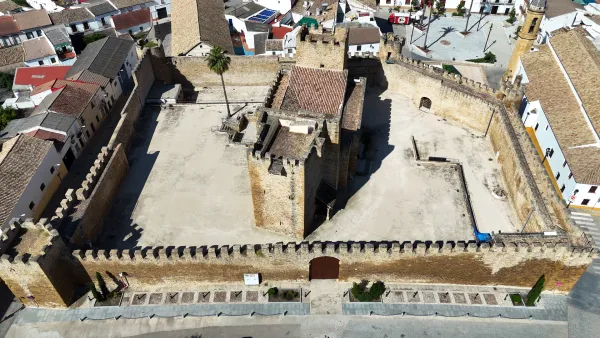
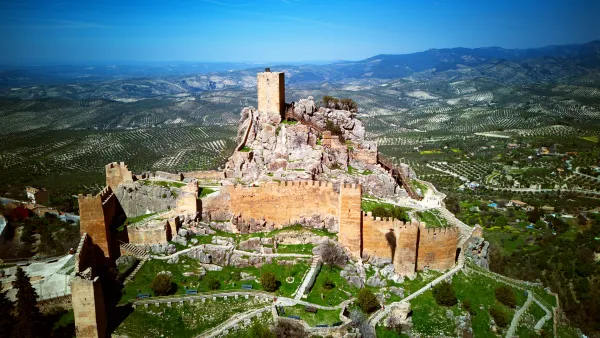
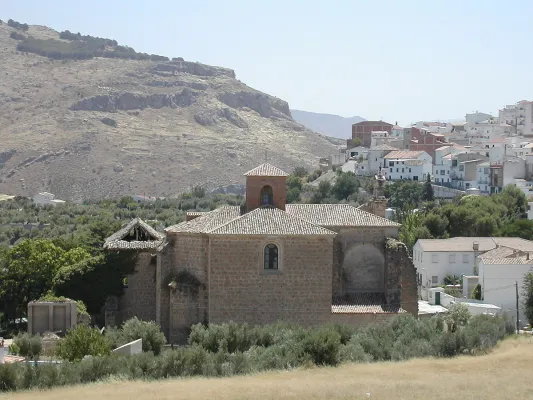
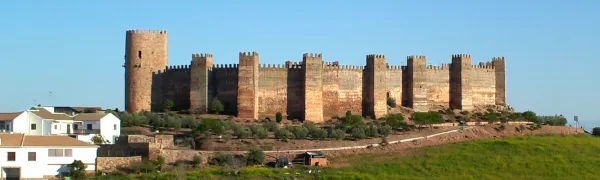
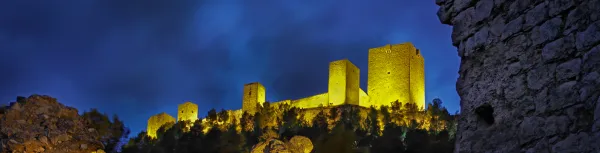
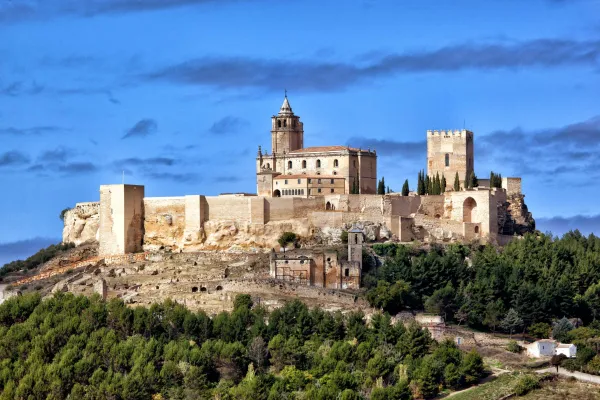
Jaén boasts six rock art sites designated as World Heritage, as well as impressive archaeological and museum collections spanning the prehistoric, Iberian, Roman, and Islamic eras. It also features a diverse array of medieval fortifications and remains, with key examples forming the Route of Castles and Battles, the Nasrid Route, and the Caliphate Route.
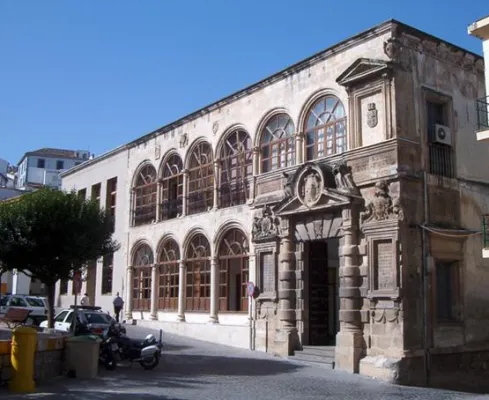
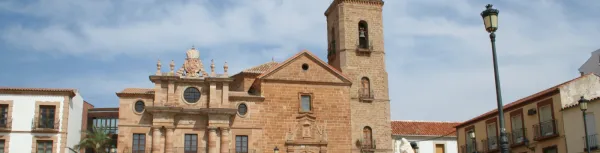
The province also possesses an impressive monumental heritage—both civil and religious—dating back to the Renaissance; the finest examples of this are the cities of Úbeda and Baeza, both declared UNESCO World Heritage Sites.
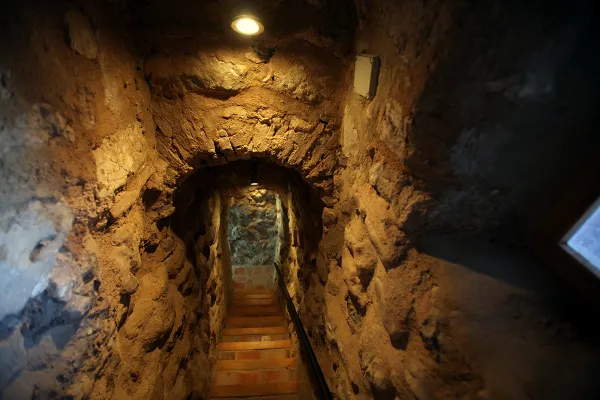
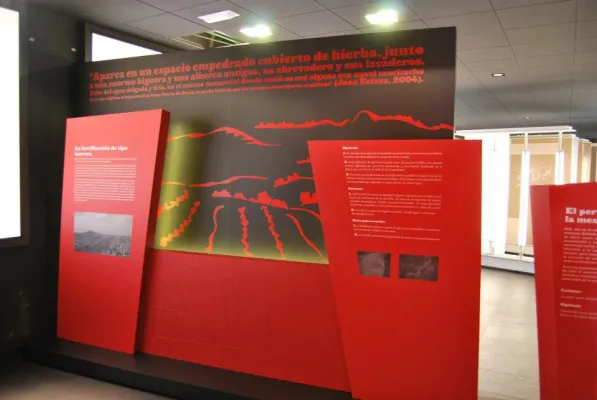
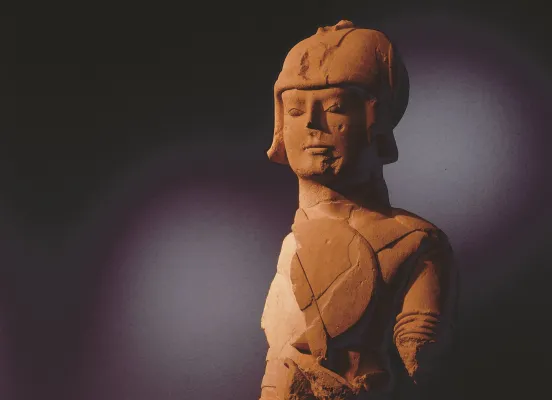
Furthermore, the province of Jaén is the cradle of Iberian culture, a land featuring imposing fortified cities, sanctuaries, necropolises, and the remains of battles that changed the course of history.
IMPRESCINDIBLES

Artesanía de Jaén
Artesanía de Jaén se estructura de manera orientativa para el visitante en distintos itinerarios artesanos.
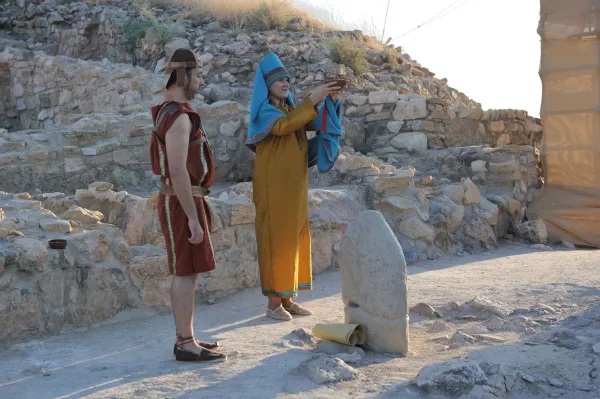
Viaje al tiempo de los íberos
Una experiencia que te transporta al origen de una civilización milenaria entre cerros y ciudades fortificadas.
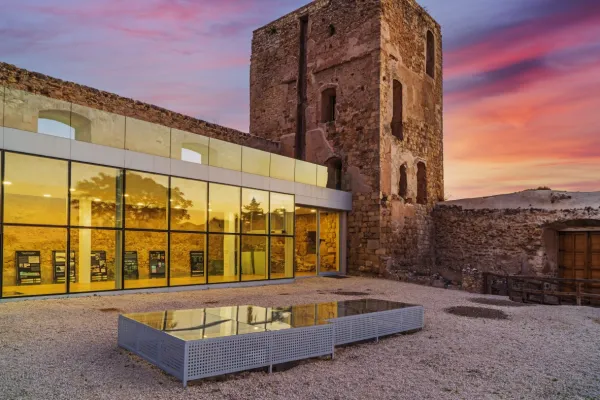
Castillos y Batallas del Reino de Jaén
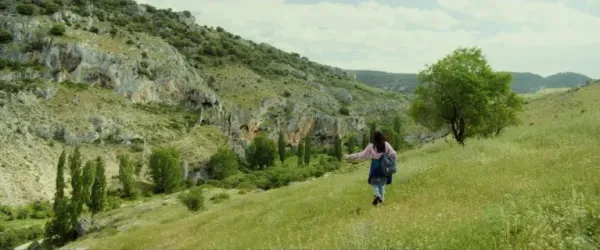
Entre olivares y horizontes abiertos, las fortalezas asoman como huellas de un tiempo en el que estas tierras fueron frontera.
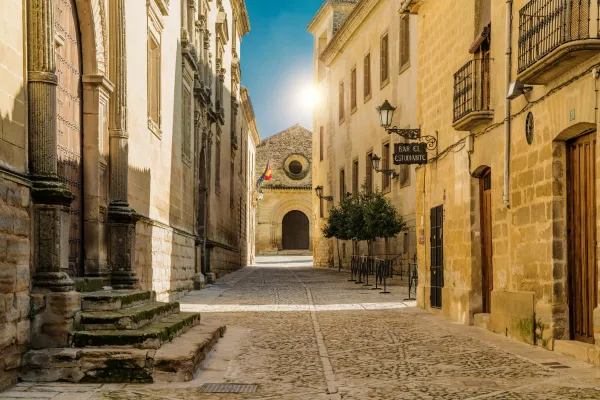
Renacimiento del Sur
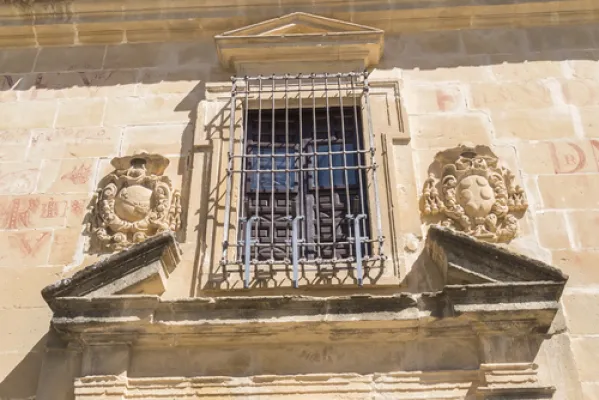
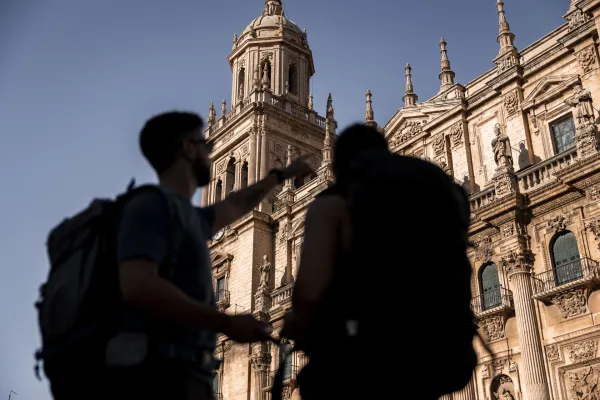
Siente cómo el Renacimiento no está en un museo sino en la calle: la luz dorada descubre relieves y fachadas que parecen contar la misma historia que escuchas al andar.

Úbeda y Baeza, Patrimonio de la Humanidad
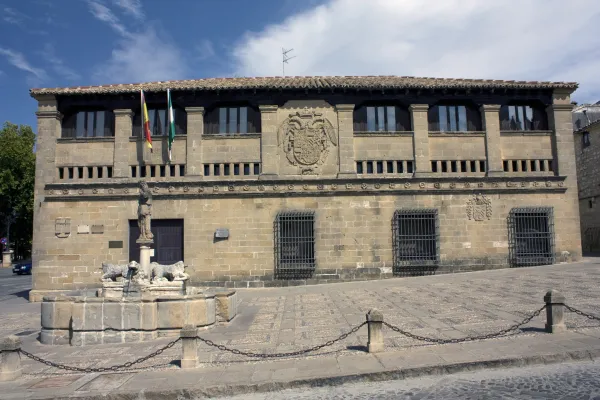
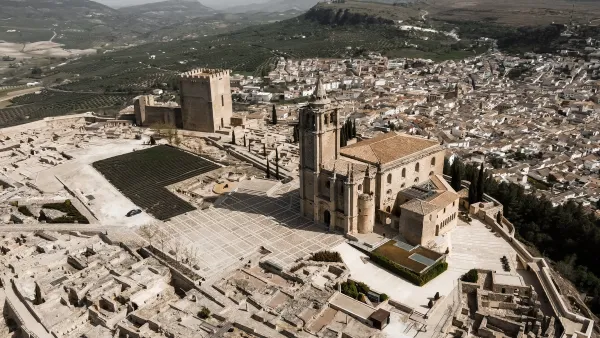
The cities of Úbeda and Baeza, declared World Heritage Sites, retain the enchantment of five centuries ago, standing as the finest examples of the Spanish Renaissance. Surrounded by olive groves with the Guadalquivir River at their feet, both cities preserve the original street layouts of times long past. Úbeda represents private architecture and civil power, while Baeza embodies public architecture and religious authority. The two most prominent figures of that era were Francisco de los Cobos—secretary to Charles I—and his architect, Andrés de Vandelvira, who designed the most magnificent monuments in both cities.
The unique character of Úbeda and Baeza is evident in their urban layouts and significant buildings.

Jaén, Capital of Paradise
The city of Jaén will surprise you. Its historical and cultural heritage is incredible, and you will surely discover how its history and people are connected through shared memory. Jaén has traditionally been a place of transit and a frontier region; ancient cultures inhabited its lands, and Muslims, Christians, and Jews even lived there in harmony for centuries. Yet Jaén’s history runs deep, stretching back to prehistoric times and an economy rooted in the land—an influence that finds its common cultural and economic thread in the olive tree. This tree represents the region's greatest wealth, making Jaén the World Capital of Olive Oil.
Among Jaén's cultural gems, the Cathedral—a key masterpiece of the Spanish Renaissance—stands out.
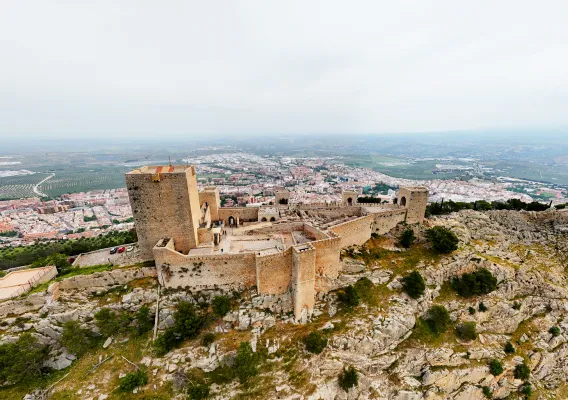
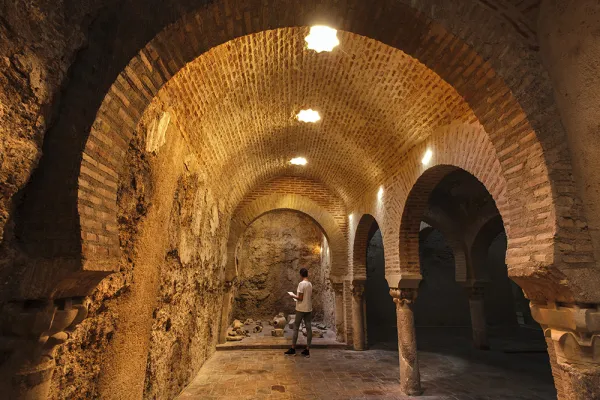
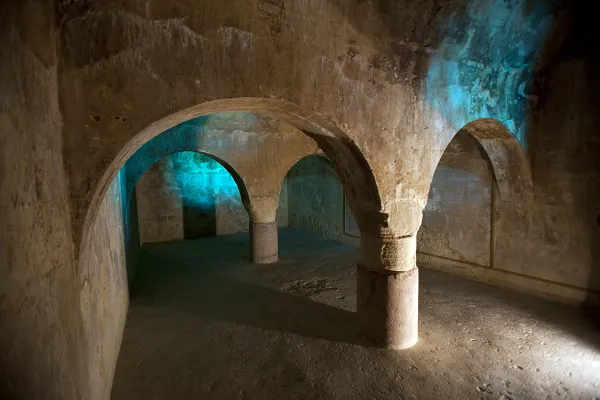
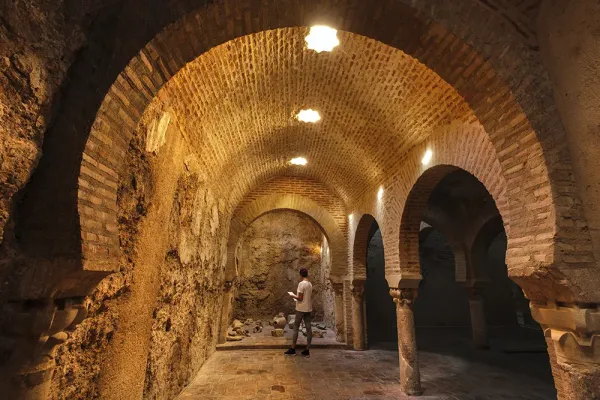
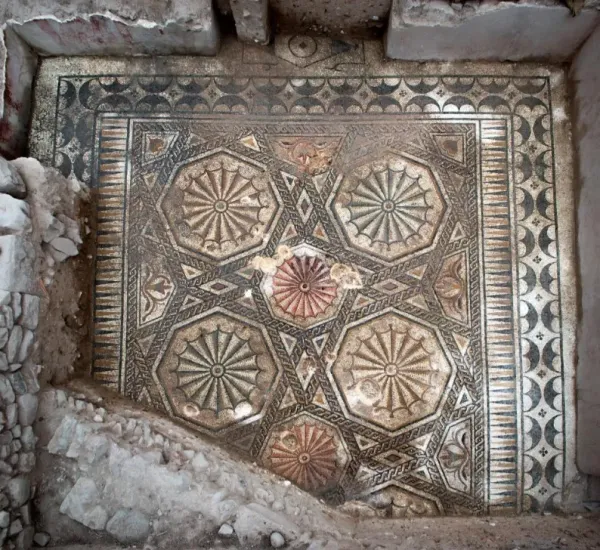
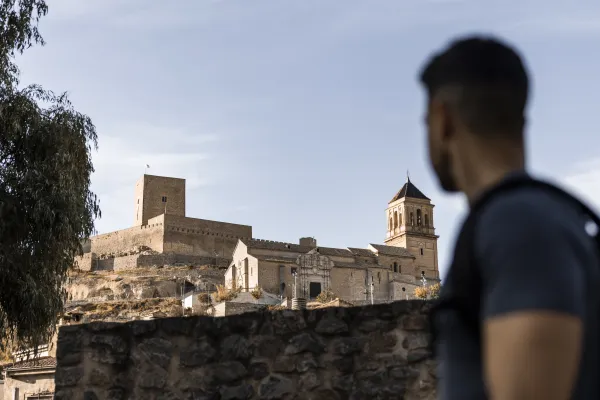
Also notable are the Arab Baths—the largest and most important in Europe—and the Provincial Museum, which houses a treasure trove of archaeological remains, particularly those documenting the history of the Iberian people. A visit to the Castle of Santa Catalina is a must; it offers a privileged vantage point from which to enjoy the unparalleled beauty of the olive-filled landscape. From Santa Catalina Hill, you can see the rising towers and bell steeples of medieval churches and convents, as well as a historic quarter filled with unforgettable spots.
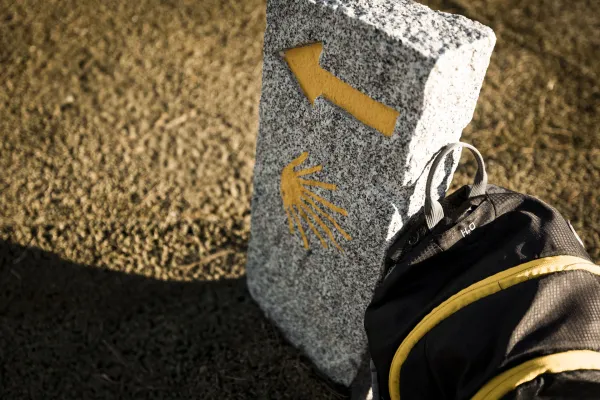
Cultural routes







Patrimonio minero
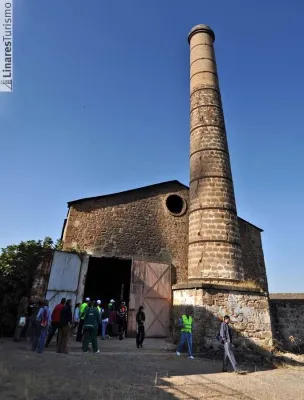
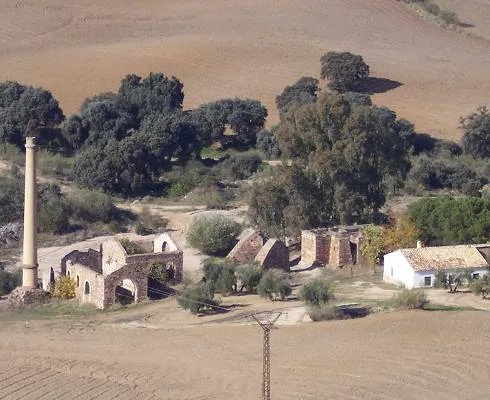
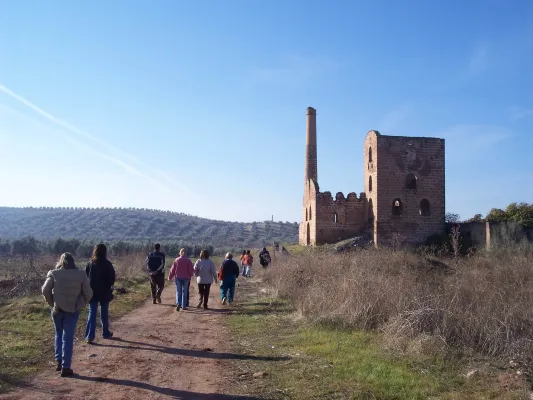
El paisaje de antiguas minas y monte mediterráneo del antiguo Distrito Minero se extiende a ocho municipios: Linares, La Carolina, Bailén, Baños de la Encina, Vilches, Guarromán, Santa Elena y Carboneros.
La actividad minera del distrito minero Linares–La Carolina se extiende a lo largo de 4.000 años, como demuestran las investigaciones arqueológicas. Su importancia fue tal que en el año 1.869 la producción de plomo superó a la de toda Inglaterra. La explotación se mantuvo activa hasta 1.991, cuando cerró la última mina en Linares por falta de rentabilidad.
Desde entonces asociaciones locales y ayuntamientos han comenzado la promoción de este interesante patrimonio. En 1999 por la singularidad, abundancia y calidad de este paisaje minero industrial, expertos en patrimonio calificaron a la zona en la prensa británica, como “el secreto mejor guardado de Europa” (Europe´s best kept secret).
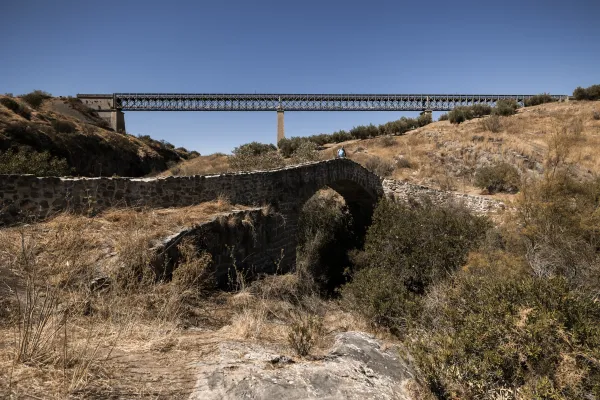
En toda la comarca minera se pueden encontrar restos de arqueología industrial de elevado interés, algunos ejemplos únicos en el mundo. Este conjunto disperso de edificios, estaciones de ferrocarril, casas de máquinas, chimeneas, cabrias y caminos, explican la historia de una de las zonas del su de Europa en las que se desarrolló la Revolución Industrial, donde convivieron comunidades inglesas, belgas, francesas y españolas. Esta combinación de historia y aprovechamiento de recursos naturales es un pretexto inmejorable para realizar visitas al paisaje de las chimeneas, al paisaje que da la bienvenida a los visitantes que llegan a Andalucía desde el norte.