Tourist Office
Por teléfono: 677 222 285
Por correo electrónico:



Mengibar is located to the north of the Jiennense capital, between the Guadalquivir, Guadalumillon and Guadalimar rivers, land covered with olive trees and cereal and fruit fields. Its location next to the E-902 or A-44 motorway (Bailén-Motril) has helped to maintain a balance between the dedication to agriculture, industry and services. When you reach Mengíbar el Guadalquivir, your flow rate is amused, and you start a quiet middle course, allowing for better use of the water. Mengibar was highlighted river port, on the banks of the Guadalquivir, for its good geographical location, especially for the transport of wood from the Sierra de Segura.
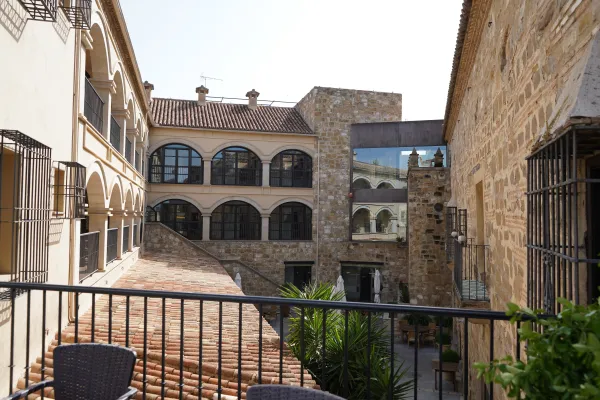
The city centre, which is located on a soft hill of fertile lands, both dry and irrigated, has in its interior buildings and monuments of interest, such as the Renaissance Church dedicated to Saint Peter the Apostle, a beautiful and slender Christian Tower, the Conistory House and the House of the Palace.
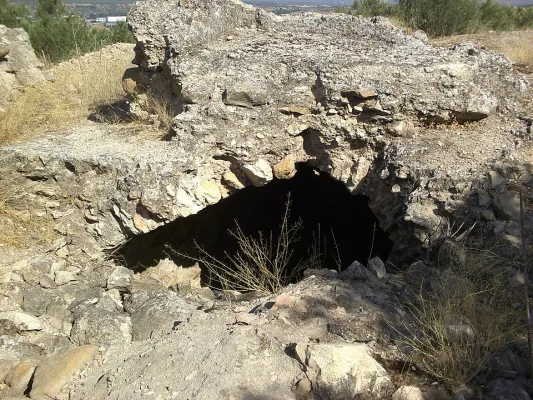
The Iberian oppidum of Iliturgi, located in Cerro La Muela, and the famous Roman city of Iliturgi, in Cerro Machiz, have been discovered nearby.
The centre of Mengibar, of irregular layout and Arab influences, has expanded in the east, west and north direction, crystallizing in a wide and rectilinean road, with apples of considerable size in the ensanches closest to the old town and with smaller apples on the periphery of the core.
Is part of


The municipal term of Mengibar is also spread between the herbaceous crops and the olive tree, with virtually all its irrigated surface, highlighting the vegas of the Guadalquivir and those of the Guadalbullion.
The dominant crops are: the olive tree, sunflower, cotton and cereals (wheat, barley and maize). The beautiful landscape of the Mengibareña countryside is interrupted to the north with Sierra Morena, and to the south with Sierra Mágina and Jaén, passing the rest between soft and undulations without great heights. This beautiful landscape is complete by the gallery forests on the banks of the three rivers that cross its term: the Guadalquivir and two of its tributaries, the Guadalbullón and the Guadalimar. In the autumn the trees of a caduca leaf paint a color brush in the landscape.
The lands of Mengibar offer the traveller various enclaves of natural interest. Among them is the Cerro Albariza, natural lookout from which magnificent views are obtained from the Guadalquivir valley or the Guadalbullón delta located next to the Cañada Real de Torreblasphcopedro, about three kilometres from the urban centre. Its abundant coastal vegetation gives it botanical interest.
The Mengibar dam on the Guadalquivir River, opened in 1916 by King Alfonso XIII, puts a color note to the landscape. The olive tree predominates, but next to the river line we find white alms, mumberas, tarais, black alms, as well as other species of bushes. The fauna is the same as the Jienese countryside: hares, rabbits, perdices, deer, linches, boars, foxes, quails... Also, they are easy to see the storks and a wide variety of prey birds. Without forgetting the fauna that dwells next to the rivers and in the vicinity of the reservoir.
In Mengibar, as in the villages of Andalusia, people look forward to popular parties because they know that they will become days of joy and fun, for both the neighbors and visitors. In addition to the Christmas, Carnival and Easter celebration, the following parties are held in Mengibar:
In the culinary culture of Mengibar are present two aspects, one is olive oil, and the other is the use of the products of its gardens that become part of the ingredients of these dishes. From its varied gastronomy, we will highlight the following:
The history of Mengibar begins to be written on the banks of the Guadalquivir River, approximately 6,000 years ago, in the Neolithic. The traces of this period correspond to the denominated settlement of the Vega Baja. The largest milestone of Iberian occupation of the municipal term of Mengibar corresponds to the oppidium of Iliturgi and the different necropolis associated with this important population core.
Until very recently it was considered that this town would have risen in the area known as Cerro Machiz or Las Torres, a place very close to the confluence of the Guadalbullion River with the Guadalquivir. Recent archaeological excavations demonstrate the exact location of the Iberian city in the site known as "Plaza de Armas del Cerro de la Muela."
This site would be besieged by Roman General Publio Cornelio Scipion, the African. Tito Livio narrated how the city was attacked, burned and massacred. In the 2nd century BC, Rome would founded a new Iliturgi in Cerró Maquiz, an enclave located on the opposite bank of the Guadalbullion River, 700 metres from the old ibero oppidum.
These remains are preserved in Mengibar from the Almohad period. In 1225, Fernando III, the Holy Conquest Mengibar, granted the land of Machiz to the Order of Santiago, leaving the Place under the jurisdiction of Jaén.
The word "MENXIBAR" first appears in the conquest of Jaén, which shows that there must have been a fortress that was occupied by Christian troops. Conquistada Jaén, the king anexiona to this city, on which it will depend until 1574, year in which Philip II, by paying 22,500 ducats, makes it Villa.
On July 16, 1808, a glorious event took place in Mengibar: the defeat of French troops, who fled to Bailén, where days later they would be defeated by General Castaños.
2
1
2
4