

Description
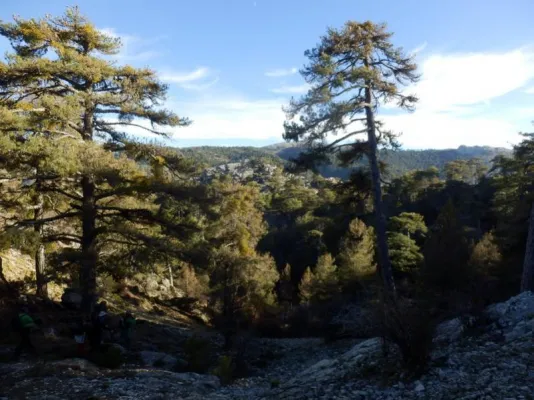
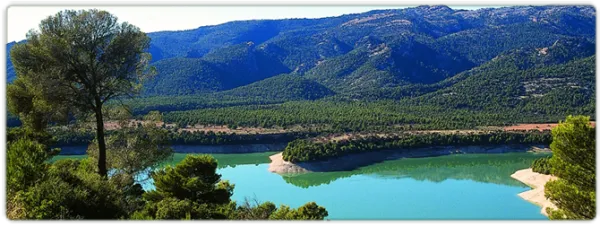
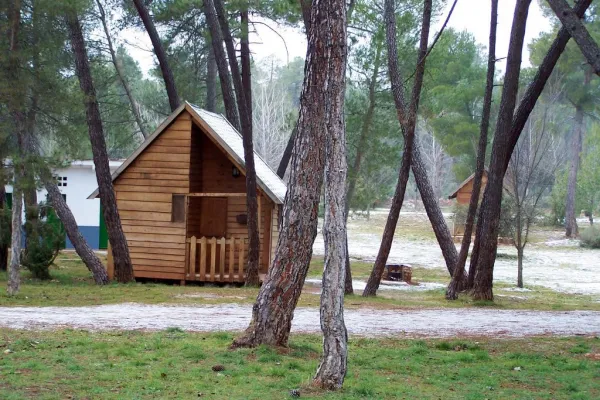
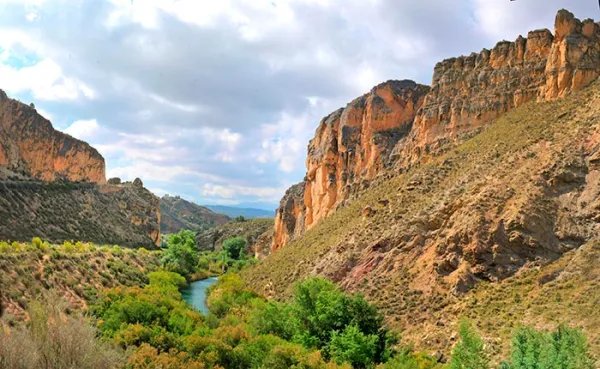
This forest is one of the botanical and landscape jewels of the Park. The plant formation we are going to describe is considered endemic to this saw, as it only exists in the high mountain of the Park. In the endemic pinar of Puerto Llano we recommend walking without haste. Most of the pine trees that form it are over 600 years old.
After walking through this pine tree and returning to the track we have accessed, if we look south, the clear days look perfectly Sierra Nevada and looking north the Gualay valley opens. The track opens through the rocky moles of the Cabañas peak and the lastras of the Cagasebo rope.
This forest is dominated by the salgarean pine (Pinus nigra salzmannii), which is sometimes accompanied by maple (Acer granatense), mustard (Sorbus aria) and whine (Quercus faginea), and in the sotoquela by rastera savines (Juniperus sabina), rake juniperus (Juniperus communis hemisphaerica), thorns (Berberis vulgaris australis), tirelles (Prunus postrata), enamubios (a), and other species (the celium (a), as well as the celium (a), and the celibelium (a), and the celium (a).
The name that has always been known in these saws to this pine is that of Salgareño. The etymology of his name is as beautiful as the pine itself; salgareño comes from sarga, a vulgar name with which several willows are known. It alludes to the fine and slender of the branches, as does the pine bear when young, slender and right. By this slender and fine figure, the ancient inhabitants of the saws baptized this pine of the high mountain of Serrana as Salgareño.
We access Puerto Llano on the track from the birth of the Guadalquivir to Pozo Alcón. Puerto Llano is the highest point of the track, where we are surrounded by a splendid pine pine pines, called salgareños in these saws.
Is part of