

Description
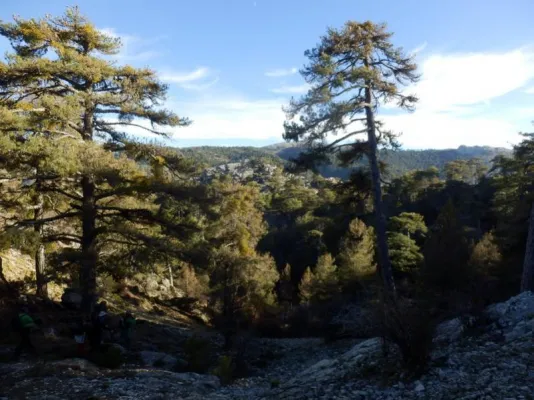
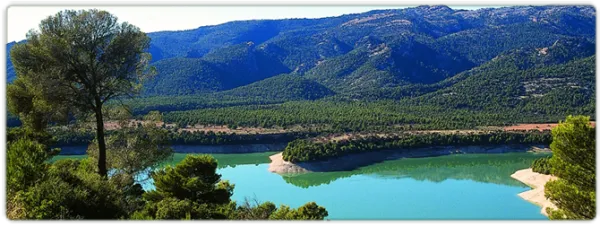
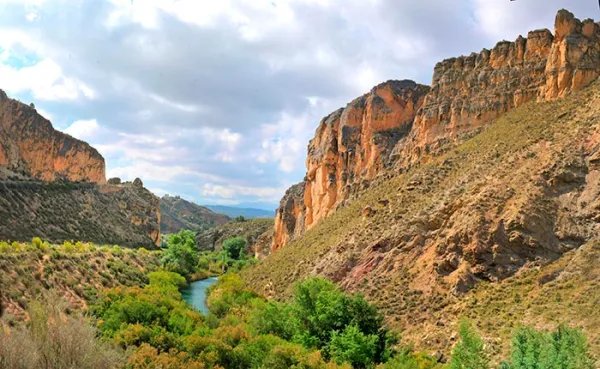
The diversity and contrast in the landscape, essential characteristics of the southern end of the Natural Park, are manifested, above all, in the composition and structure of the plant formations that cover the territory. With a short and pleasant walk through the Botanical Garden of El Hornico we will know the forest ecosystems present in the protected natural space and the plants that make up them, from the subdesert dungeons of the Guadiana Menor, to the piornal and pine trees of the high mountain of the mountain, passing through the different forests present along the length and width of its surface. In these facilities, reaching the summits from the basal area, it only costs effort and a few minutes.
The Arroyo del Vidrio divides the Garden into two, and passing through a wooden bridge with eastern air, we reach a natural area where we can know the plants integrated into their natural habitat, some of them in danger of extinction. This part has a circular path around the channel, where, in addition to vegetables, more than forty species of birds can be observed, as well as squirrels and amphibians. This ravine is the ideal framework to begin to contemplate in situ the particular contrast of the area, from a lookout located at the highest part of the tour.
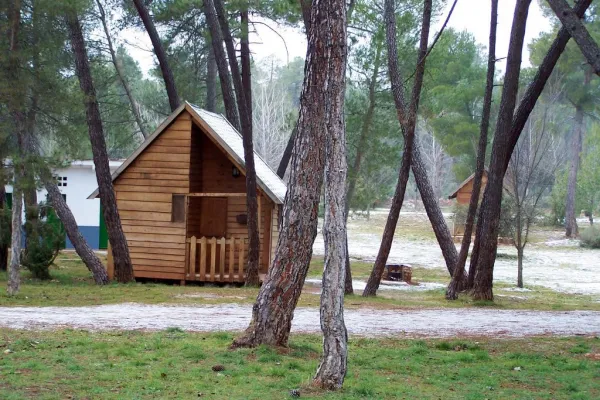
The slope of the right margin, in umbria, is occupied by a pineapple pineapple (Pinus nigra ssp. salzmanii). In front, in the dolomitic herring where the parking is located, the black pine (Pinus pinaster) is the only tree able to overcome the presence of magnesium on the ground. Next, in the rocky carasol, the carrasco pine (Pinus halepensis), the most characteristic Mediterranean pinacea of arid areas, dwells on very permeable substrates, where drought becomes extreme. The fact that the three native pine species of this Natural Park naturally coexist in such a small space, deletes the special ecological characteristics of this area.
We suggest...
- The Botanical Garden of El Hornico, marked as the Collection of Autotonous Plants in the public-use organization chart of the Natural Park, is currently managed by the municipality of Pozo Alcón and is only open to the public in times of maximum tourist influx. For an organized and scheduled visit it is best to contact the municipal tourist information point (Tfno. 953 739 005)
- Next to the botanist is the El Hornico Nature Hall, which develops environmental education activities within the garden and in its nearby environment. It is an ideal place to organize school and group activities.
The Botanical Garden of the Hornico is 9 km from Pozo Alcón and 17 km from Hinojares. From Pozo Alcón you have to take the A-326, up the Avenida de la Bolera, direction to Castril. By passing the campsite de la Bolera and the km 7, we take a detour that comes to our left and that borders the Forest House of la Bolera (it is marked as an entrance to El Hornico). On an unasphalt road, 2 km later, we take another turn to the left, after passing a bridge, which leads us to the park of the Garden a few meters later.
Is part of