History
The human presencea in the vicinity of Jódar is documented from prehistory, being the site of The Quebrades the oldest known, dated towards the third millennium a. C.
The remains of the Ibero-Roman period, following the course of the Jandulilla River, including the funeral stone found in the old Villa Xandulilla or the Sphinx del Jandulilla located in Alamus cutamong others.
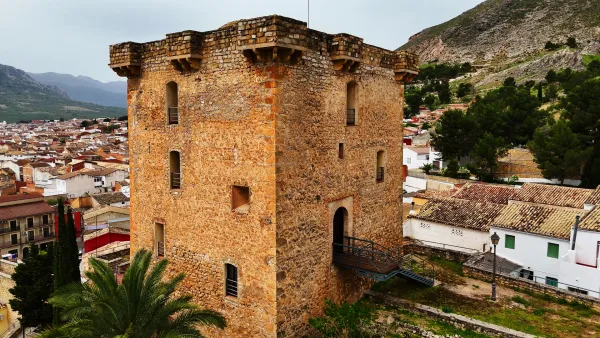
During Middle age the area remained heavily populated by Islamic settlements, with several alqueras and a castle shelter. In the 10th century it was considered an important urban core and noted oil producer.
About 1,229, the produces the Christian conquest of the city by the troops of Fernando III. From this moment on the town is growing in population and importance, so Alfonso X gives it the title of Villa Leal and the Fuero de Lorca.
During the 15th century it belonged to several owners, and the Catholic Kings created the Largest of Jodar, giving it to the Sanchez Day of Carvajal, his major guard.
The 16th century is prosperous and churches and buildings are built. The work of the spartum It also favours many of its inhabitants, on the contrary, in the following two centuries in which secular hunger, forced migrations and the terrible epidemic of the plague, which occurred in 1681, drastically reduce the population, which doubled in the 19th century and this caused problems, including the lack of housing and which many families moved to live in caves.
With the arrival of the railway and improvements in access, new migrants arrive, exceeding 10,000 inhabitants.
In 1919, Alfonso XIII, gives the villa thecity title, and to the City Council the treatment of Very impressive..