

Description
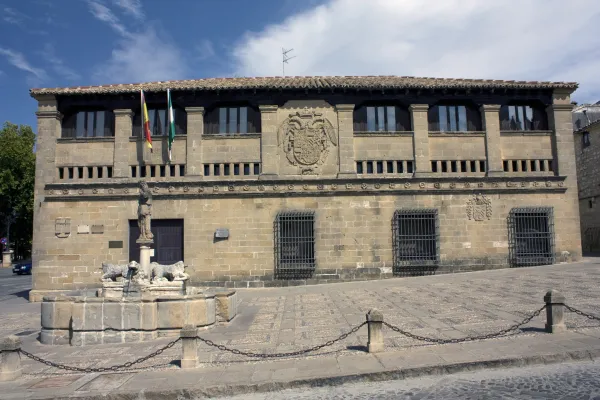
The Baeza Museum is located in the Atarazanas building in the centre of Baeza where the history of the city is reflected. This museum reports through the pieces that shows different times of human occupation on the Baeza site, distributed in two rooms on the ground floor of the headquarters of the First University Foundation of Baeza.
From its first occupation (Bronze Age 2500-100 BC): Ceramics and funerals, loom weights, tips or needles, among others.
From the Roman Age (Flavia Dynasty S. I d. C.): Packaging and ceramic and domestic like dishes, pot, bowls, dishes, glasses, etc.
From the Medieval Time, the distinction is made between Arab civilization (Almohad invasion) and Christian: Decorative elements and domestic life as remains of pliers, candles, jars, dishes, etc.
From the Modern Time, you can pick up passing doors, keys, arches, flow box, portraits, etc. From this time to highlight three very significant pieces, the first the painting of Juan de Bolaños, The old (the only preserved specimen of this author's pictorial work) that represents the scene of the Battle of the Navas de Tolosa that occurred in the vicinity of the castle of Castro Ferral. The second is the impressive tincture shown in the lobby of the Baeza Museum for oil storage. And, finally, the door known as the three keys and which in its day kept the most important documents of the city in the building of the High Concierial Houses.
They are therefore pieces that serve visitors of excellent procedure to know the life of man and brushes of the history of the city. But the main capital of the Baeza Museum is its own public, who when visiting it regains collective memory.